Web Features
Words and Images by Jason Bradley | March 2026
The U.S. Supreme Court made a quiet decision recently that, in my opinion, says something important about creativity.
They declined to hear a case that would have asked whether artwork created entirely by artificial intelligence can be copyrighted. The case involved an AI system built by computer scientist Stephen Thaler that generated an image with no human involvement. Thaler tried to register copyright for the image, and the U.S. Copyright Office said no. Lower courts agreed. When the Supreme Court declined to take the case, that ruling stayed in place.
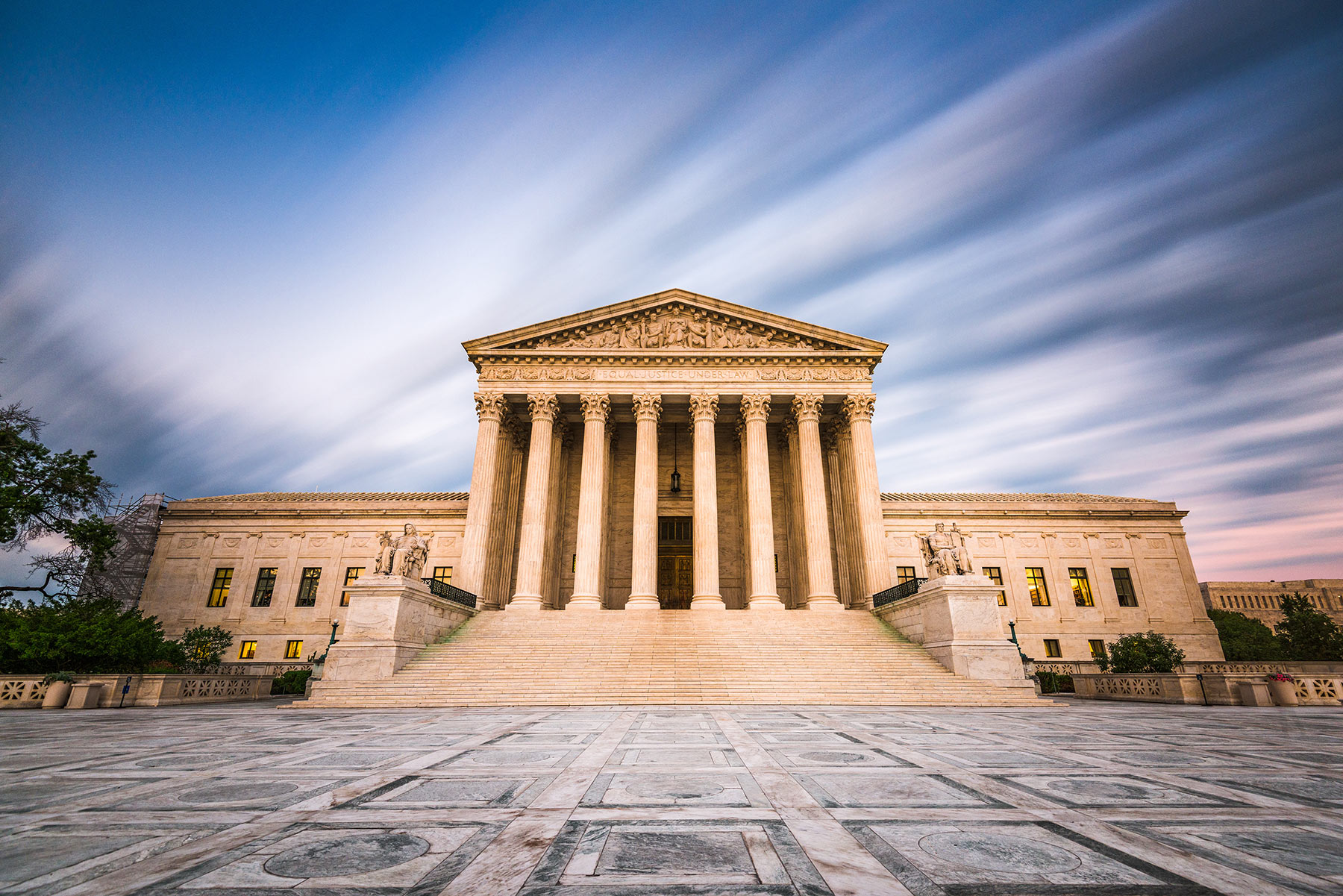
In short: under current U.S. law, a work needs a human author to receive copyright protection. We at Wild Eye consider this a huge win.
Photography has always evolved alongside technology. From the earliest cameras to modern digital sensors, photographers have always worked with machines. That said, AI tools are different. They are aggregators generating something that’s adjacent to what we upright walking, free-will, sentient beings make, but authorship should be left to us authors.
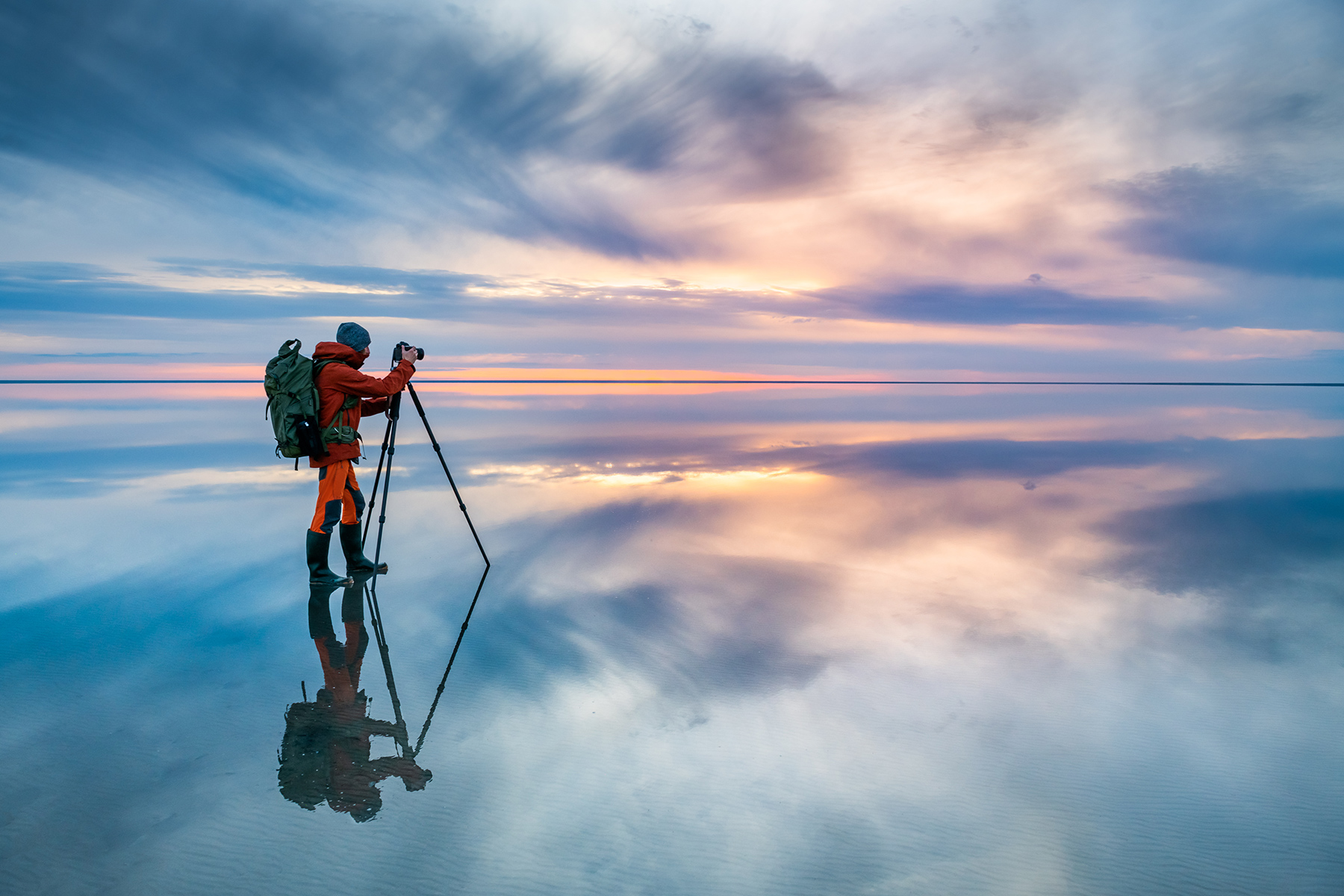
A camera doesn’t decide where to stand. A lens doesn’t choose the moment. A sensor doesn’t recognize meaning in a scene. Those choices belong to the photographer.
Without someone making creative decisions, there’s no author behind the work. Copyright law has always been built on the idea that creative works originate from people. That might sound obvious, but in the current conversation about generative imagery, it’s a pretty meaningful line to draw.
Photographers make countless decisions in the field. Where to stand. What to include. When to press the shutter. When to wait. When to walk away. What story an image should tell. Those choices are what transform a recording into a photograph.
Technology can make cameras more capable. It can make editing more efficient. It can help reduce noise, expand dynamic range, or sharpen details. Increasingly, computational tools are helping photographers do things that once required extraordinary technical effort. But the most important part of the process, the part that gives an image meaning, still comes from the person behind the camera.
Of course, this conversation is far from over. As AI tools become more integrated into creative workflows, the line between assistance and authorship will continue to evolve. The courts have drawn one boundary for now, but photographers, artists, and technologists will inevitably keep pushing on where that boundary lives.
Where do you think that line should be drawn? While technology will keep changing the tools we use, the future of photography will still depend on how humans choose to see, and what we decide is worth showing the world.
Get Annual Subscription