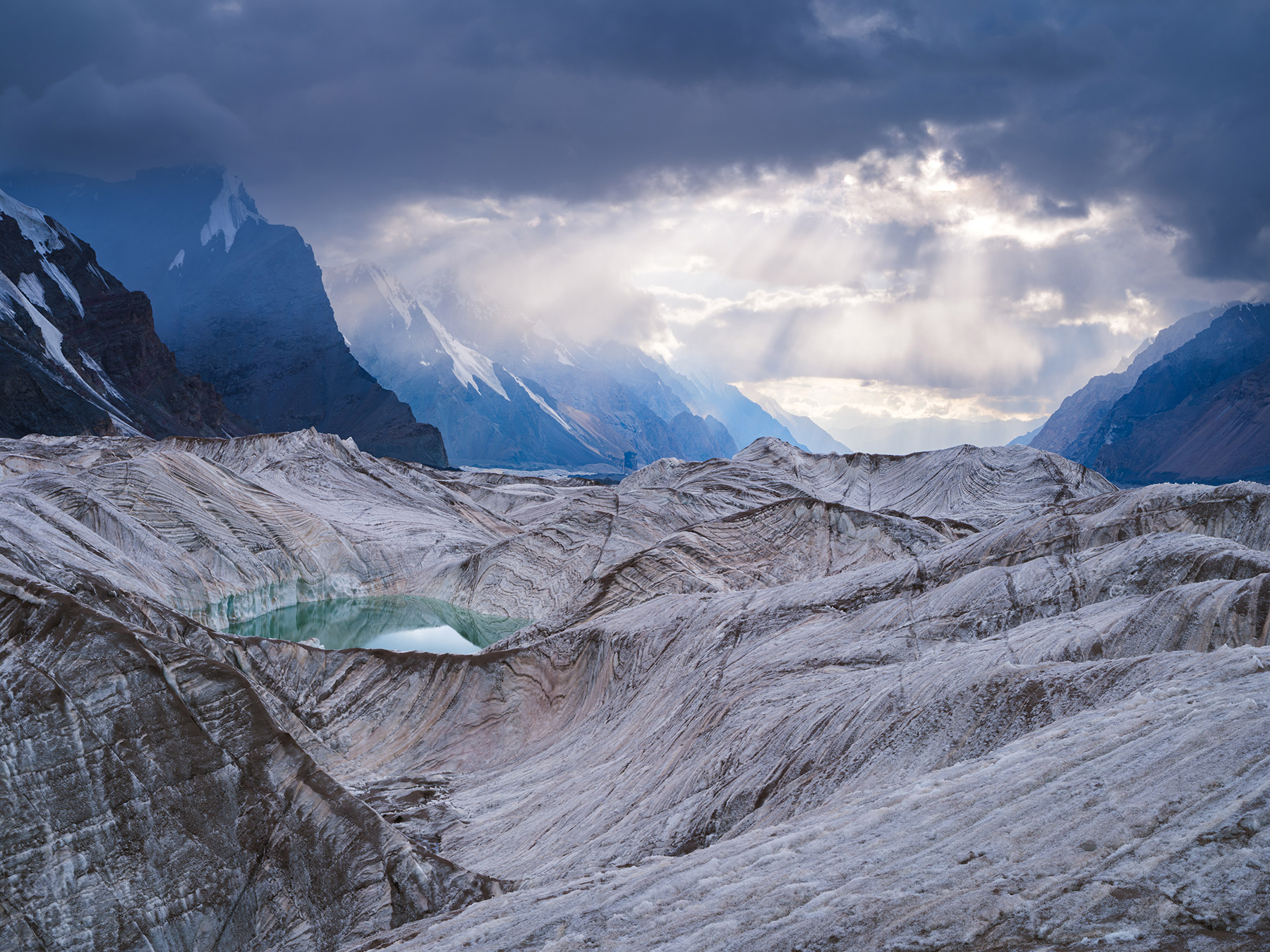
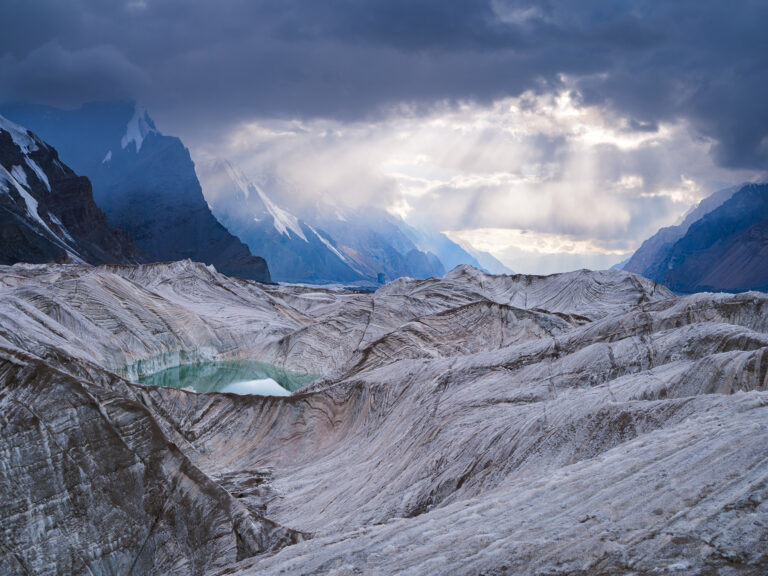
Tien Shan Mountains, Kyrgyzstan Evening on Zvezdochka Glacier. Shrinking glaciers appear dirtier because the melting process concentrates impurities that have accumulated over time and promotes the growth of dark- pigmented organisms, a phenomenon known as biological darkening. This darker surface then absorbs more solar energy, accelerating further melting. FUJIFILM GFX100S and GF FUJINON 45-100mmF4, 1/50 sec at F16, ISO 100
↑ Tien Shan Mountains, Kyrgyzstan Evening on Zvezdochka Glacier. Shrinking glaciers appear dirtier because the melting process concentrates impurities that have accumulated over time and promotes the growth of dark- pigmented organisms, a phenomenon known as biological darkening. This darker surface then absorbs more solar energy, accelerating further melting. FUJIFILM GFX100S and GF FUJINON 45-100mmF4, 1/50 sec at F16, ISO 100
How Photographers Impact Conservation Campaigns
Words and Images by Justin Black
It all could have been different. In recent years, I’ve led a small group of avid photographers on a tour through the little-visited Aysén region of Chilean Patagonia. One of the highlights involves a short walk down a trail to the dramatic waterfalls at the confluence of the beautiful Rio Baker and Rio Nef rivers.
If it weren’t for the efforts of the fellowship of the International League of Conservation Photographers (iLCP), however, these wild rivers would no longer run free. In 2010, while I was executive director of iLCP, a series of proposed dams threatened to drown these rivers and vast expanses of their inhabited valleys. The dams were intended to power destructive copper mines hundreds of miles to the North.
Working in coordination, photographers Jeff Foott, Jack Dykinga, Daniel Beltrá, Bridget Besaw, and cinematographer Edgar Boyles documented what was about to be lost. The Sin Represas campaign used the imagery we created to succeed in getting the story published in both domestic and international news media, raising the awareness of the Chilean public. By 2014, the dam project was canceled.
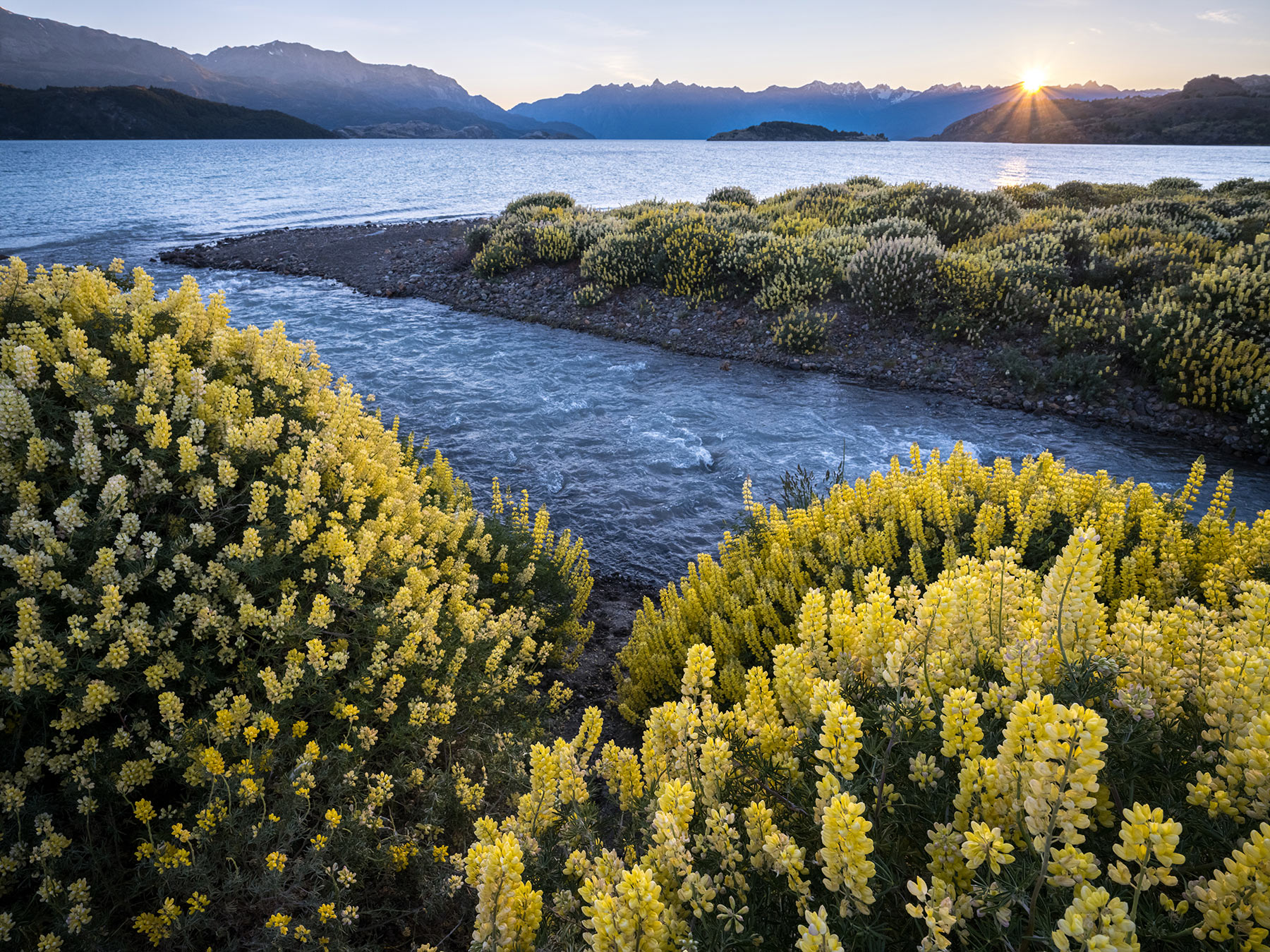
Patagonia, Chile Lupines at Lago General Carrera, Aysén Region. The HidroAysén dam project, canceled in response to efforts by iLCP and other conservation organizations, would have significantly impacted areas around Lago General Carrera by altering river hydrology, flooding habitats, and damaging unique ecosystems, threatening biodiversity like the endangered huemul deer, disrupting local communities, and harming the region’s tourism appeal by scarring the landscape with dams and massive transmission lines.FUJIFILM GFX100S and FUJINON GF23mmF4 R LM WR, 1/200 sec at F16, ISO 40
My mentor, Galen Rowell, once wrote that, “The most important thing a photograph can do is make us care.”
That caring moves us toward greater awareness and positive change in the world. Photography has always been a language of connection, enabling us to find unmistakable common ground in a shared understanding of visual information at times when words may be misunderstood, twisted by politics, or inadequate. A compelling photograph can collapse distance, time, and the space between live reality and a viewer’s understanding. Throughout my career, as a participant in many conservation projects, I’ve witnessed firsthand the difference photographers can make when they use their talents in the service of something larger than themselves.
Photographers have a unique ability to contribute meaningfully to environmental and cultural conservation. Not only can we support conservation non-governmental organizations (NGOs) in their work, but we can also help inform public will and shape political outcomes by producing and sharing imagery that elevates what’s at stake.
Here are some practical ways in which any photographer can use their skills in partnership with conservation groups to achieve conservation success.
The Power of the Visual Narrative
In conservation work, the goal is rarely to simply document what exists. Instead, the mission is to reveal the beauty and importance of threatened ecosystems as well as the relationships, threats, solutions, and lived experience of what’s at risk. Photographs become narrative kernels — starting points for deeper engagement.
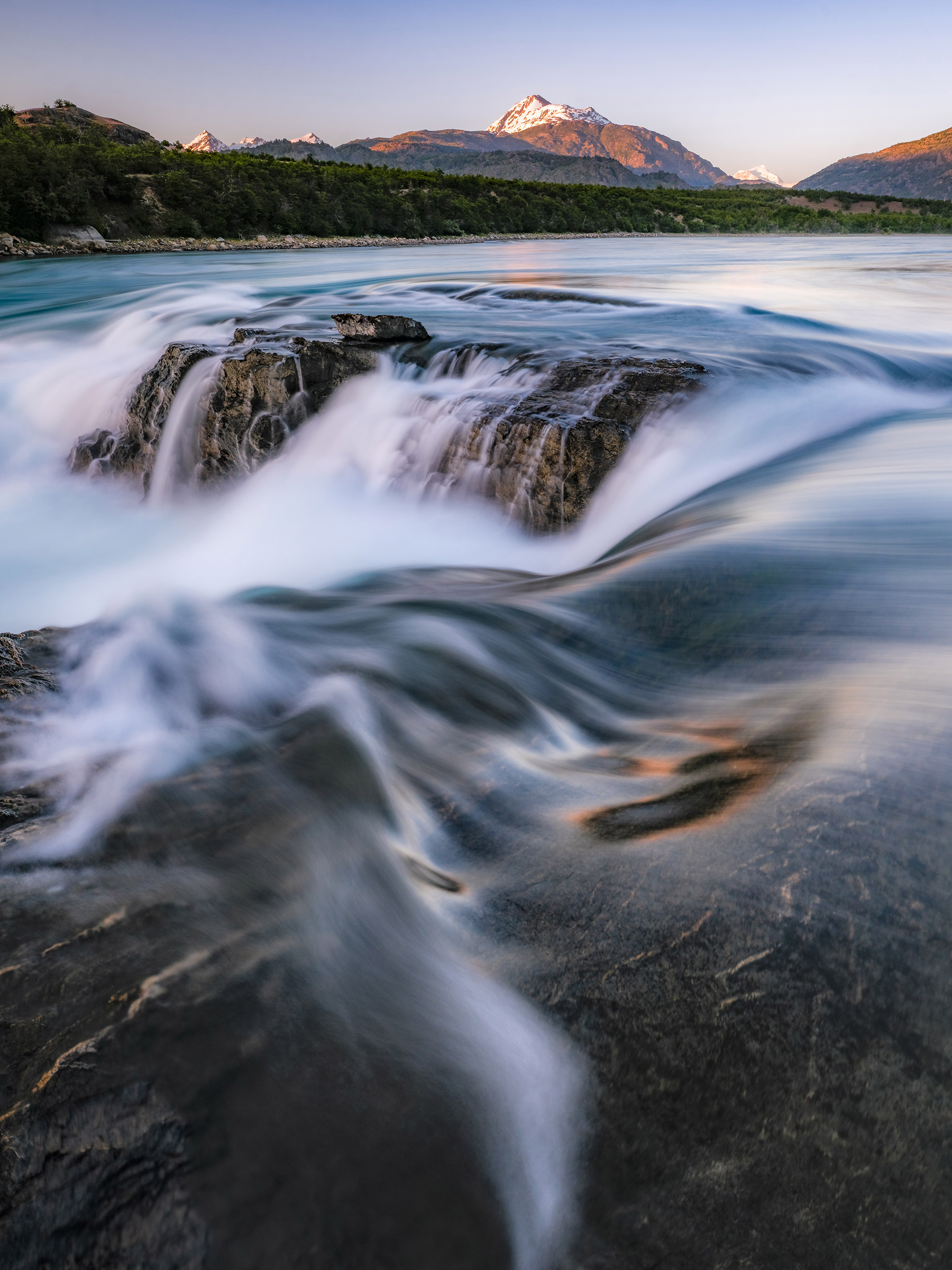
Patagonia, Chile Confluence of the Rio Baker and Rio Nef rivers in the Aysén Region, where a massive, intended dam project was stopped by the photography resulting from an iLCP RAVE.FUJIFILM GFX100S and FUJINON GF30mmF3.5 R WR, 5 sec at F18, ISO 250
During the iLCP Rapid Assessment Visual Expeditions (RAVEs), we mobilized teams of photographers to focus on conservation “hotspots” that are under imminent threat. Whether documenting the ecosystem threatened by proposed coal development in the Flathead River Valley of British Columbia and Montana or photographing biodiversity hotspots in the Yucatán Peninsula, the objective was always the same: Create a visual body of work that NGOs could use immediately to raise visibility and awareness, strengthen campaigns, influence policymakers, and generate public pressure.
The lesson from these efforts is simple: Visual storytelling accelerates positive conservation outcomes. Photography can help define a campaign, illuminate threats, and frame both the problem and the path forward.
Why NGOs Need Photographers
Most conservation NGOs operate under perpetual resource constraints. Staff scientists and campaign managers are often stretched thin and yet are asked to provide their own visual assets for use in communications campaigns. They may lack the skills or resources to create high-caliber visual content on tight deadlines.
This creates an opportunity for photographers. NGOs need dependable visual partners — people who can produce quality images that also align with the messaging needs of the campaign. Just as important, NGOs need storytellers who can frame conservation issues in a way that resonates with broader audiences. While a scientist’s report analyzes the data that matters, a photograph can make scientific findings more immediately meaningful to an unlikely audience.
When experienced conservation photographers provide support through commissioned field assignments or the use of existing stock photography, they magnify the reach and impact of the organizations fighting for environmental and cultural protection by giving the issues “a face.”
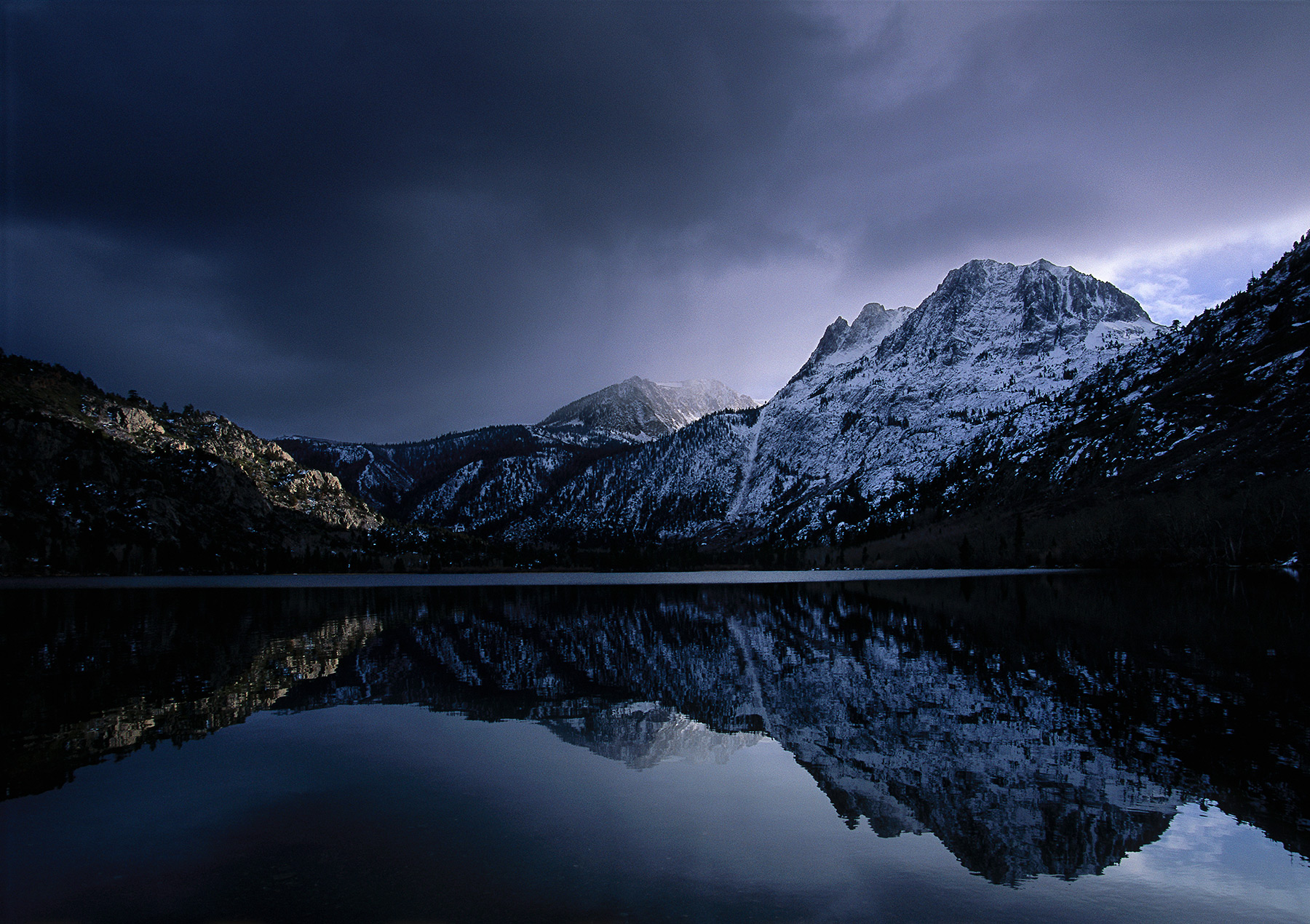
Eastern Sierra, California Clearing storm over Carson Peak and Silver Lake at June Lake Loop. In 2004, Justin took photographs like this one to Washington, DC, to lobby Congress in support of a proposed expansion of designated wilderness in the Sierra Nevada and White Mountains, which was signed into law by President Obama with the 2009 Omnibus Public Land Management Act.FUJIFILM Velvia 50
In many cases, however, NGOs believe that professional photographers who are passionate about conservation should provide their images and expertise at no cost. But just as NGO staff are paid, so should the photographers who go out into the field to tell conservation stories in a way that delivers tremendous value to the initiative. The trick is to convince conservation NGOs to set aside emergency communications funds so they’re able to commission or license photography in a timely manner to support campaigns raising awareness about pressing threats.
Of course, amateur photographers can play a role in conservation as well, and it’s perhaps more appropriate for them to donate the use of their work in campaigns that they wish to support.
Finding the Right NGO Partner
Success in conservation photography hinges on alignment — between your values as a photographer and the mission of the organization you want to support.
You might begin by asking yourself:
What places or issues are most important to me and move me most deeply?
Where do I already have connections, lived experience, or existing relevant photography?
Which conservation organizations are already actively working there?
For example, much of my work has centered on landscapes and wildlife in the American West, Latin America, Central Asia, the Arctic, and Antarctica. Those connections naturally led me to partnerships with iLCP, The Wilderness Society, Conservation International, WWF, and small international NGOs working on jaguar corridors in the Pantanal and puma conservation in Patagonia.
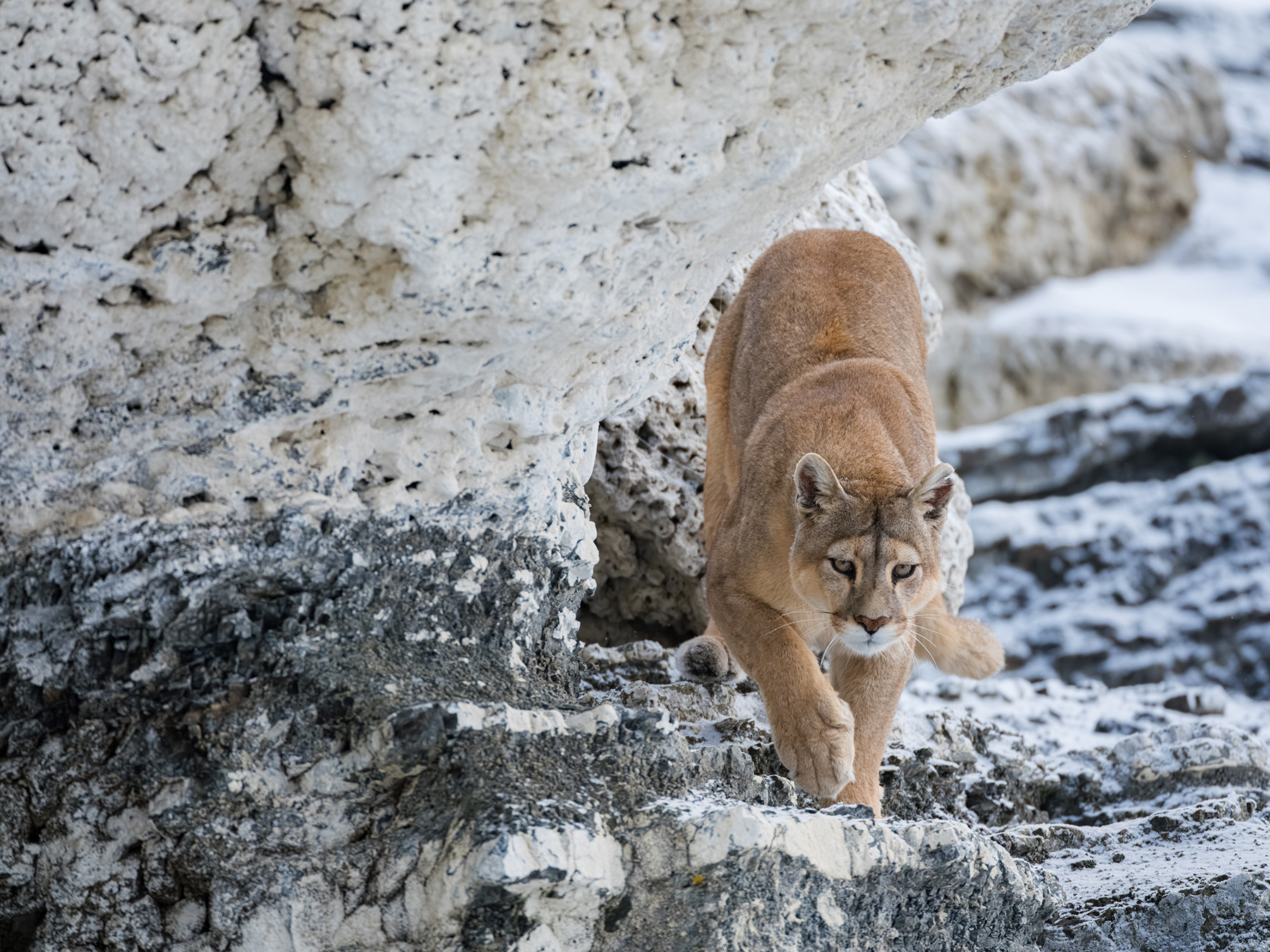
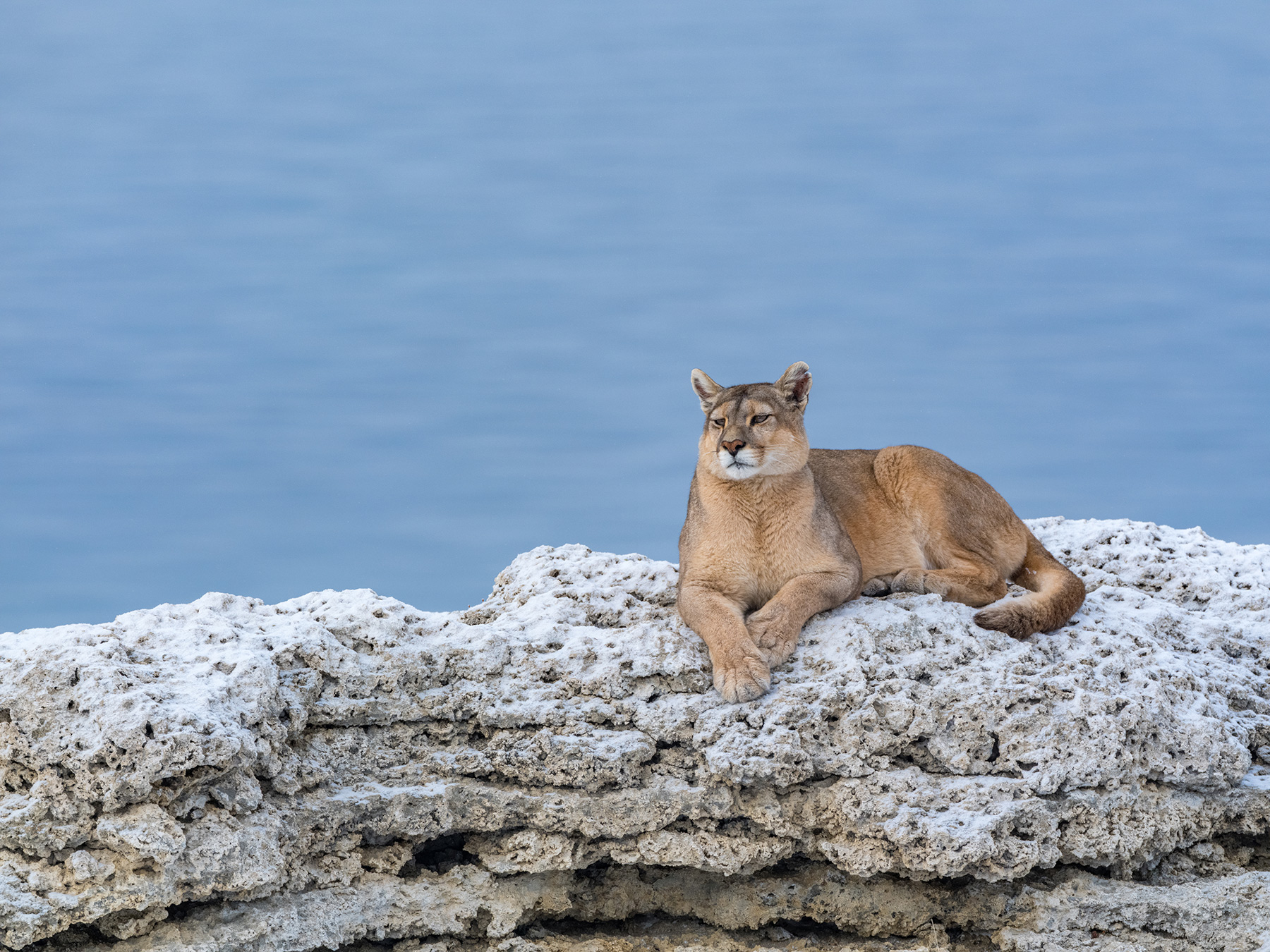
Patagonia, Chile Wild puma on a private ranch adjacent to Torres del Paine National Park. Puma conservation was revolutionized in Chile through the introduction of a pioneering model that pivots from traditional sheep ranching to eco-tourism and research, transforming the puma from a livestock threat into an economic asset. Strict protocols for responsible puma tracking and collaboration with scientists set a global benchmark for conservation through tourism.FUJIFILM GFX100 II and FUJINON GF500MMF5.6 R LM OIS WR with 1.4x Teleconverter, 1/1600 sec at F8, ISO 2500
I’m often asked, “But what can I do?” by amateur photographers. You can begin with your local watersheds, regional land trusts, tribal cultural organizations, or park lands. From grassroots community groups to international NGOs, every level of advocacy benefits from stronger visual storytelling. To get started, reach out respectfully to form a relationship. Share a carefully selected portfolio tailored to the issues that matter to the NGO. Be clear about what you can offer, hope to contribute, and expect in return. Authentic, long-term partnerships often emerge from simple beginnings.
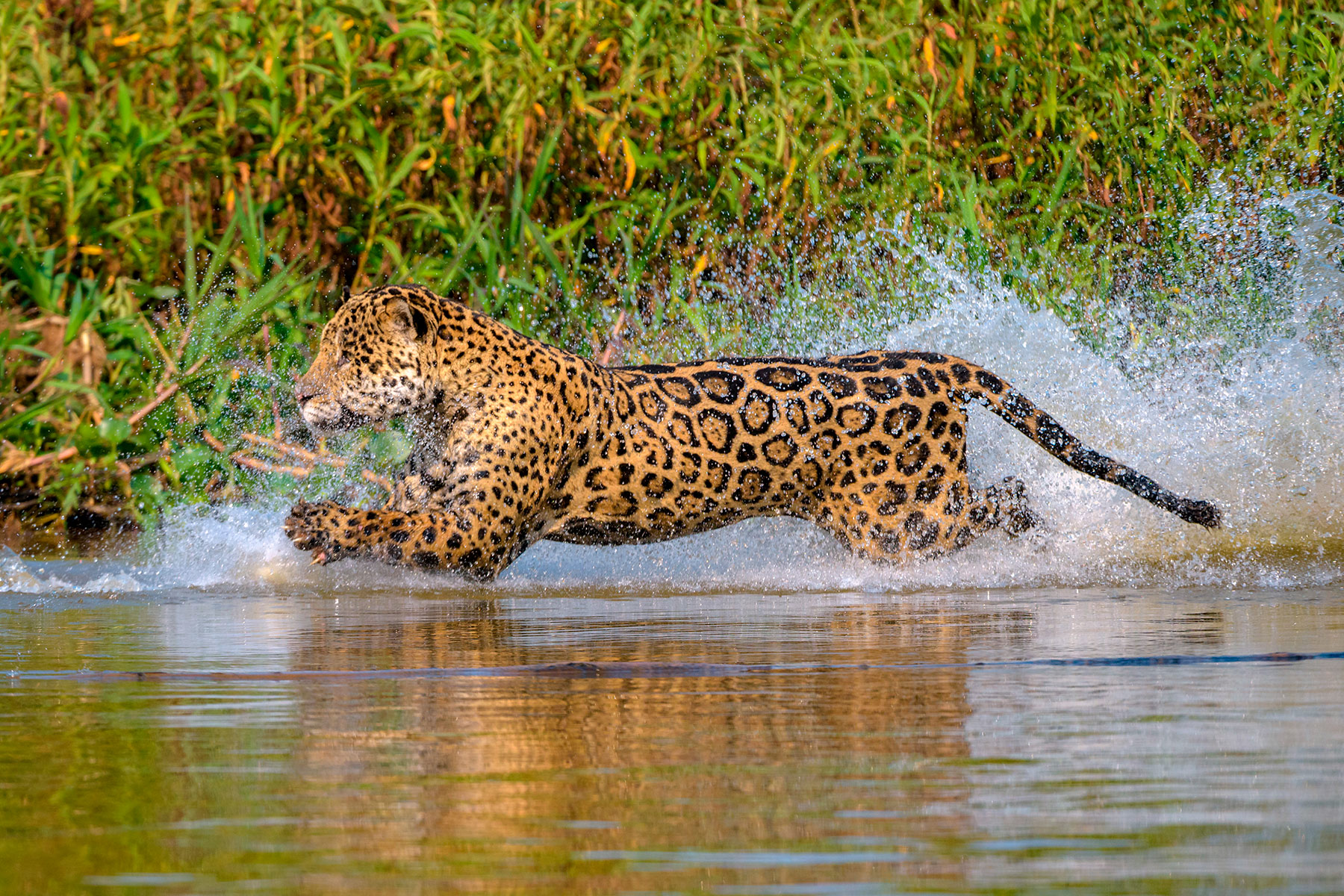
Pantanal, Mato Grosso, Brazil A jaguar leaps in an attempt to catch a yacare caiman on the Cuiabá River. Many decades of habituation to sport fishermen in boats on the inland river delta of the Pantanal has opened the door to an incredible photography tourism opportunity. This in turn has reduced the persecution of jaguars and has indirectly improved local fish populations as fishermen face greater scrutiny of illegal fishing practices due to the presence of jaguar tourists on the rivers.
There’s no single blueprint for how a photographer should support a conservation campaign. Instead, think of a spectrum of engagement opportunities. Reach out to relevant NGOs and offer a selection of images they can use for reports, web content, press kits, or campaigns. Establish clear usage agreements — whether gratis, discounted, or licensed at market rates, but treat the interaction as a relationship-building step.
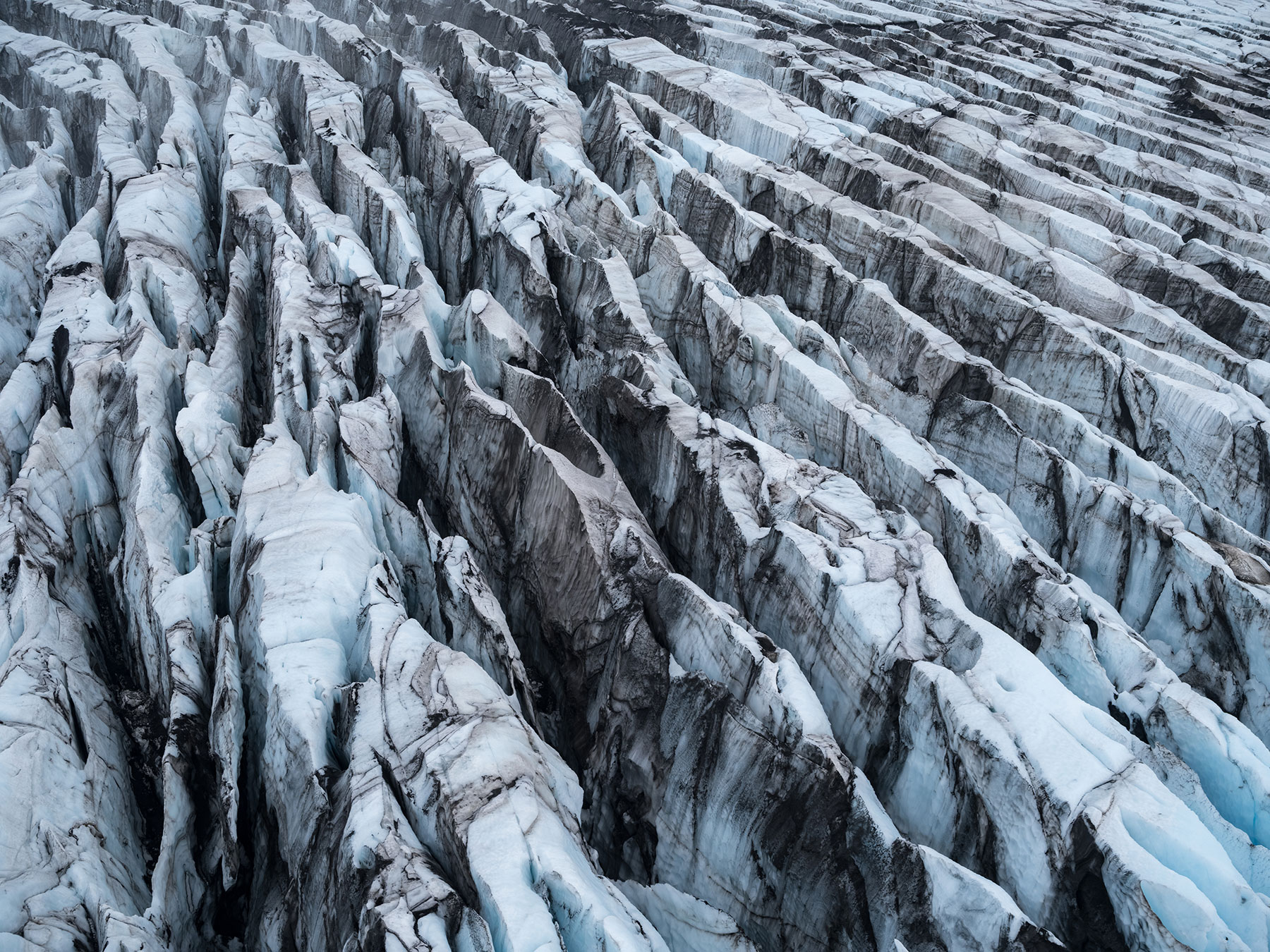
Katla Volcano, Iceland Aerial view of heavily crevassed glacier descending from icecap. Over the last century, Iceland’s glaciers have lost substantial volume, with studies indicating a loss of around 540 gigatons of ice between roughly 1890 and 2019, with nearly half of this loss occurring just since the mid-1990s due to accelerated warming.FUJIFILM GFX100S AND FUJINON GF45-100mmF4 R LM OIS WR, 1/640 sec at F5.6, ISO 1600
Create Targeted New Work
This is where conservation photography becomes most impactful. Work with campaign staff to identify exactly what visuals they need, such as:
Images of a particular species under pressure.
Documentation of threats by mining, drilling, damming, logging, or other resource extraction sites.
Portraits of local community members, Indigenous leaders, conservationists or scientists.
Before/after comparisons or photo evidence of environmental damage.
Participate in Visual Expeditions
Participate in Visual Expeditions
The iLCP’s RAVE model remains one of the clearest examples of photographic collaboration that’s accelerating conservation outcomes.
During the Flathead RAVE, various photographers coordinated to create a comprehensive visual record of the landscapes and species threatened by extractive development. That imagery was rapidly fed into NGO campaigns and eventually contributed toward transnational agreements between the United States and Canada that protected the Flathead River watershed on both sides of the border. A high conservation outcome influenced by photos.
Provide Multimedia Skills
Campaigns increasingly rely on short videos, drone footage, time- lapse sequences, and motion interviews. If you have multimedia capabilities, you can fill an enormous need. Many conservation organizations struggle to produce high-impact slideshows or short video pieces that can compete in a crowded digital landscape.
A single 60 to 90-second video (consisting of video clips, still photos, or both) with narration or music in the background can sometimes move public sentiment more profoundly than a gallery of a hundred still photographs on its own.
Offer Workshops, Training, or Mentorship
Photography skills can be a powerful tool for communities working to protect their own landscapes. Consider offering to train local NGO staff, students, or community members in basic photography, editing, or storytelling. Empower others to participate directly in their own campaign.
Crafting Images That Help Win Campaigns
Conservation imagery requires more than technical excellence. It requires strategic thinking. Here are some principles I’ve learned through work on campaigns such as the Chesapeake RAVE, the Jaguars of the Pantanal project, and the effort to expand wilderness protections in the Sierra Nevada and White Mountains.
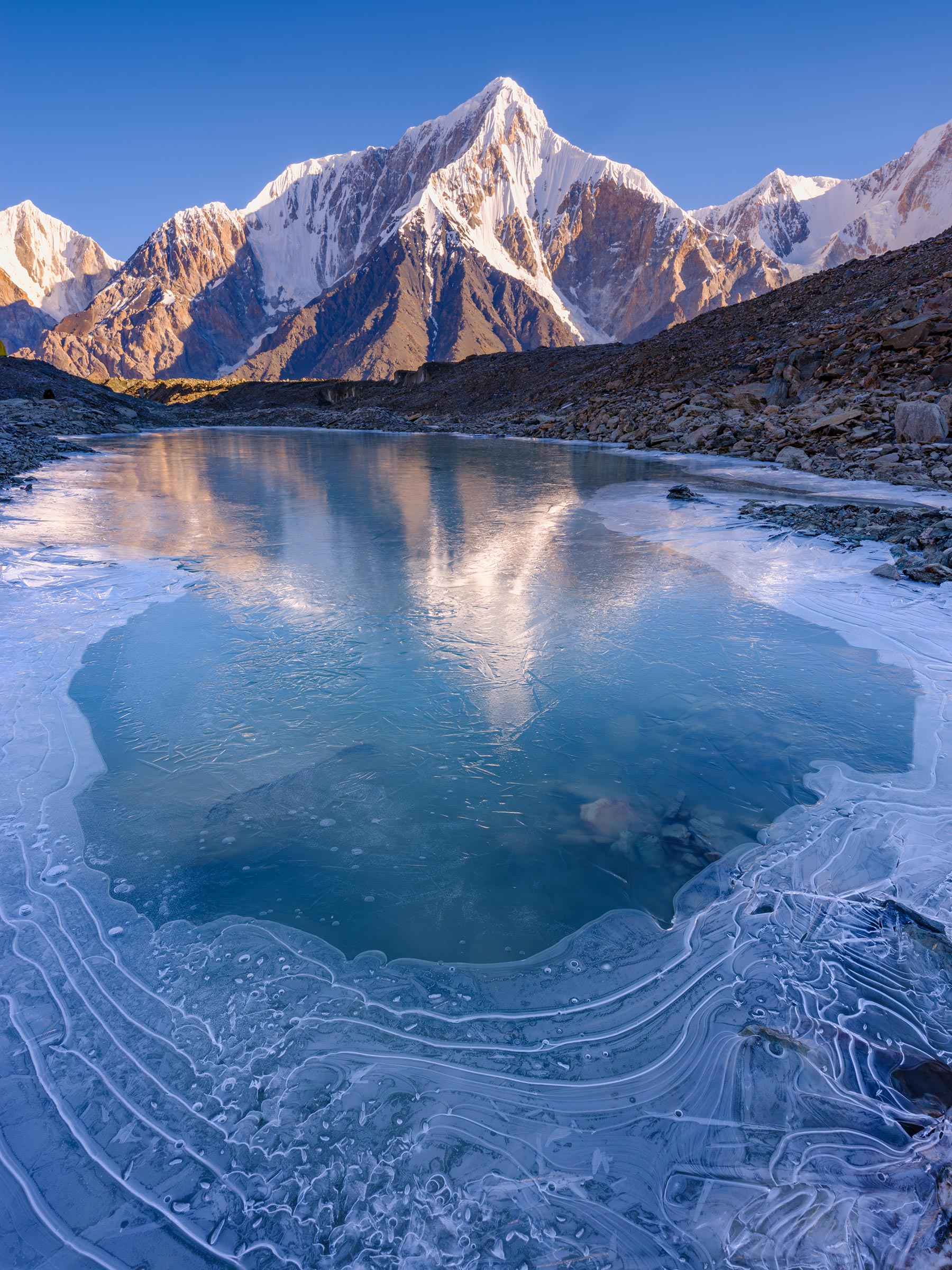
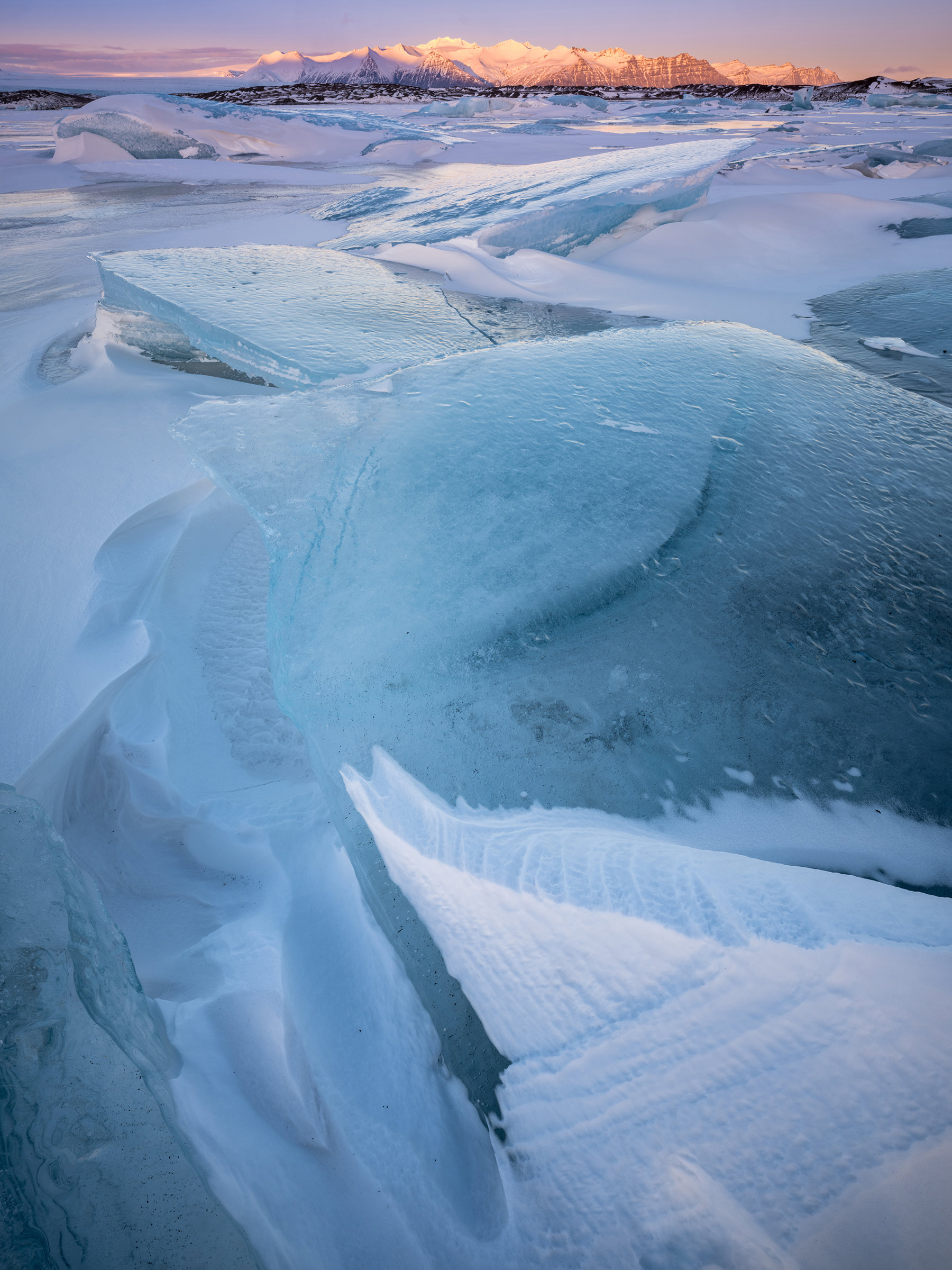
Tien Shan Mountains, Kyrgyzstan Peak Gorkiy (19,720 feet) and a refrozen meltwater pool on the medial moraine between the Zvezdochka and Enylchek Glaciers. Often called “Asia’s Water Towers,” the glaciers of the Tien Shan, Himalaya, and Pamir mountain ranges provide vital freshwater for drinking, agriculture, and hydropower to well over a billion people across Asia.FUJIFILM GFX50S and FUJINON GF23mmF4 R LM WR, 1/60 sec at F22, ISO 100Fjallsárlón, Iceland Ice pressure ridge in winter at the iceberg lagoon beneath Fjallsjökull Glacier. Rising global temperatures are causing the Fjallsjökull Glacier to retreat rapidly. The Fjallsárlón proglacial lake has expanded significantly in recent decades and is projected to more than double in surface area and triple in volume in the future.FUJIFILM GFX100S and FUJINON GF23mmF4 R LM WR, 1/5 sec at F22, ISO 100
Show What’s at Stake
People can’t care about a problem they can’t see or imagine. Whether the threat is a proposed mine, expanding agricultural frontier, declining snowpack, or vanishing species, try to reveal the forces driving change.
Photograph the tension between use and protection: roads creeping into habitat, seismic testing scars, smoke from slash-and-burn agriculture, or human-wildlife interface zones.
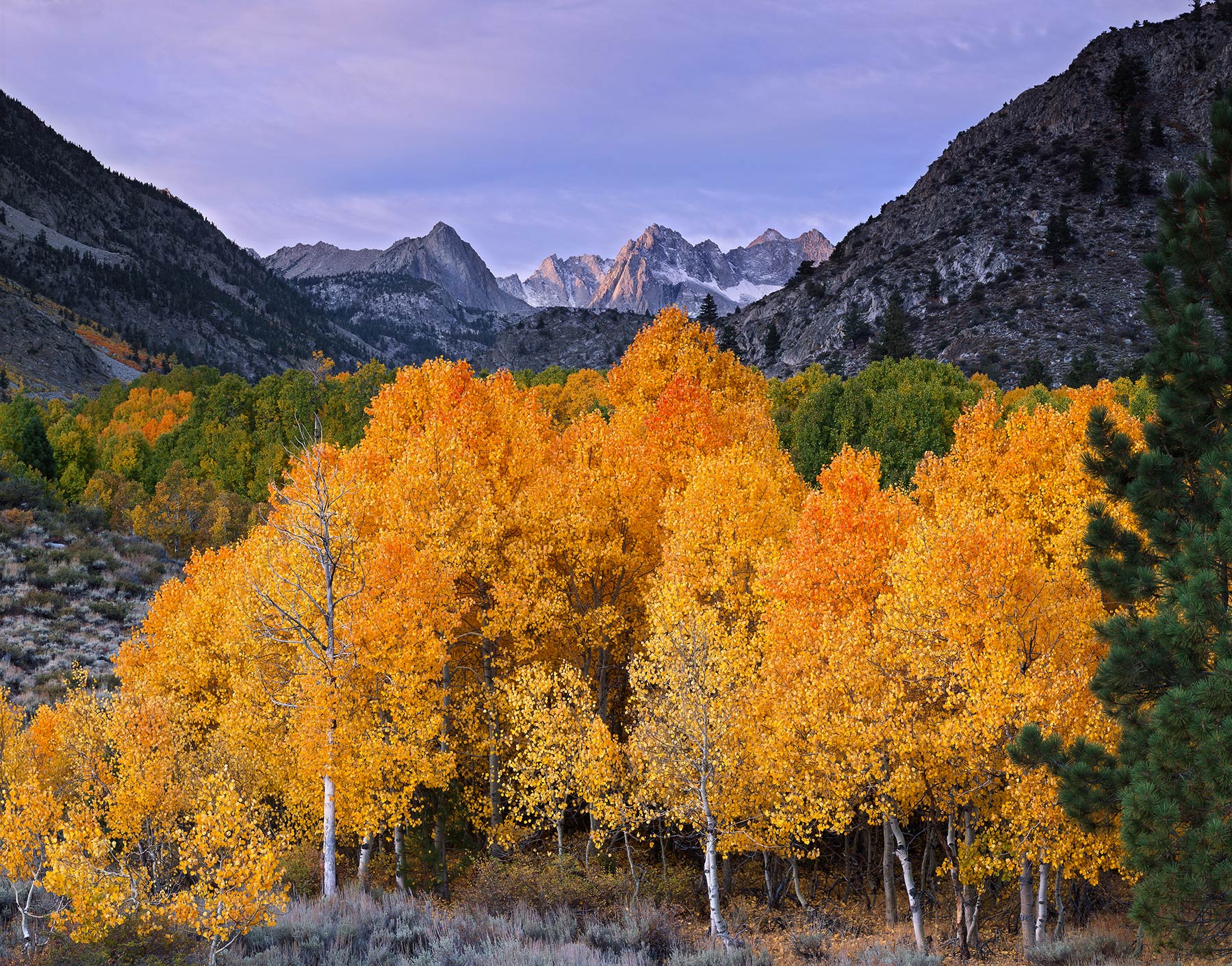
Eastern Sierra, California Autumn morning at Aspendell in Bishop Canyon. Picture Peak is visible on the sunlit skyline. As a result of a campaign by the Wilderness Society, to which Justin contributed photography and in- person lobbying of members of Congress, the designated wilderness boundary was expanded extensively in his beloved Eastern Sierra.FUJIFILM Velvia 50
Balance images of threats with images of beauty and value: pristine rivers, charismatic wildlife, sacred cultural sites, healthy forests, and functioning ecosystems. These images will answer the viewer’s questions. Why protect this? This is a beautiful natural resource that needs to be saved.
Dissemination: Getting Images Where They Matter
Photographers and NGOs can help one another distribute conservation images strategically to conservation stakeholders. Organize images by theme. Include captions, metadata, and copyright details. Make the images easy to deploy in press releases, presentations, social media, reports, and legislative briefs. Help NGO staff reach editors and publications whenever possible. Sometimes all it takes to shift a campaign’s trajectory is a single, well-timed feature or photo essay in a magazine or newspaper. Large-format prints displayed in legislative buildings or public parks can create powerful emotional engagement, sometimes reaching audiences who would never pick up a conservation report.
Why Your Contribution Matters
Conservation battles are rarely won through data alone. They’re won when people feel connected to a place or issue — when they can imagine what might be lost, what might still be saved, and what their role could be in shaping a more responsible future.
As photographers, we’re privileged to spend time in wild places, with extraordinary wildlife, and with communities whose cultures enrich our understanding of the world. That access comes with a responsibility. Photography gives us the ability to create visual impact, and that can mobilize action in ways few other mediums can match.
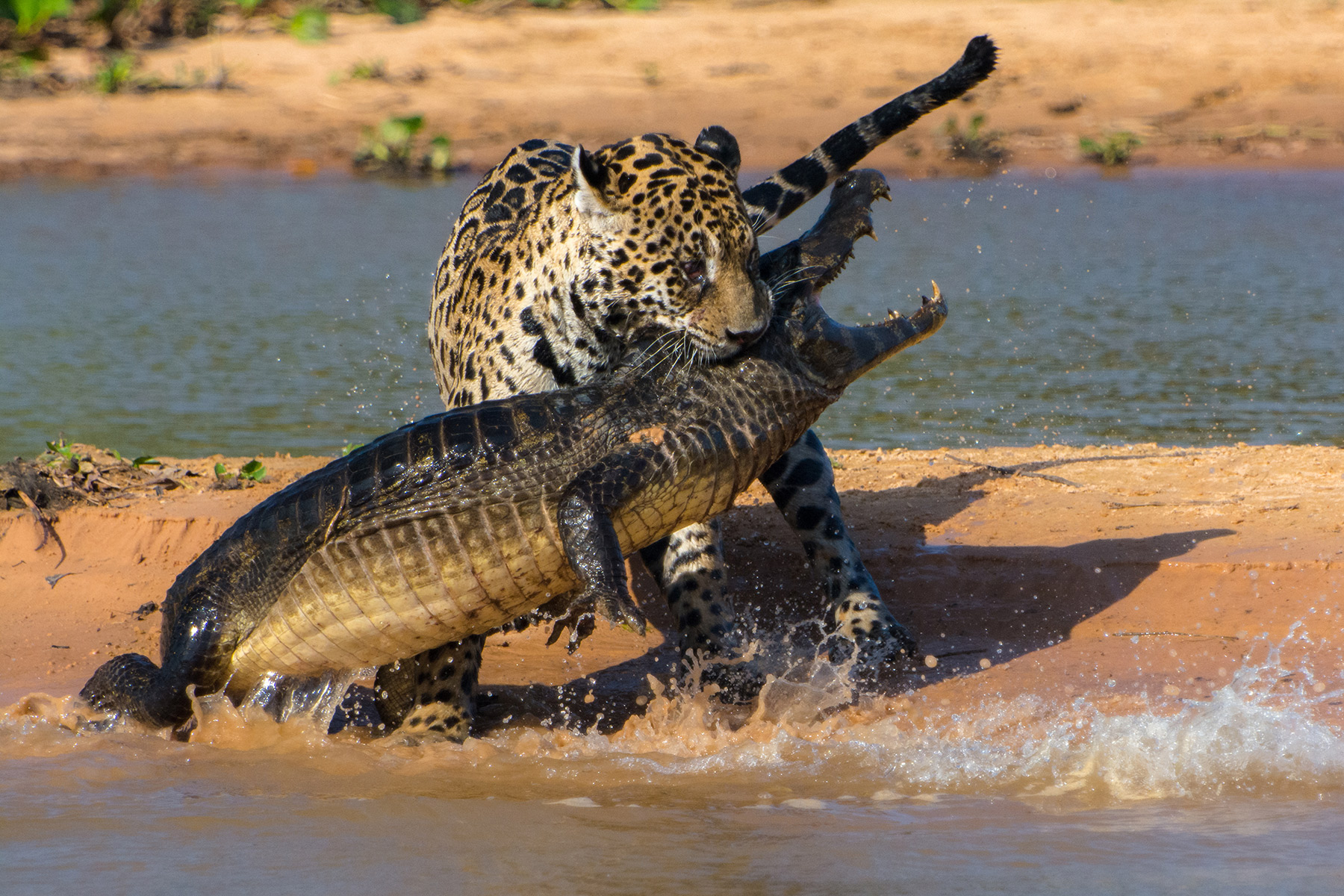
Pantanal, Mato Grosso, Brazil After a long and stealthy approach that included swimming the channel seen in the background, a seven-year-old male jaguar captures a large yacare caiman on the banks of Rio Três Irmãos. Over the last 20 years, jaguar tourism has transformed conservation in the Pantanal, where big cats that were previously hunted by cattle ranchers are now valued for the tourism revenue they draw to the region.
A Call to Purpose
The camera is more than a tool for personal expression. It’s a bridge — between science and emotion, organizations and the public, and threatened landscapes and the people who can protect them.
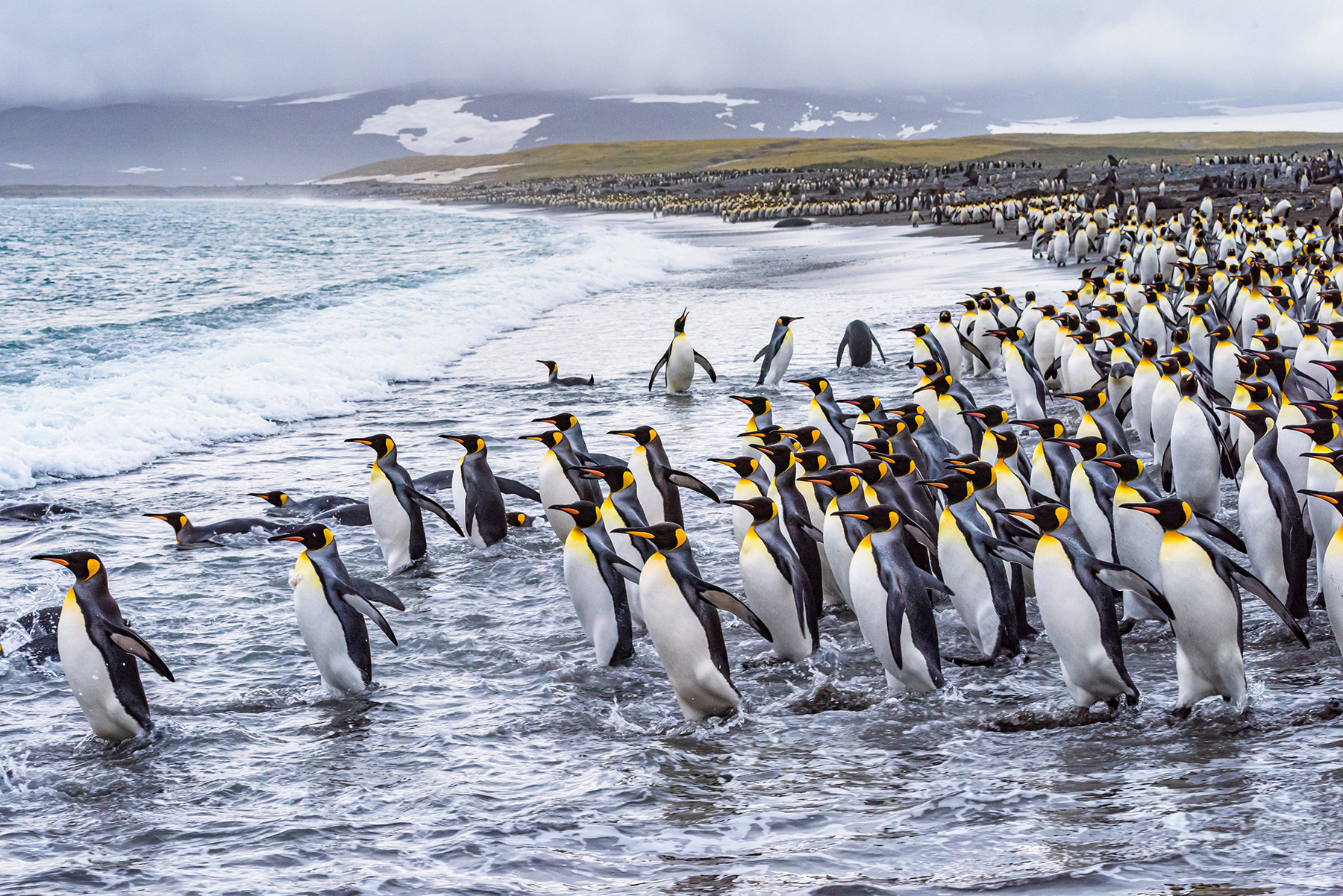
South Georgia Island, Subantarctic King penguins heading to sea en masse for their first swim of the morning at around 4 a.m. on the Salisbury Plain. Justin Black’s photo travel company, Visionary Wild, contributed photographs to South Georgia Heritage Trust’s successful program to eliminate introduced rats that threatened penguin colonies, along with proceeds from charity auctions of fine prints totaling $75,000, monetizing conservation photography.
If you feel inspired to put your photography to work for conservation, take the next step. Reach out to an NGO whose mission aligns with your values. Offer a collaboration. Propose a project. Partner with local communities. Volunteer on a visual expedition. Document a disappearing cultural tradition. Tell the story no one else is telling.
The world needs photographers willing to stand for something larger than themselves. And in return, conservation work offers something rare in a creative life: The chance to know that your images helped protect a place, species, or culture, so we and our descendants can keep on returning to the magnificent places we cherish.
Successes from the Field
From my own experience at iLCP, the most fulfilling and successful work has often emerged from campaigns where photographers, scientists, indigenous leaders, policy advocates, and local communities worked shoulder-to-shoulder.
Patagonia, Chile Wild puma beside Lago Sarmiento on a private ranch adjacent to Torres del Paine National Park. This female puma, who in the past would have been persecuted by sheep ranchers, has instead raised at least three generations of cubs habituated to humans walking respectfully through their habitat, opening up incredible close-up opportunities for wildlife photographers.FUJIFILM GFX100 II and FUJINON GF500mmF5.6 R LM OIS WR with 1.4 Teleconverter (700mm), 1/640 sec at F11, ISO 1600
Flathead RAVE
In British Columbia and Montana, our iLCP team’s imagery helped stakeholders understand how proposed mining and drilling near the U.S.–Canada border would impact one of North America’s least developed and most ecologically rich watersheds. The imagery created a unifying visual language that bridged disparate organizations (and countries) and ultimately contributed to a landmark agreement protecting the region.
Yucatán RAVE
In the Yucatán, we documented tropical forest, limestone cenotes, wetlands, and Mayan cultural heritage threatened by rapid development. The images were used in conservation planning, tourism management discussions, and public awareness campaigns aimed at balancing growth with ecological integrity.
Pumas of Patagonia & Jaguars of the Pantanal
Working in wild places with apex predators brings urgency and humility. These species aren’t merely subjects. They’re ecological architects. The photos produced on these projects helped illustrate the importance of protecting habitat, responsible tourism, and community involvement in managing human–wildlife coexistence.
Sierra Nevada and White Mountains Wilderness Expansion
Partnering with The Wilderness Society, we built a visual argument for expanding permanent wilderness protection. The portfolio emphasized alpine habitats and bristlecone pine ecosystems. Photography played a role in shaping public outreach and legislative advocacy.
In each case, images supported the work of people on the ground who had been advocating for years — sometimes decades. Photography didn’t replace scientific or legal efforts; it strengthened them and ultimately resulted in expanded protections.
To provide the best experiences, we use technologies like cookies to store and/or access device information. Consenting to these technologies will allow us to process data such as browsing behavior or unique IDs on this site. Not consenting or withdrawing consent, may adversely affect certain features and functions.
Functional
Always active
The technical storage or access is strictly necessary for the legitimate purpose of enabling the use of a specific service explicitly requested by the subscriber or user, or for the sole purpose of carrying out the transmission of a communication over an electronic communications network.
Preferences
The technical storage or access is necessary for the legitimate purpose of storing preferences that are not requested by the subscriber or user.
Statistics
The technical storage or access that is used exclusively for statistical purposes.The technical storage or access that is used exclusively for anonymous statistical purposes. Without a subpoena, voluntary compliance on the part of your Internet Service Provider, or additional records from a third party, information stored or retrieved for this purpose alone cannot usually be used to identify you.
Marketing
The technical storage or access is required to create user profiles to send advertising, or to track the user on a website or across several websites for similar marketing purposes.
To provide the best experiences, we use technologies like cookies to store and/or access device information. Consenting to these technologies will allow us to process data such as browsing behavior or unique IDs on this site. Not consenting or withdrawing consent, may adversely affect certain features and functions.
Functional
Always active
The technical storage or access is strictly necessary for the legitimate purpose of enabling the use of a specific service explicitly requested by the subscriber or user, or for the sole purpose of carrying out the transmission of a communication over an electronic communications network.
Preferences
The technical storage or access is necessary for the legitimate purpose of storing preferences that are not requested by the subscriber or user.
Statistics
The technical storage or access that is used exclusively for statistical purposes.The technical storage or access that is used exclusively for anonymous statistical purposes. Without a subpoena, voluntary compliance on the part of your Internet Service Provider, or additional records from a third party, information stored or retrieved for this purpose alone cannot usually be used to identify you.
Marketing
The technical storage or access is required to create user profiles to send advertising, or to track the user on a website or across several websites for similar marketing purposes.