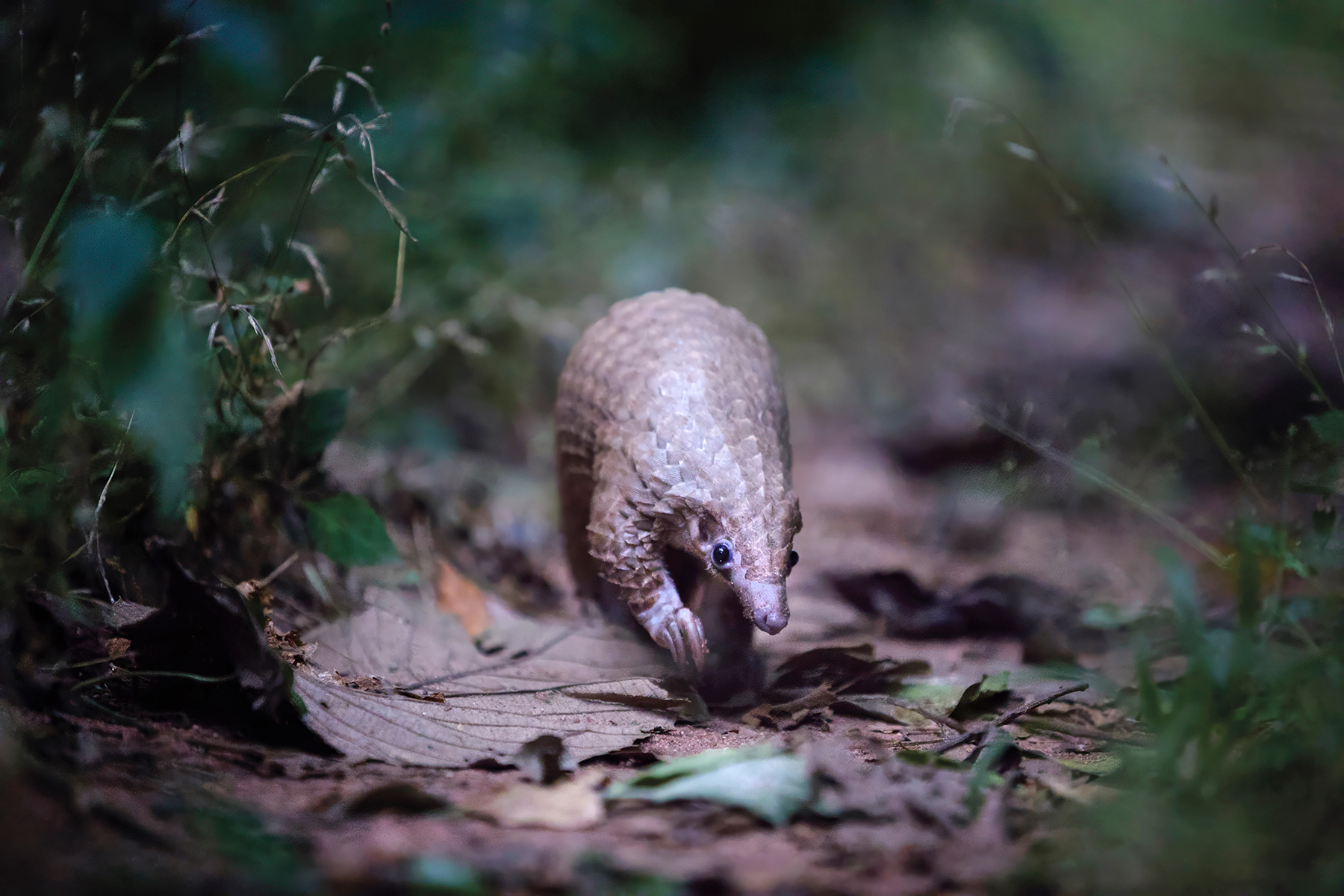
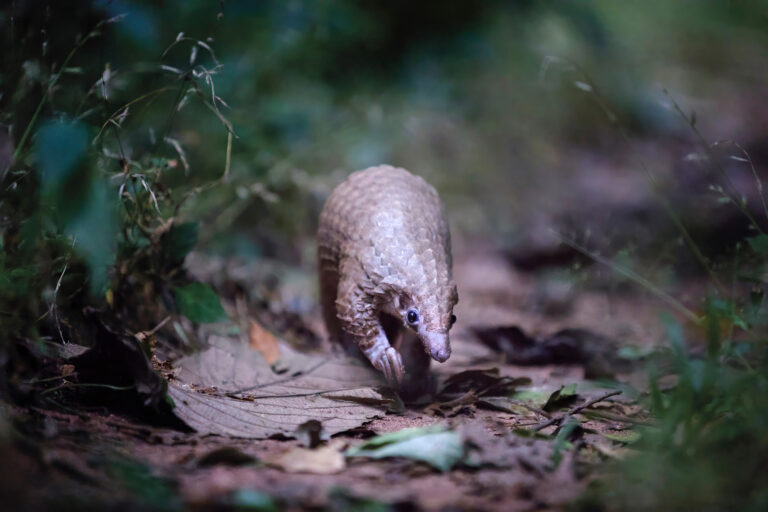
Dzanga Sangha, Central African Republic “This was a freak encounter in what is one of the most challenging places I have ever worked in. When not dodging grumpy forest elephants, it was possible to concentrate on some of the incredible, smaller fauna that these magical jungles house, and this little, white-bellied pangolin was determined to make himself famous.” Andy Skillen/ Remembering Wildlife
↑ Dzanga Sangha, Central African Republic “This was a freak encounter in what is one of the most challenging places I have ever worked in. When not dodging grumpy forest elephants, it was possible to concentrate on some of the incredible, smaller fauna that these magical jungles house, and this little, white-bellied pangolin was determined to make himself famous.” Andy Skillen/ Remembering Wildlife
Protecting What Can Still Be Saved
Words by Margot Raggett MBE
I never set out to create a global movement. In truth, the “Remembering Wildlife” book series began with heartbreak — an early morning in northern Kenya in November 2014, when I came face-to-face with the cruelty and scale of the elephant poaching crisis.
It was 4 a.m. when the hyenas began calling, their cries echoing through camp like an alarm bell. What we found at first light is a memory that has never left me: a young elephant, lying dead from a poisoned arrow. His tusks were still intact — he hadn’t even been poached for ivory, but rather, he was a victim of human-wildlife conflict.
Standing there in the early dawn, I felt a mixture of fury, grief, and helplessness. I couldn’t understand how such suffering could be unfolding unnoticed while tourists safaried around us, completely unaware of the brutal war being waged against wildlife, the very wildlife they came to marvel over. That elephant changed everything for me. It was, though I didn’t know it then, the beginning of the “Remembering Wildlife” series — a promise to myself that I’d try to raise awareness and funding for the species most at risk, using the thing I knew best: photography.
The Spark That Became a Movement
In the beginning, I thought “Remembering Elephants” would be a one-off book. I was a photographer, not a fundraiser, and certainly not a publisher. I had no blueprint, no team, and no idea whether anyone would care about this book the way I did. But I did have determination, and I had witnessed something I could no longer walk away from.
To bring the first book to life, I nervously reached out to some of the world’s best wildlife photographers, asking them to donate a single image each to help raise awareness. I was astonished and moved by how many said yes.
Their generosity was immediate and humbling. When “Remembering Elephants” launched in 2016, the campaign not only raised sufficient funds to print the book and support conservation efforts, but it revealed that people wanted to help in a different way, rather than simply donating. They wanted to see the beauty before them and respond. People started asking what would come next. Within months, I announced a second book, “Remembering Rhinos,” and the series was born.
Since then, we’ve published a book a year at a relentless pace. What has surprised me most is how the project has grown beyond just a simple book series. It became a community of photographers, supporters, and conservationists, all united by the hope that photography, when used well, can be a powerful force for change.
Hope in the Form of a Book
People often ask why the series is named “Remembering Wildlife.” The truth is blunt. If we don’t save these species now, the books may one day be all that remains as a record of their beauty, character, and rightful place in the wild. The name isn’t about mourning what’s gone. It’s about recognizing what might be lost and acting while we still can to save it.
Tristan Dicks / Remembering Wildlife
Each title focuses on a particular species or group of species whose survival hangs in the balance. Our goal is to raise awareness through world-class photography and fund frontline action. I’ve learned that the story matters as much as the funding because awareness is the seed of change. And so, the publicity we receive for the books, such as this article, is as important as the books themselves.
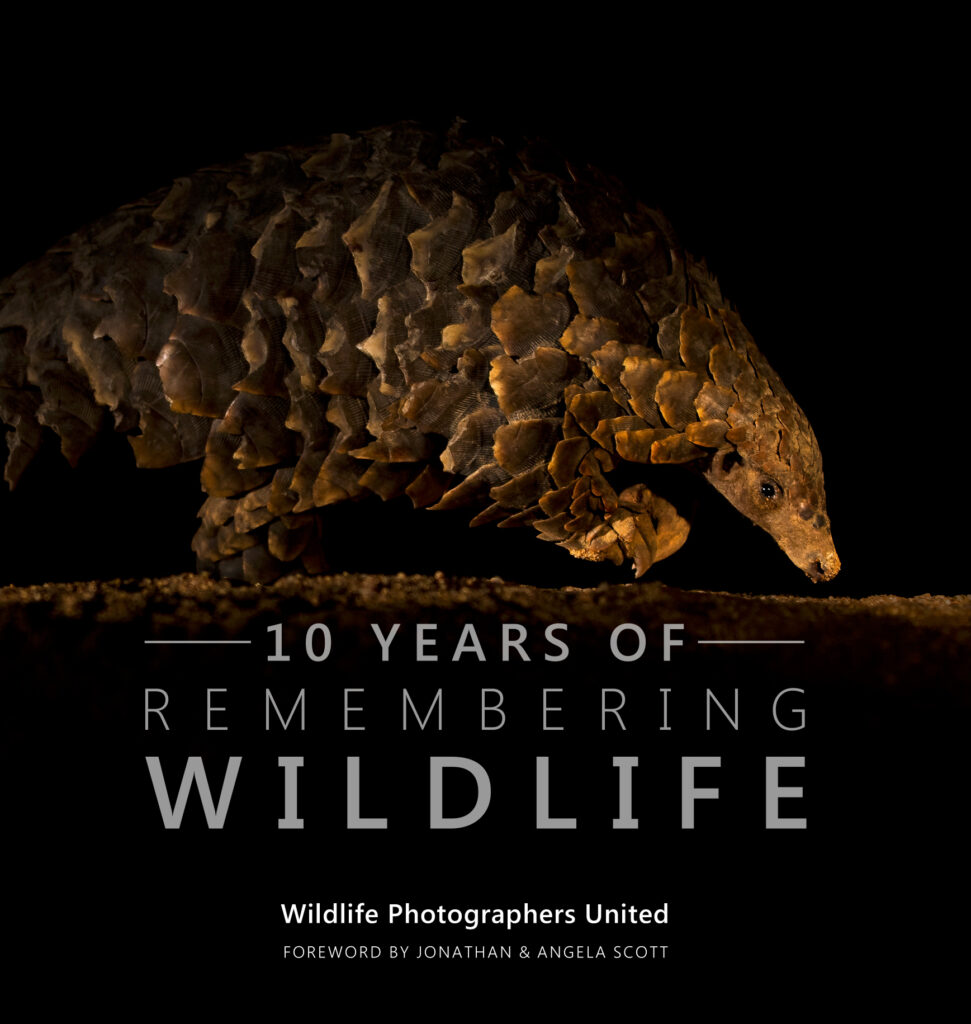
In the decade since that first book, “Remembering Wildlife” has grown steadily and inspired many imitators. Our model is simple: Use collaboration to publish “the most beautiful book ever seen featuring that species,” donate profits to conservation, and keep the overhead low so the fieldwork happens quickly.
To date, we’ve been able to donate over $1.6 million to more than 82 projects in 35 countries.
Real Projects, Real Lives Saved
Because we fund only vetted, measurable, frontline conservation work, every book’s impact is tangible. These aren’t abstract stories; they’re recoveries, rescues, and real-world protections that are made possible through support. Here are a few of the projects that remain vivid in my mind.
Elephants
One of the most strongly felt chapters in my journey is the first, “Remembering Elephants.”
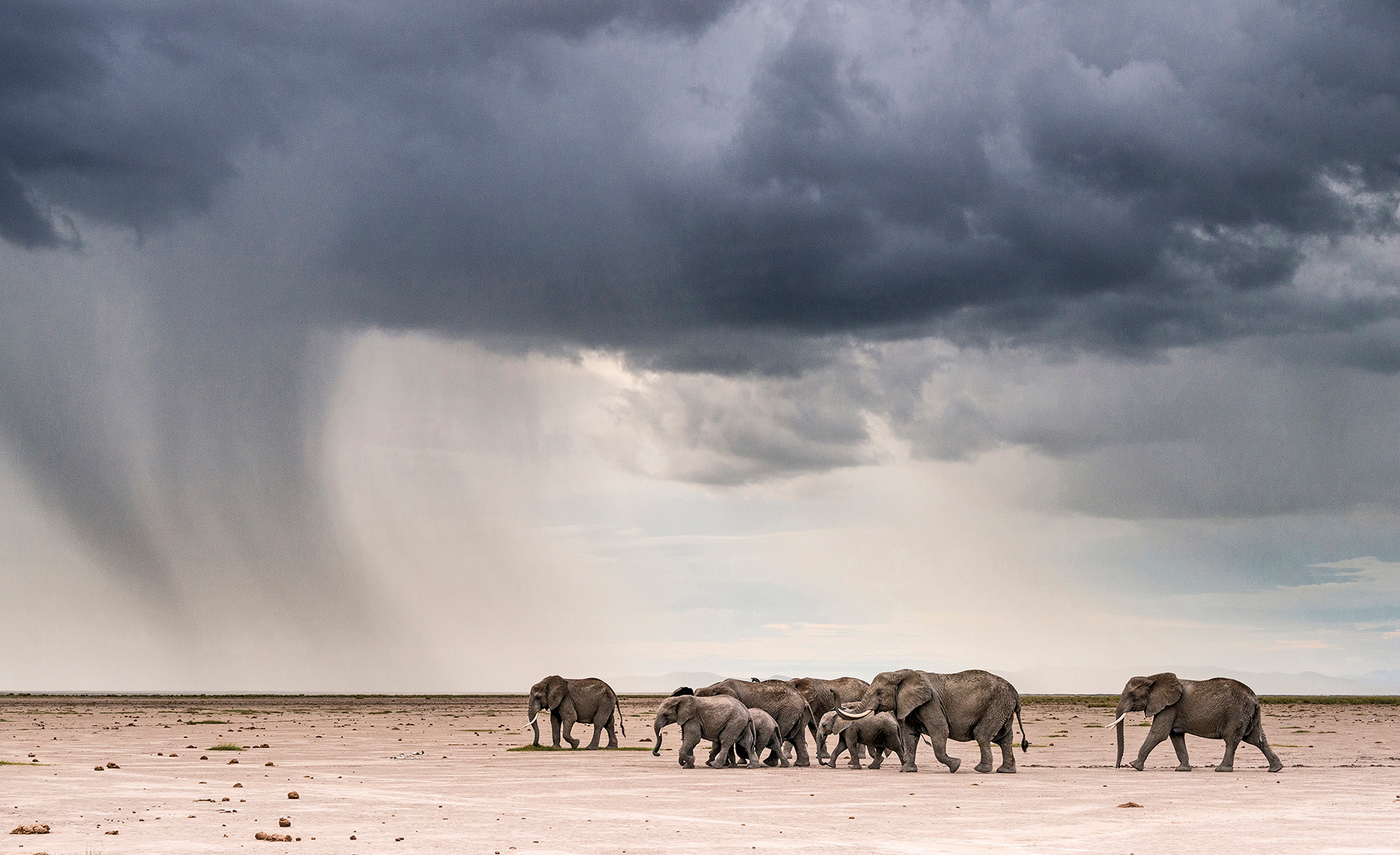
Amboseli National Park A herd of elephants traverses the parched earth in search of water, with the promise of a storm in the distance. Shem Compion / Remembering Wildlife
One project we supported was the Mali Elephant Project — a network of 674 community-eco-guardians in central Mali who monitor elephants, report poaching, and collect vital information. The funding helped ensure no poaching incidents were recorded in a high-risk zone in 2017 — the longest period without an incident since 2013.
African Wild Dogs
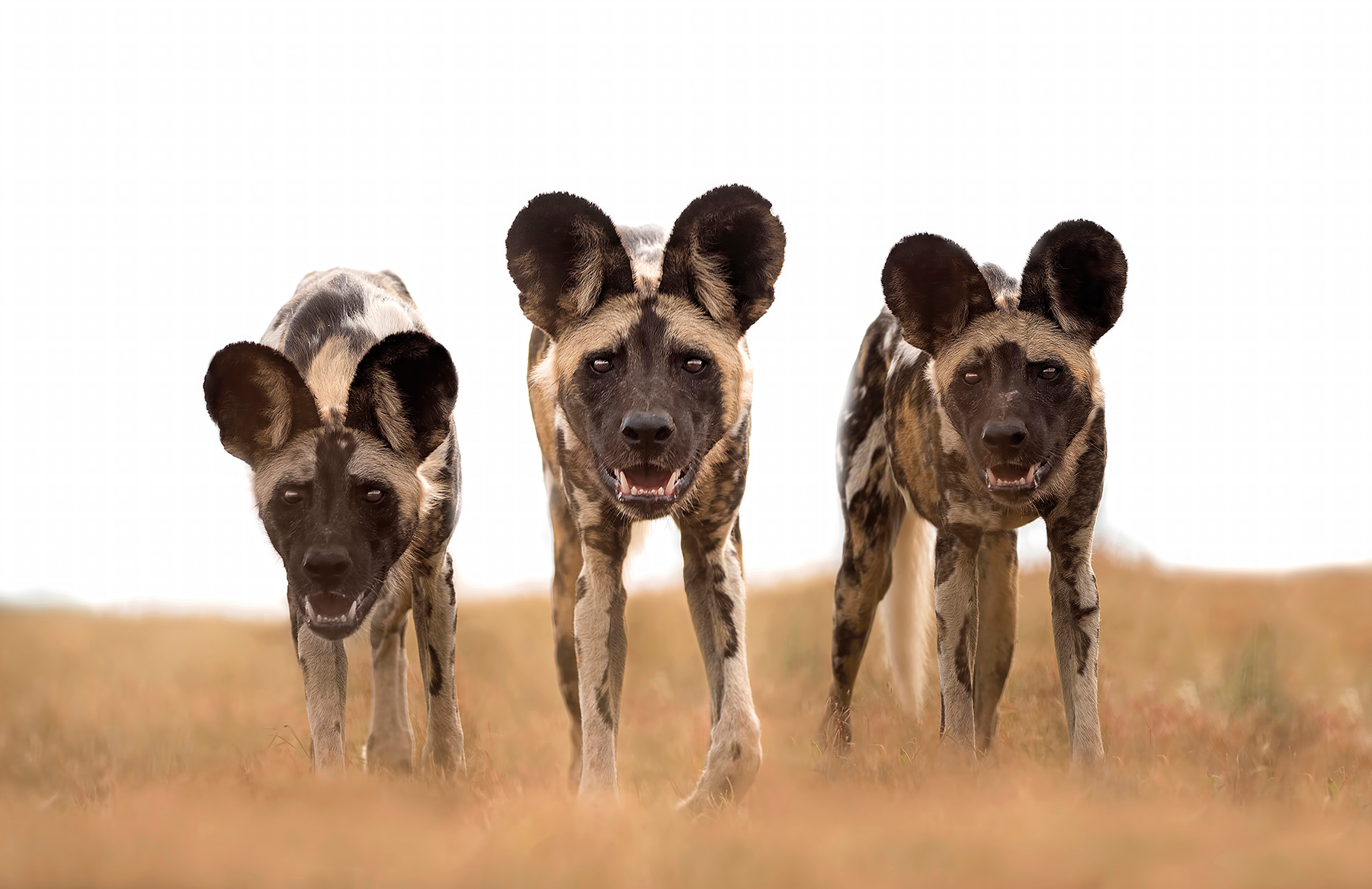
One of the most urgent campaigns we’ve supported has been for the endangered African wild dog. Through the “Remembering African Wild Dogs” book, we funded the work of the Kalahari African Wild Dog Trust in Namibia to place the first ever GPS collars on a free-roaming pack of wild dogs — a population of fewer than 350 individuals.
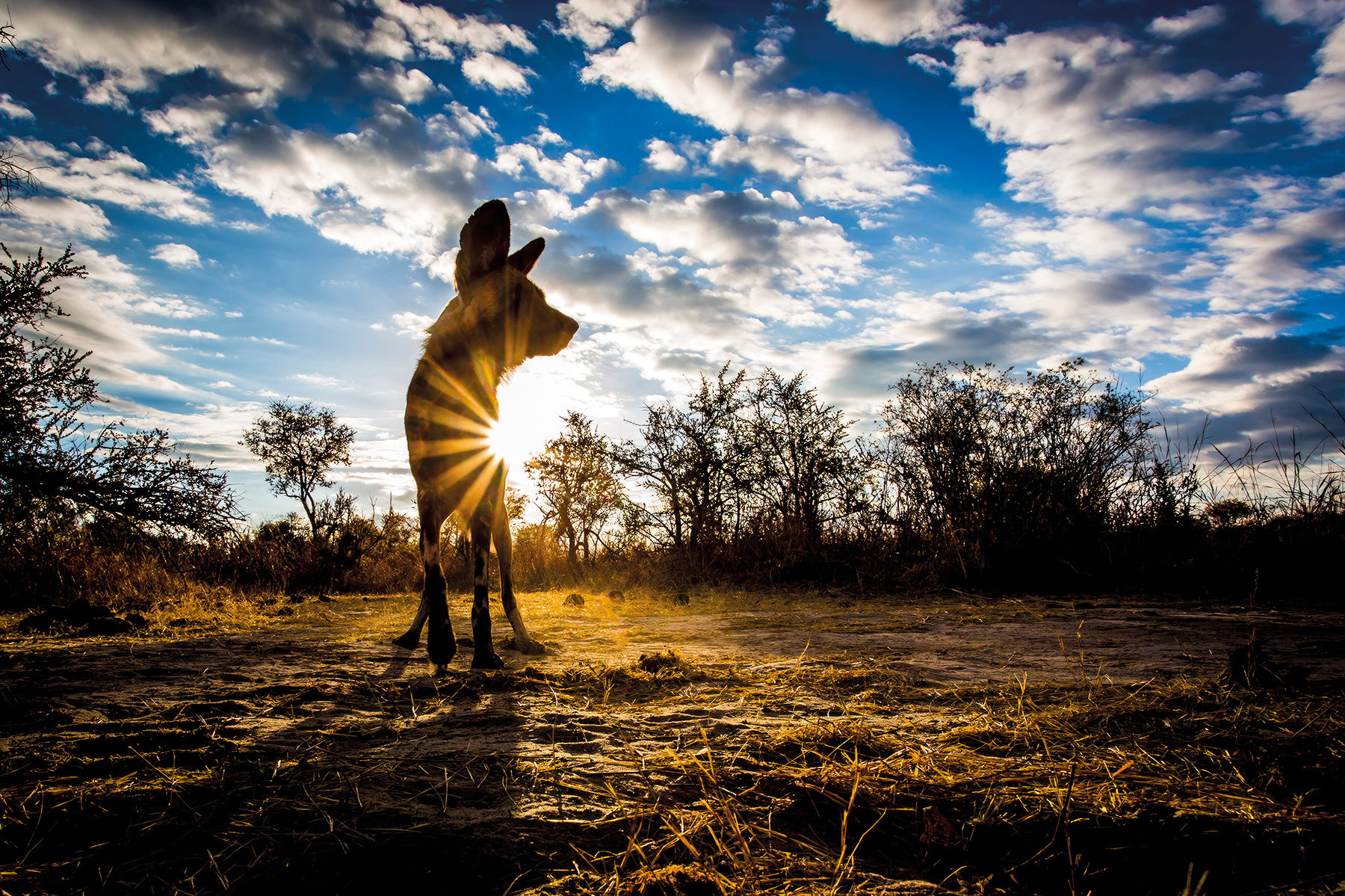
Hwange National Park, Zimbabwe There are only about 6,600 African wild dogs left in the wild, also known as African hunting dogs or painted dogs because of their colorful, patchy coats. Will Burrard- Lucas / Remembering Wildlife
This early-warning system helps farmers protect their smaller livestock and encourages coexistence.
Elsewhere, the donation to the African Wildlife Conservation Fund in Zimbabwe funded rabies vaccination for over 4,000 domestic dogs — a critical element in preventing disease spill-over into wild populations.
Botswana Donations from Remembering African Wild Dogs have funded environmental educational programs, domestic dog vaccination campaigns to help prevent the spread of rabies to African wild dogs, and a successful translocation program to Malawi, which resulted in pups being born. Dale Morris / Remembering Wildlife
Gated content.
This content is restricted to subscribers. To read more, please subscribe.
To provide the best experiences, we use technologies like cookies to store and/or access device information. Consenting to these technologies will allow us to process data such as browsing behavior or unique IDs on this site. Not consenting or withdrawing consent, may adversely affect certain features and functions.
Functional
Always active
The technical storage or access is strictly necessary for the legitimate purpose of enabling the use of a specific service explicitly requested by the subscriber or user, or for the sole purpose of carrying out the transmission of a communication over an electronic communications network.
Preferences
The technical storage or access is necessary for the legitimate purpose of storing preferences that are not requested by the subscriber or user.
Statistics
The technical storage or access that is used exclusively for statistical purposes.The technical storage or access that is used exclusively for anonymous statistical purposes. Without a subpoena, voluntary compliance on the part of your Internet Service Provider, or additional records from a third party, information stored or retrieved for this purpose alone cannot usually be used to identify you.
Marketing
The technical storage or access is required to create user profiles to send advertising, or to track the user on a website or across several websites for similar marketing purposes.
To provide the best experiences, we use technologies like cookies to store and/or access device information. Consenting to these technologies will allow us to process data such as browsing behavior or unique IDs on this site. Not consenting or withdrawing consent, may adversely affect certain features and functions.
Functional
Always active
The technical storage or access is strictly necessary for the legitimate purpose of enabling the use of a specific service explicitly requested by the subscriber or user, or for the sole purpose of carrying out the transmission of a communication over an electronic communications network.
Preferences
The technical storage or access is necessary for the legitimate purpose of storing preferences that are not requested by the subscriber or user.
Statistics
The technical storage or access that is used exclusively for statistical purposes.The technical storage or access that is used exclusively for anonymous statistical purposes. Without a subpoena, voluntary compliance on the part of your Internet Service Provider, or additional records from a third party, information stored or retrieved for this purpose alone cannot usually be used to identify you.
Marketing
The technical storage or access is required to create user profiles to send advertising, or to track the user on a website or across several websites for similar marketing purposes.