Web Features
Words by Sheila Sheppard, Images by Marni Grossman | July 2026
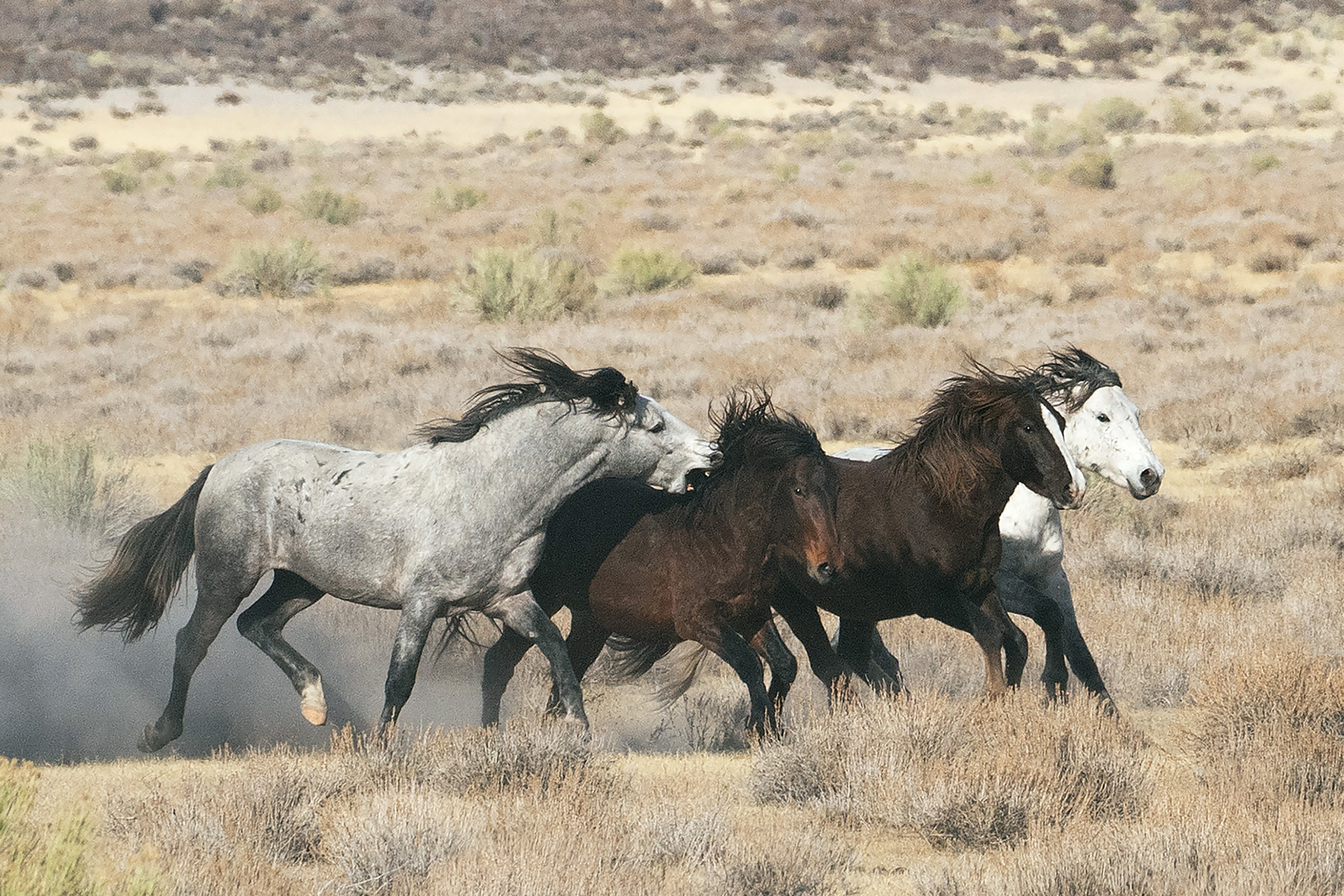
We are close. Close enough to look into their eyes — ancient, intelligent, full of spirit. The horses seemed to be as curious about our little group as we were about them, but with an alert presence that only the wild can impart.
It was mid-morning on a cool day in early November. We had just arrived at the Eastern Sierras when the horses of the Montgomery Pass herd began to gather by the watering hole — a source they had found by scent and dug out of the baked ground diligently with their hooves.
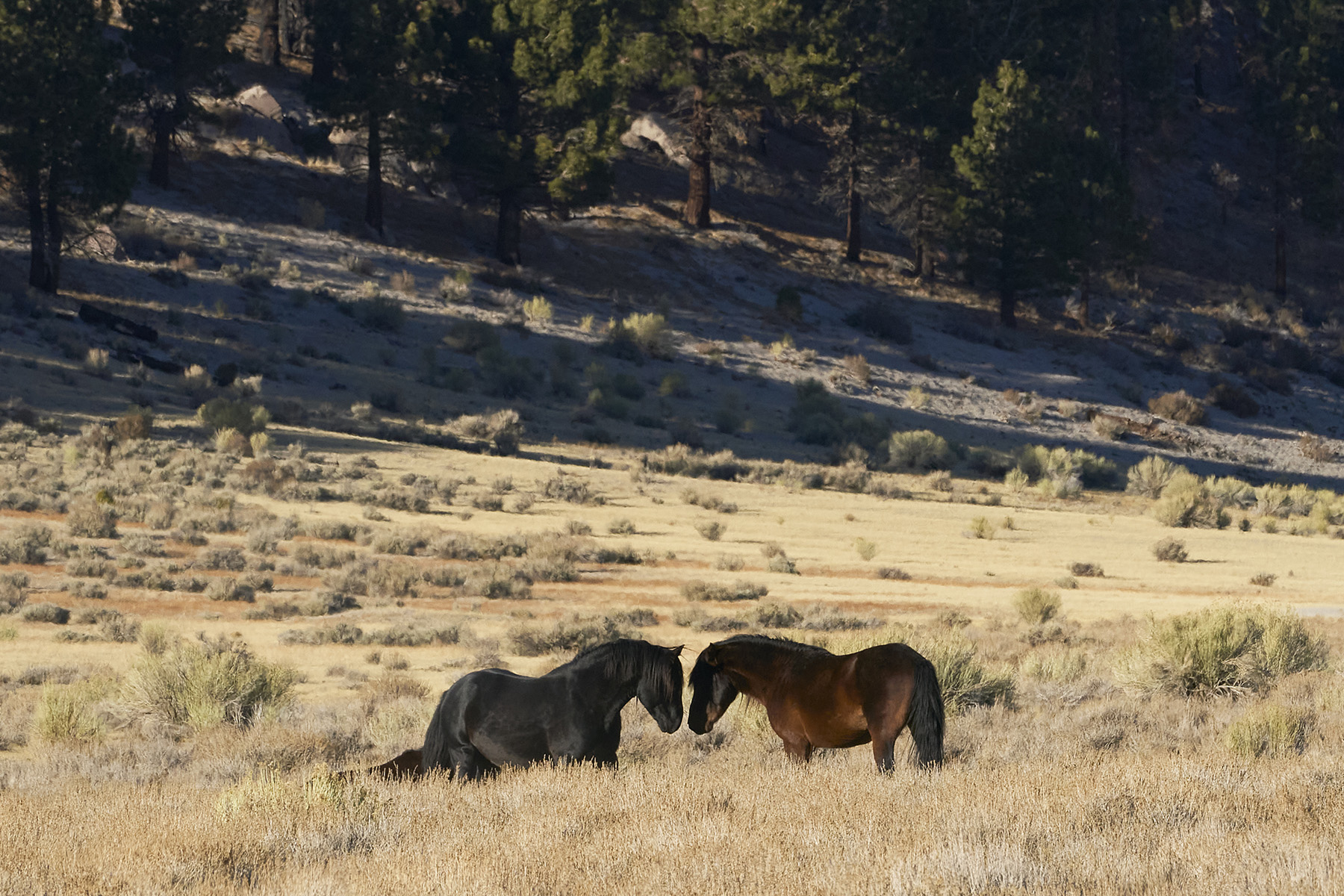
They descended the pine-forested hills where they seek shelter and warmth in cold weather. They came from across the fields and over the flat lands. We kept a respectful distance from the herd as we quietly watched them gather at the watering hole to drink and bathe.
Being in the wild with these magnificent creatures is exhilarating and full of magic. They have a gentle wildness, with social ties within a herd demonstrating the sophistication of the wild animals they are. They embody the spirit of freedom, which feels palpable in their presence.
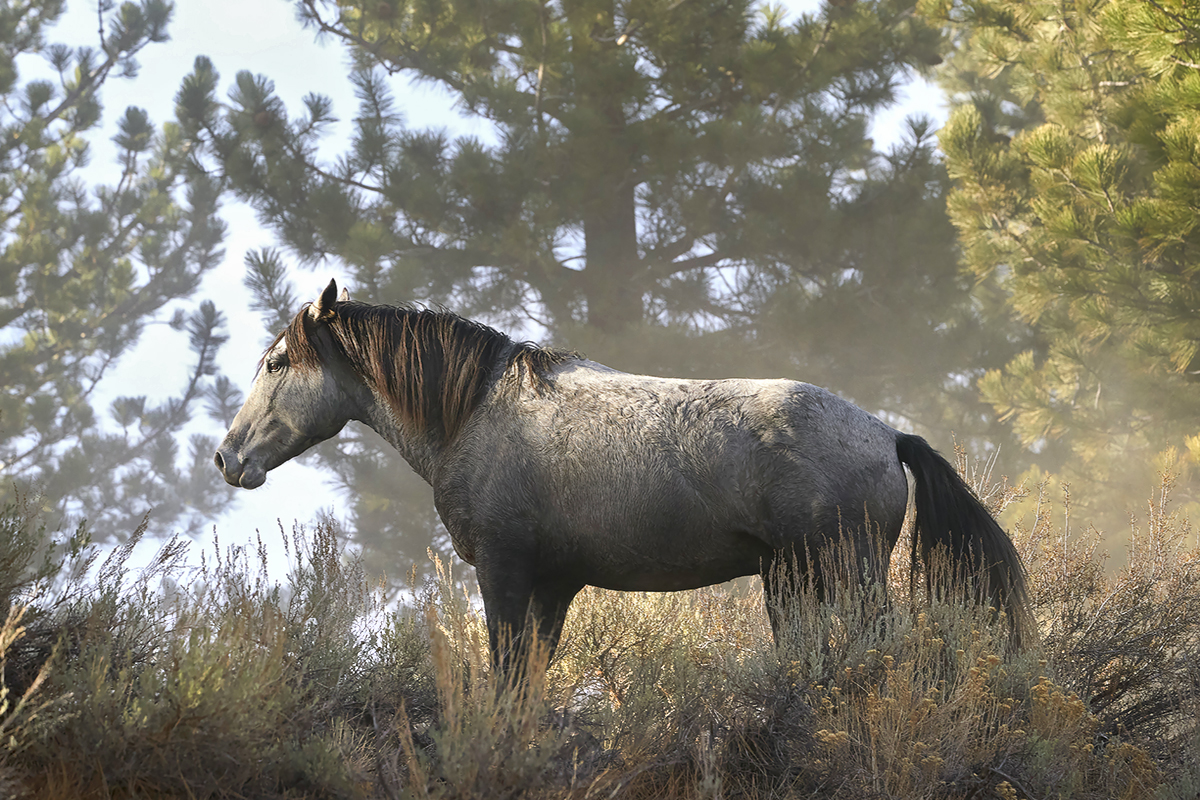
The horses have been roaming the Great Basin for centuries, living alongside the Northern Paiute Indigenous People, or the “Nüümü,” a word that refers to the cultural and ancestral connection the Nüümü people share with the wild mustangs and domesticated horses that have helped them survive, adapt, and defend their culture through changing times and untold generations. Nüümü, in the Paiute language, ties the three entities of “the land,” “the people,” and “the horses” into a single term. They’re all seen as part of an interwoven unity of life.
The local indigenous tribes have been holding and protecting the wild land and horses for all of us for generations, but they can no longer do it alone. They’re up against corporate and political pressure, and they don’t have the necessary resources to protect the horses from our own government.
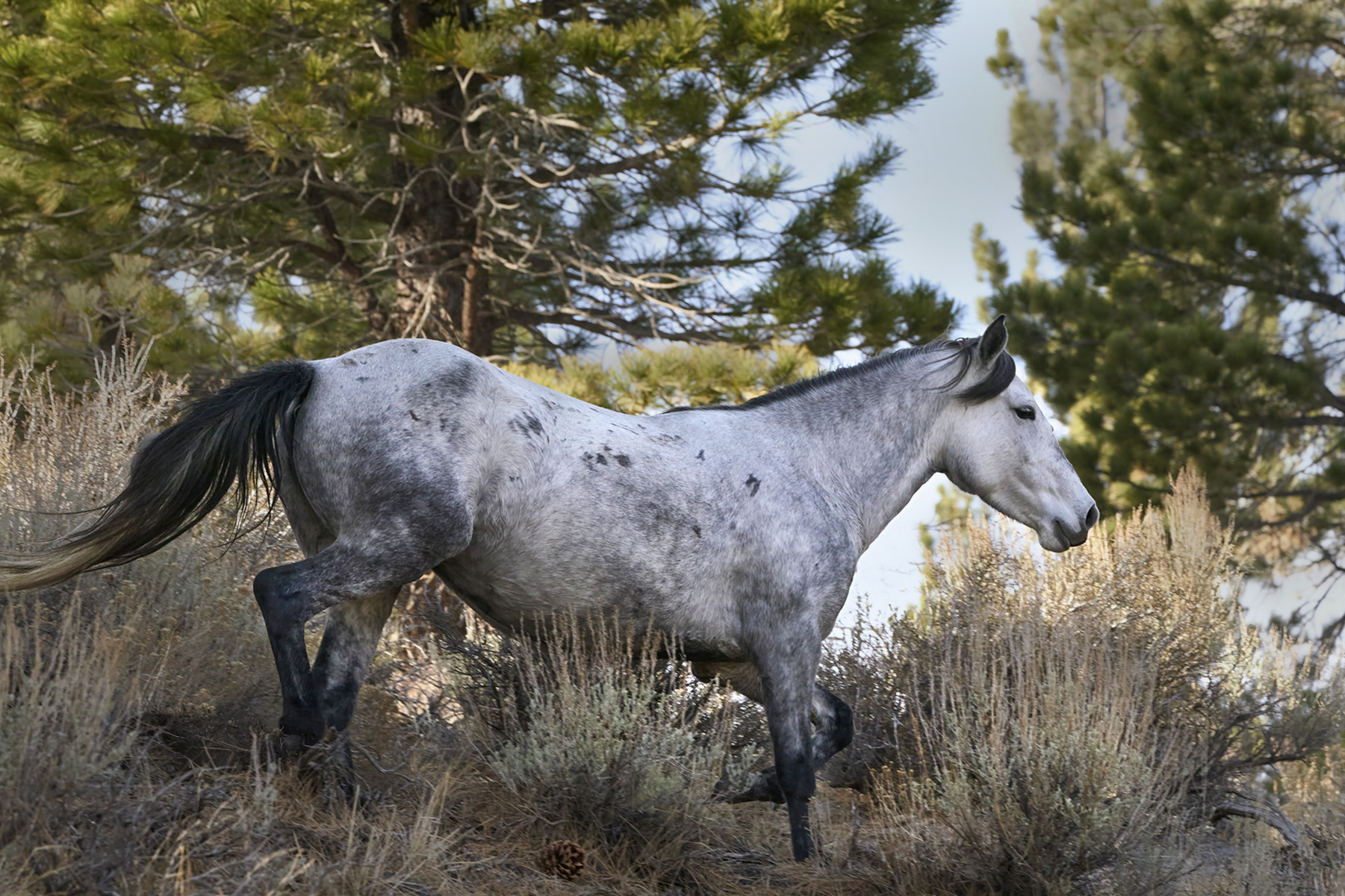
These horses are in imminent danger. This herd of 700 is scheduled for a helicopter roundup in less than a week by our own government agencies — the very agencies tasked with protecting them, primarily the Bureau of Land Management and the Forest Service.
The agenda behind this system is corporate and profit-driven, holding little regard for the value of nature and our country’s wild inhabitants. Observing the horses on that wide expanse of desert, it’s hard to imagine that 700 horses on over 200,000 acres represents an “overpopulation” or that the horses are damaging the land, the excuse our government uses to justify the roundup. In fact, they’re an important part of the ecosystem.
Left alone in the wild, horses tend to keep a steady population. Harsh winters, natural selection, and predators are all regulating factors. Ironically, it’s now known that roundups cause a compensatory rise in population.
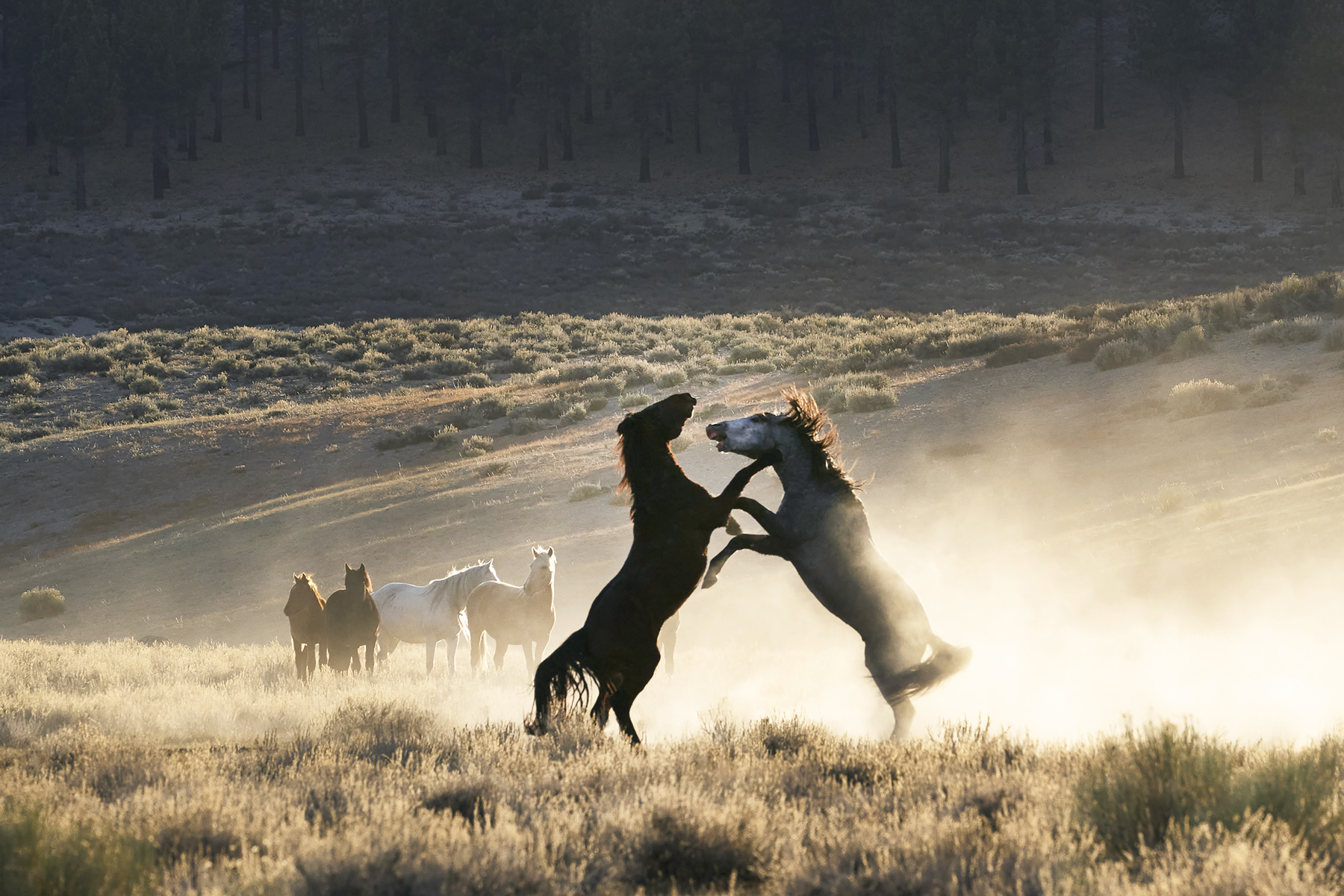
Helicopter roundups are traumatizing and brutal. And they’re unnecessary. These methods aren’t only ineffective, but they’re also self-defeating, and they deeply disrupt the natural behavior and organization of the herds.
The timing of this proposed roundup is untenable and heartbreaking. Foaling season puts both mares and foals at risk. Young foals are often unable to keep up in the chaos and are at risk of being separated from their mothers. Their soft hooves are often worn to nubs as they run for their lives. Pregnant mares often miscarry during the stress of horses frantically trying to evade noisy helicopters.
Help us stop the roundup. It’s inhumane, insanely costly, and absolutely unnecessary. There’s no overpopulation or need to send the wild horses to be sold or slaughtered. Be a voice for the Nüümü horses. We have a narrow window of time in which to act.
You can help by:
See more of Marni Grossman’s work at www.freeandwild.org. All print sale profits go directly to the Indigenous Wild Horse Society and are tax-deductible.
Get Annual Subscription