Web Features
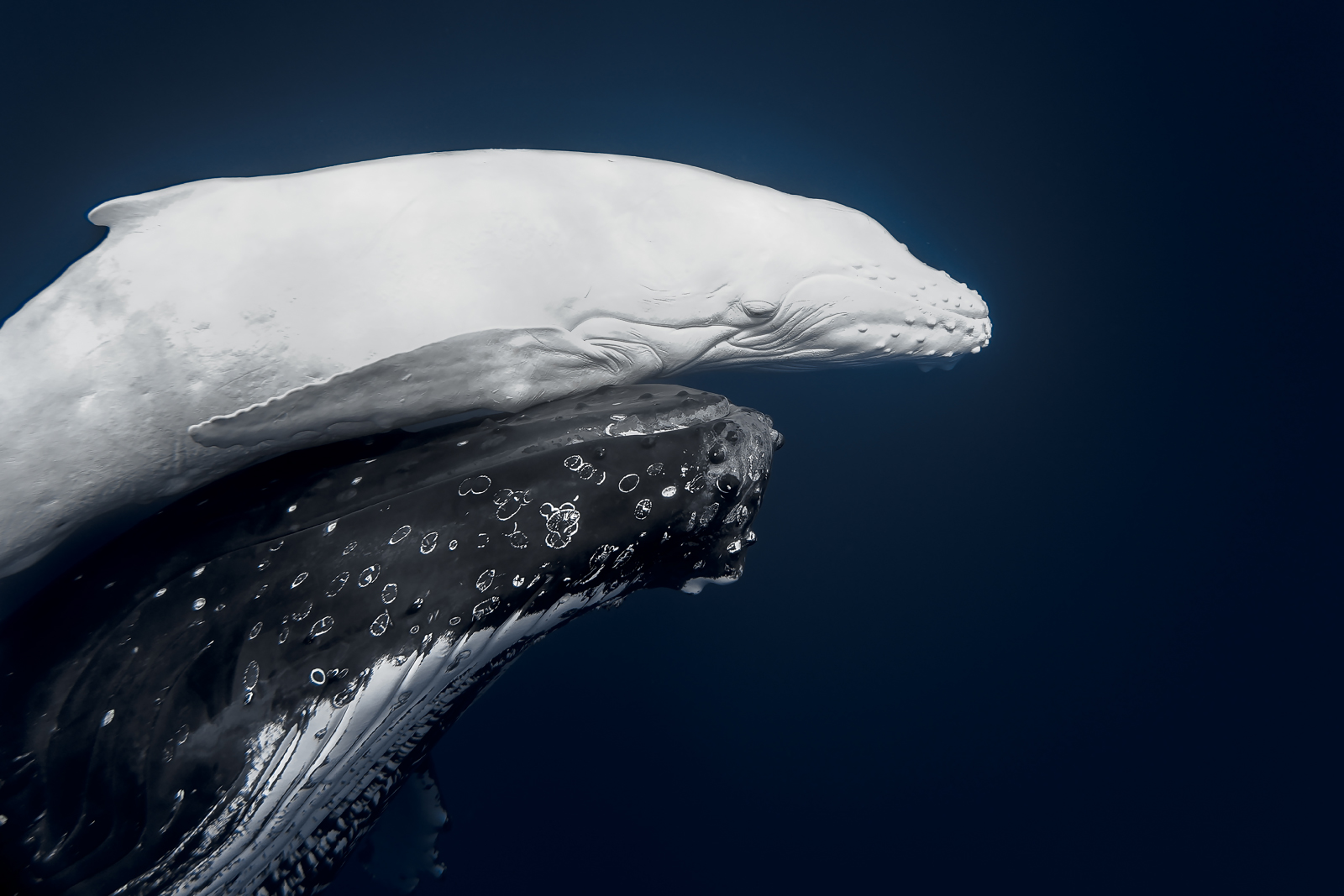
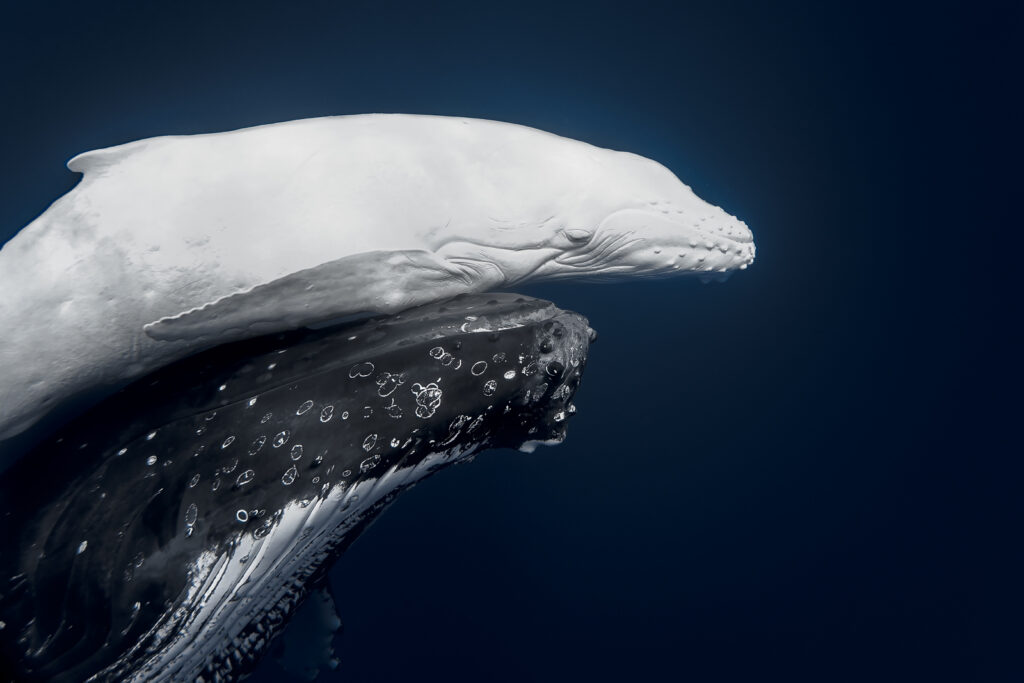
↑ Jono Allen, Mãhina – Grand Prize
By Selina Sahba | April 2026
When thousands of photographers submit their finest work to a single competition, the results reveal far more than technical excellence. They reveal how humanity sees itself in relation to the natural world: what we value, what we notice, what moves us to pause and bear witness.
The 2026 World Nature Photography Awards, announced in late February, showcases this diversity through seven remarkable images that collectively tell the story of our planet’s wonders and vulnerabilities.
While the grand prize went to Australian marine photographer Jono Allen for his ethereal image of a rare white humpback whale calf named Mãhina, the category winners tell equally compelling stories. Together, these photographs form a constellation of perspectives from the intimate to the monumental, from the microscopic to the global.
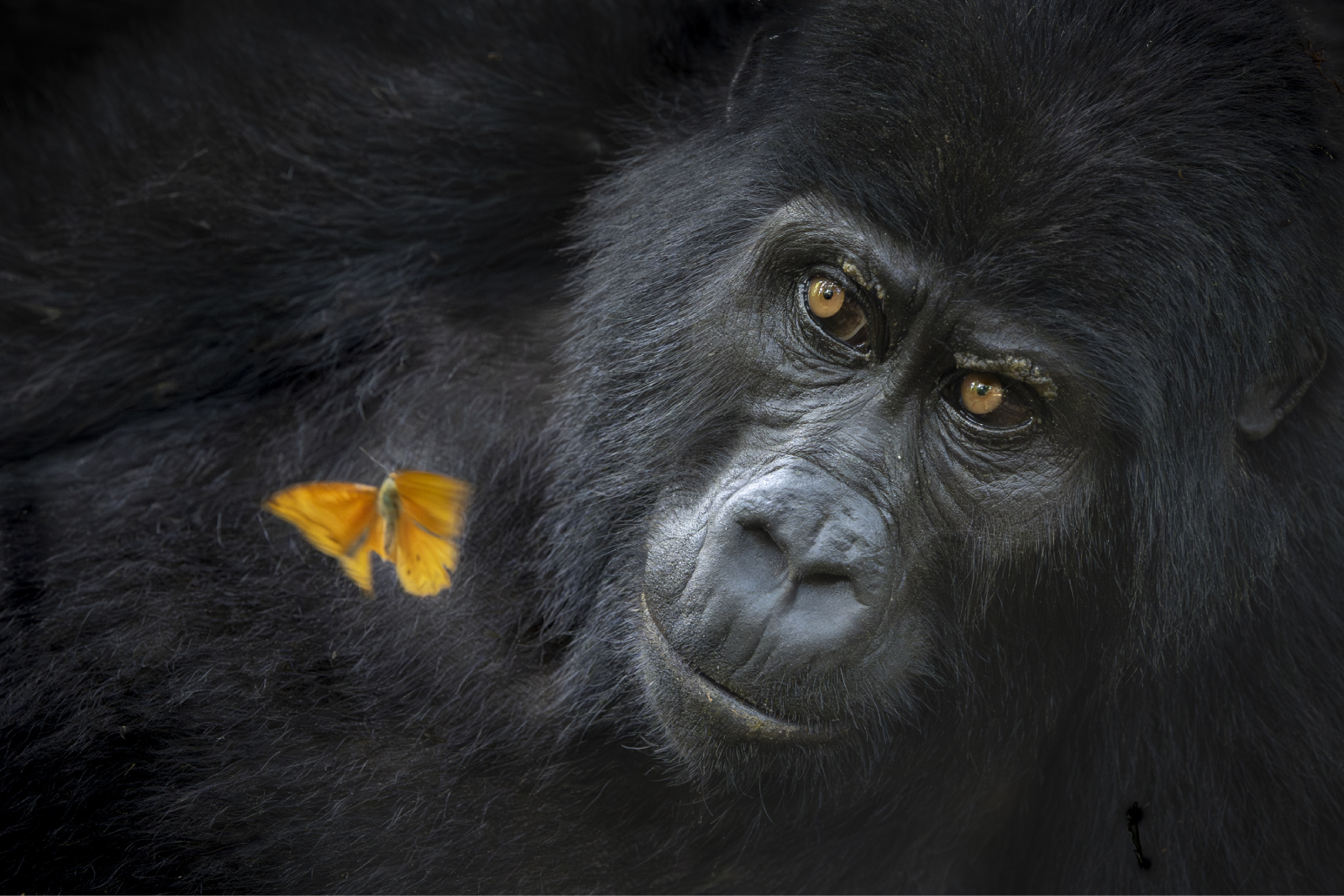
American photographer Mary Schrader captured a young female gorilla at Bwindi, her eyes widened in wonder as a vibrant butterfly dances through the air. This single frame transcends the typical wildlife portrait, capturing a fleeting moment of cross-species connection. The image reminds viewers that wonder is not the exclusive domain of humans, it is a universal language spoken by all sentient beings.
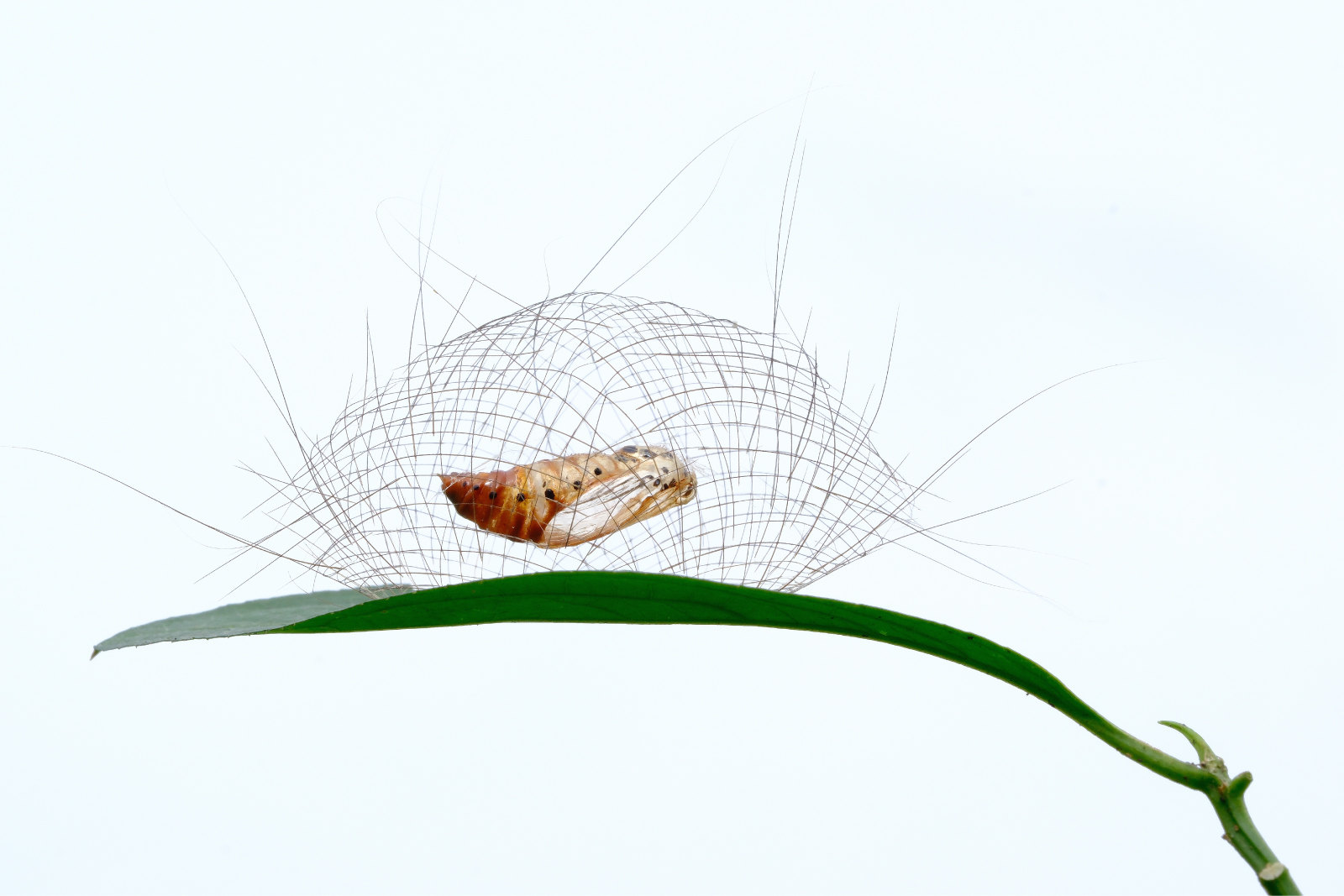
Chinese photographer Minghui Yuan reveals the architectural genius of the natural world through a moss moth larva in the Xishuangbanna rainforest. The larva constructs an elaborate protective nest from its own toxic hair-like structures, essentially weaponizing itself to resist parasitic wasps and ants. Yuan’s photograph transforms this tiny creature’s survival strategy into a meditation on nature’s extraordinary creativity.
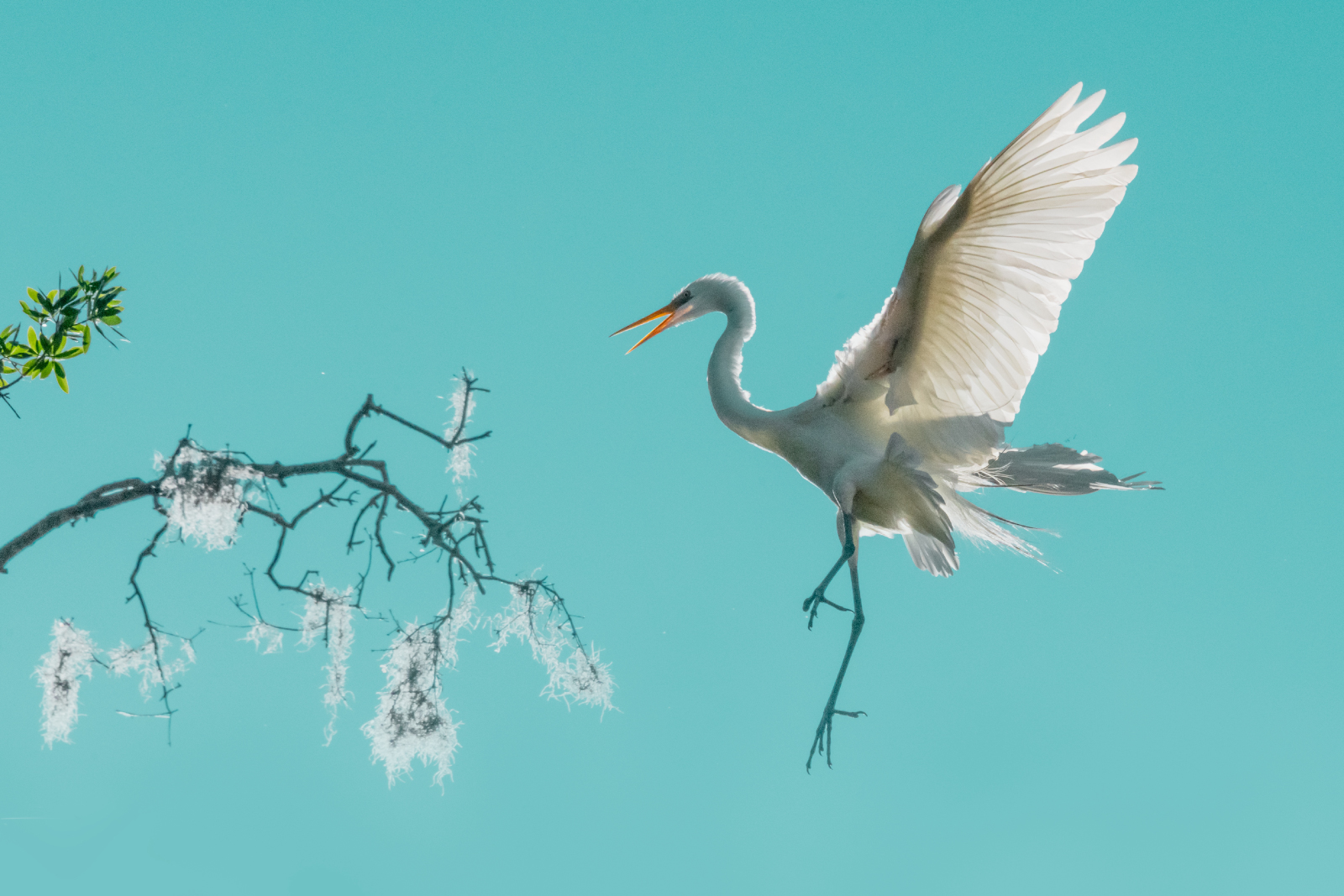
American photographer Fenqiang Liu captures great egrets at Kraft Azalea Garden in Central Florida, photographed from below with backlighting that reveals the delicate structure of their wings in flight. The composition demonstrates how familiar subjects can yield extraordinary results when approached with technical precision and artistic vision. The interplay of light and shadow creates a sense of movement and grace.
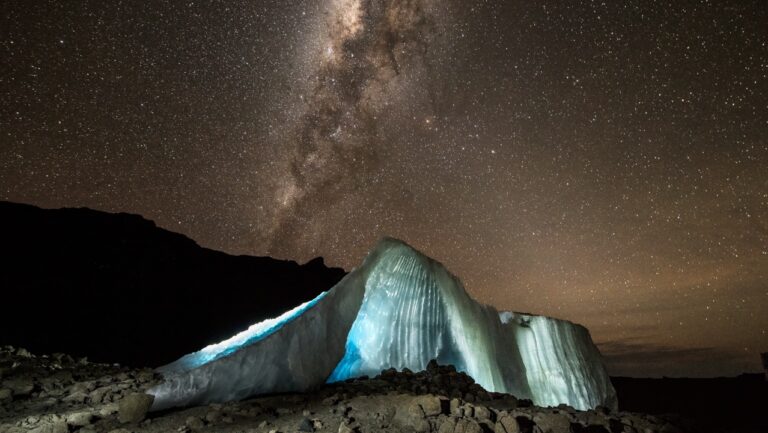
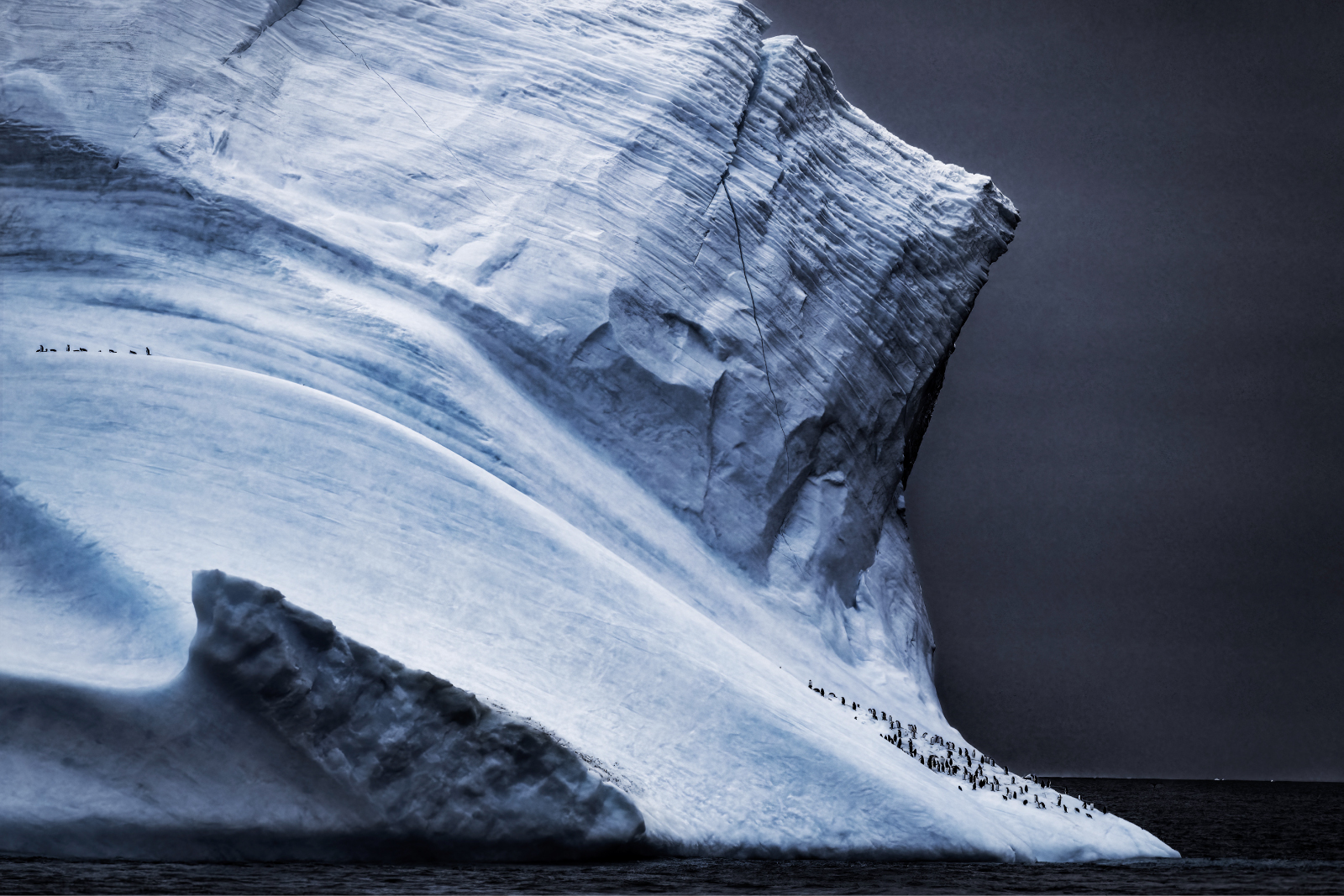
British photographer Harry Skeggs presents a towering glacier face rising against a dark sky, its stratified layers of ancient ice carved by wind and time. The image exemplifies the critical importance of documenting our planet’s frozen landscapes as climate change accelerates ice loss. The geometric precision of the glacier’s layers tells the story of centuries of accumulation, while the surrounding darkness serves as a metaphor for the uncertain future of these vital ecosystems.
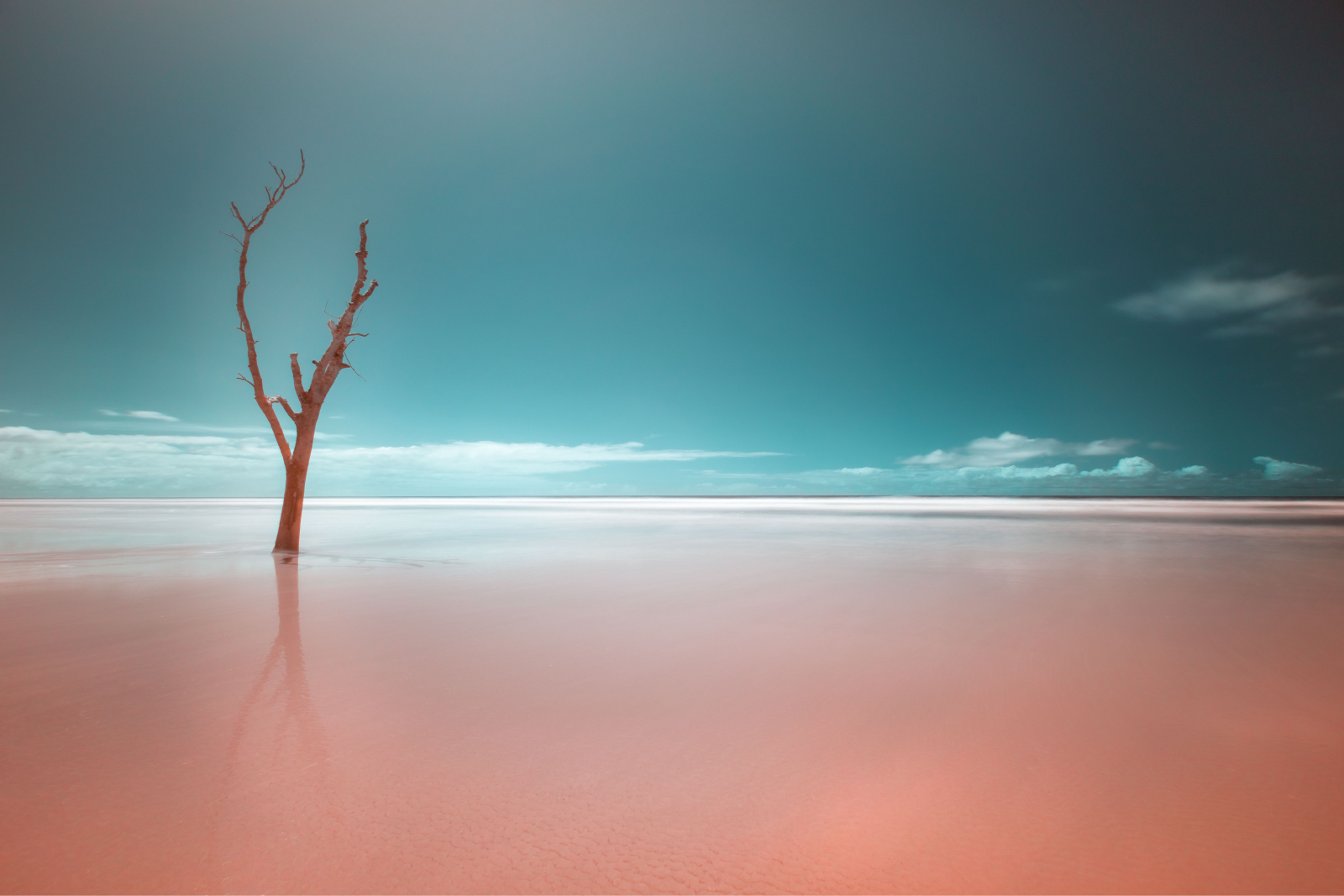
Brazilian photographer Thiago Campi documents one of climate change’s most visible consequences: a solitary tree trunk standing in shallow water at Ilha do Cardoso State Park. What was once a thriving mangrove swamp has been transformed into a barren landscape. The striking contrast between turquoise sky and rust-colored water creates a surreal aesthetic that belies a serious environmental message. In this single frame, Campi captures both the tragedy and urgency of our moment.
Allen’s winning image depicts a ghostly white humpback whale calf traveling through tropical waters in Tonga. With only one in 40,000 humpbacks born with albinism, this photograph represents a profound moment of conservation success. The humpback species, once hunted to extinction, has made a remarkable recovery. Mãhina embodies this resilience, a living symbol of what becomes possible when wildlife is given the chance to thrive.
These six photographs represent far more than technical excellence. They form a tapestry of human vision and concern, reflecting what photographers around the world believe matters most about the natural world. From the miraculous recovery of a whale species to the intricate survival strategies of insects, from the grace of birds in flight to the march of climate change, these images speak to the full spectrum of our relationship with nature.
The 2026 World Nature Photography Awards reminds us that photography is about bearing witness, documenting the world as it is and as it is changing. In an age of environmental uncertainty, these photographers have given us something precious: evidence of both what we stand to lose and what we might yet save.
See more work at World Nature Photography Awards 2026.