Web Features
WORDS BY WILD EYE STAFF, IMAGES BY JAMES BALOG/EARTH VISION INSTITUTE | August 2026
Photography has always shaped the way we understand the natural world. Today, as ecosystems change faster than ever, images have become more than works of art. They are records of a moment in time, evidence of change, and a way to connect people with nature.
The Denver Art Museum has long been committed to celebrating artists who challenge us to look more deeply at our world. Recognizing the power of visual storytelling, the Museum has launched the James Balog Earth Vision Awards, a new biennial competition. Says James, “I want to give back to the international photo community to help support innovative photography about the relationship of the human race with the surrounding environment.”
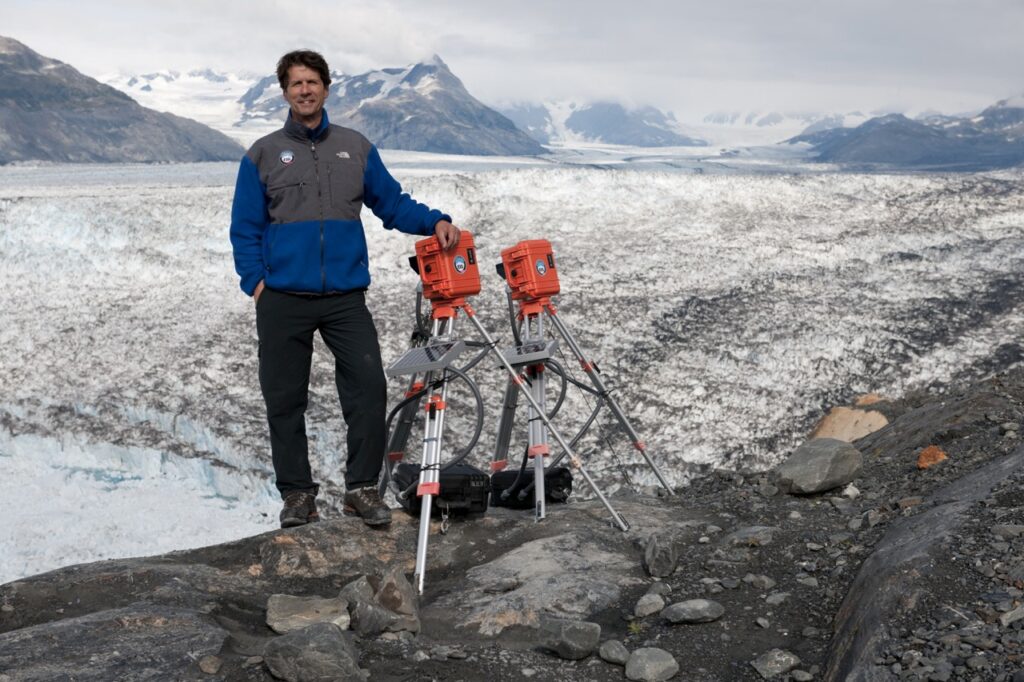
Wild Eye Magazine has always celebrated photography that goes beyond beautiful images. The strongest photographs educate, inspire, and help us understand the changing world we share. The competition is an opportunity worth paying attention to for the Wild Eye community. Beyond the significant financial prize, the award celebrates photographers committed to documenting the natural world with authenticity, purpose, and long-term vision.
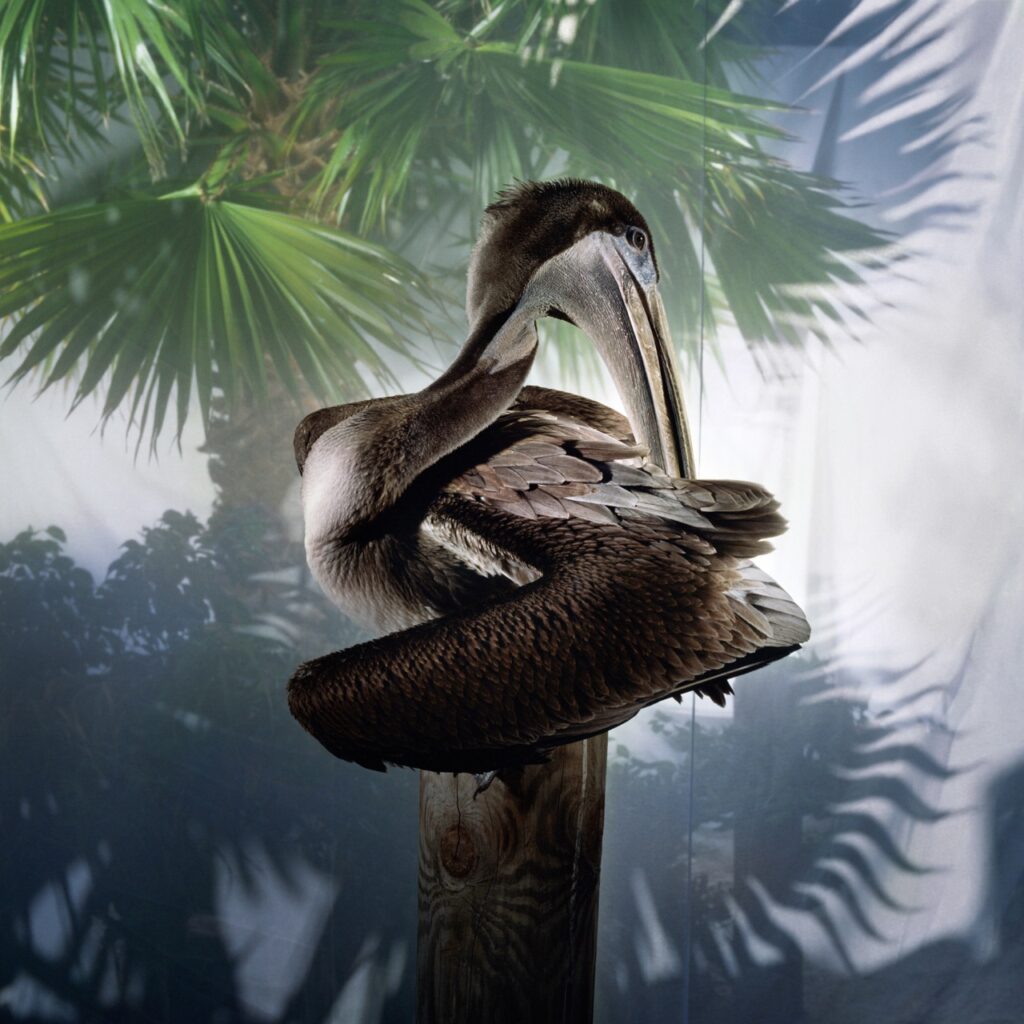
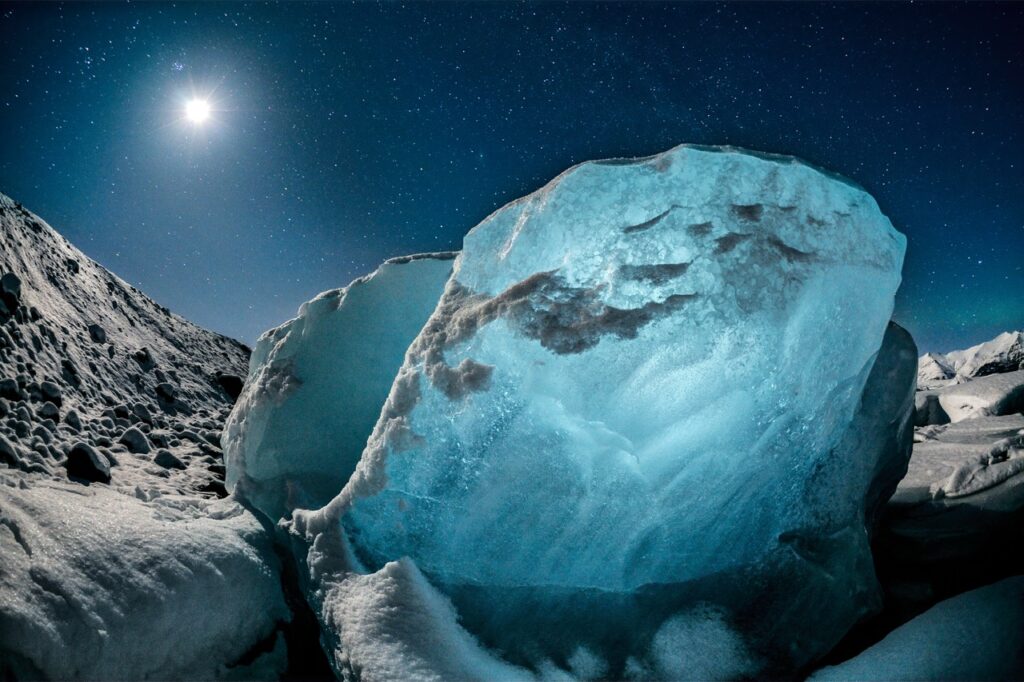
The awards are named after acclaimed photographer James Balog, whose career has helped redefine how photography can communicate environmental change.
A wildlife and wilderness photographer, Balog quickly recognized that more aggressive attention needed to be focused on environmental issues. In 2005, he was named a founding fellow of the International League of Conservation Photographers.
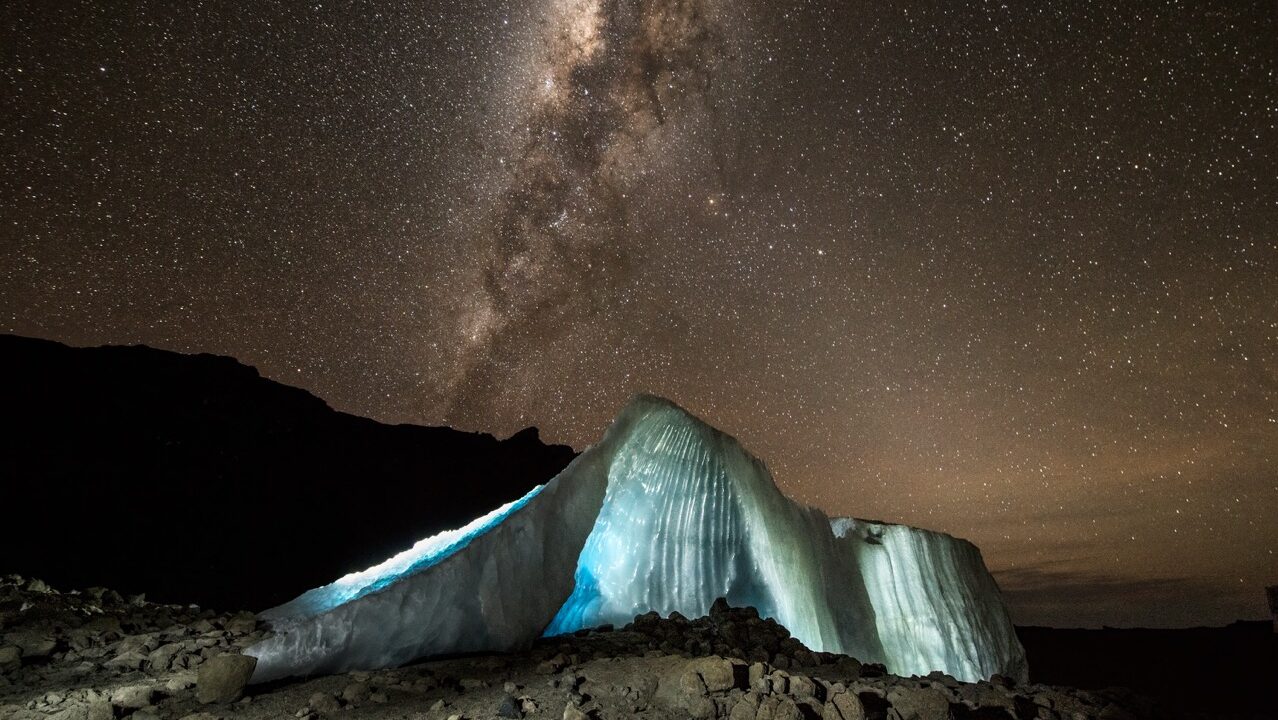
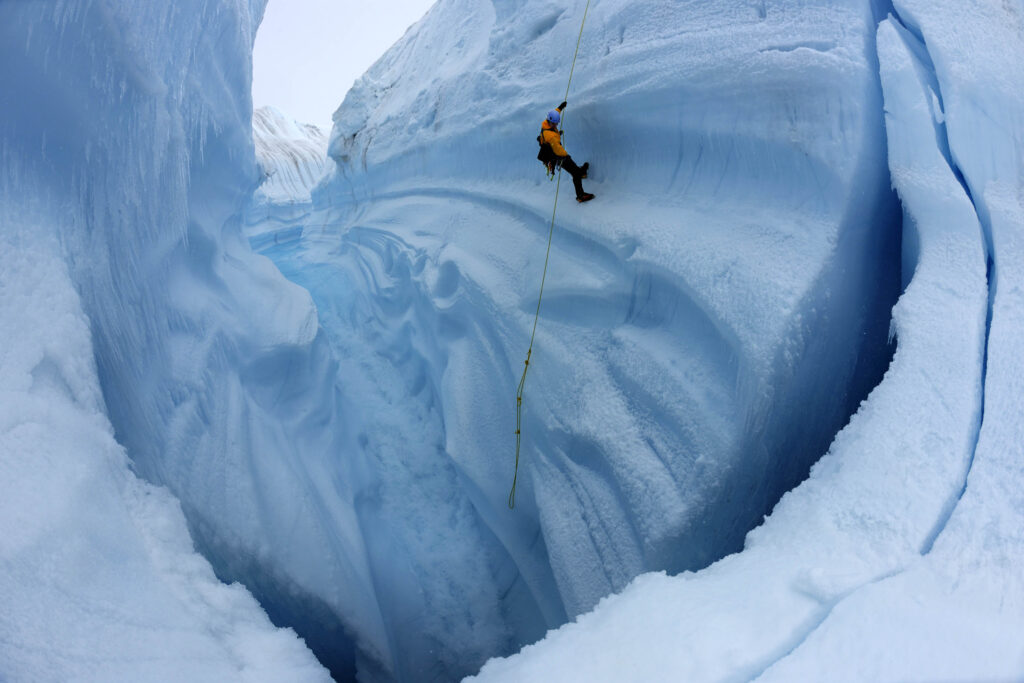
Balog later became internationally recognized for documenting disappearing glaciers through the groundbreaking Extreme Ice Survey, founded in 2007. It is the most wide-ranging ground-based photographic glacier study ever conducted, specifically to shine a light on climate change. His work was featured in the award-winning documentary Chasing Ice, demonstrating that photography can make complex scientific issues visual and accessible. The James Balog Earth Vision Awards continue that legacy by encouraging photographers to create meaningful work that helps people better understand the world around them.
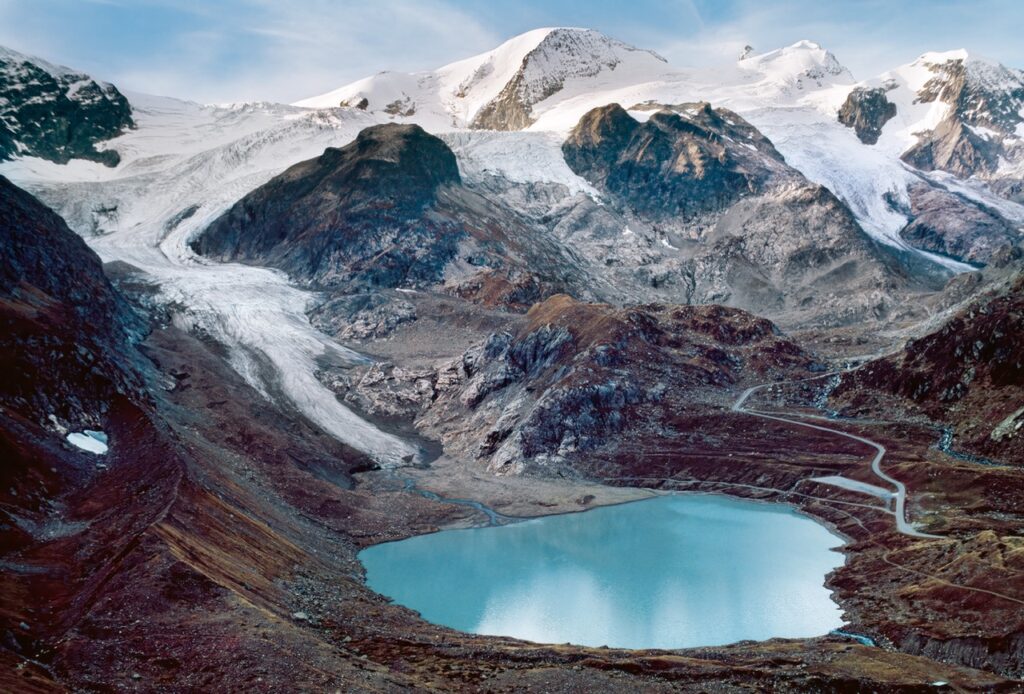
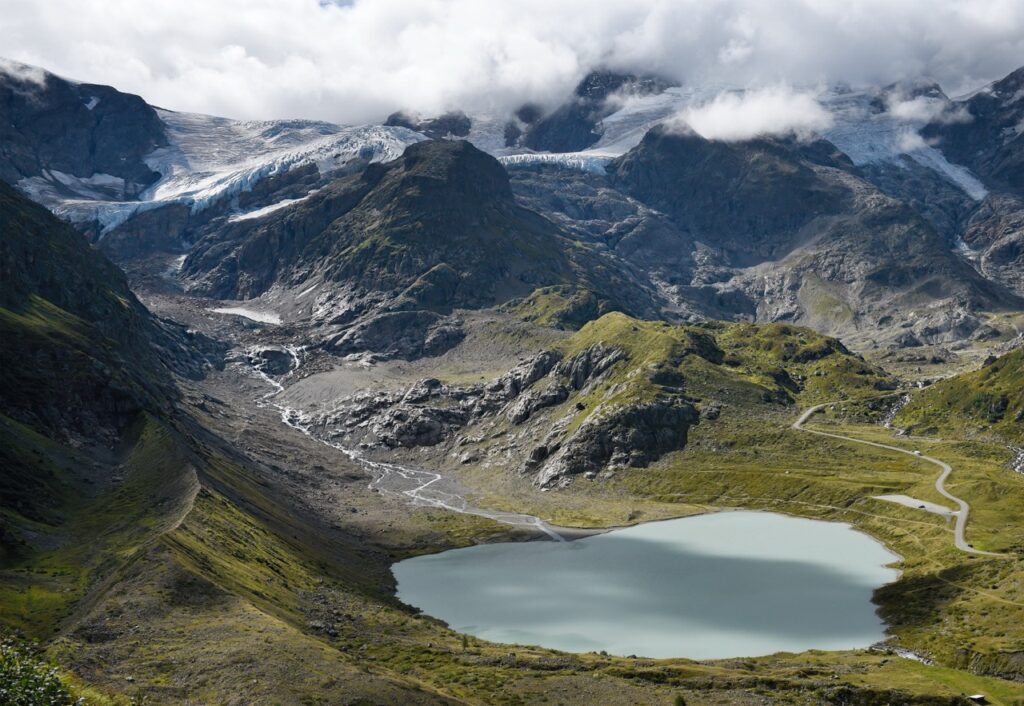
The competition, endowed by James Balog, will recognize one First Prize winner and one Finalist, awarding $40,000 and $25,000 respectively to support future photographic projects. Winners will also be honored at the Denver Art Museum in March 2027, where they will present their work and contribute prints to the museum’s permanent photography collection.
More importantly, the awards are designed to invest in photographers whose work can make a lasting contribution to environmental storytelling rather than simply recognizing a single successful image.
The jury is looking for projects that demonstrate direct engagement with environmental subjects. Documentary and interpretive approaches are both welcome, provided the work reflects genuine experience in the field. Images may celebrate conservation successes or confront difficult realities, but they must remain truthful representations of the subjects photographed.
Applicants will be asked to submit:
Important Dates
Wild Eye Magazine has always celebrated environmental photography. Photos that reveal the human impact on the planet can be informational, documentary, engaging, and beautiful.
The James Balog Earth Vision Awards recognize exactly that kind of work. If your photography reflects a deep commitment to documenting nature and the human relationship with the environment, this new award offers an opportunity not only for significant funding, but also for recognition from one of America’s leading museums and the chance to contribute your work to its permanent collection.
Applications for the James Balog Earth Vision Awards are open September 1 through October 1, 2026.
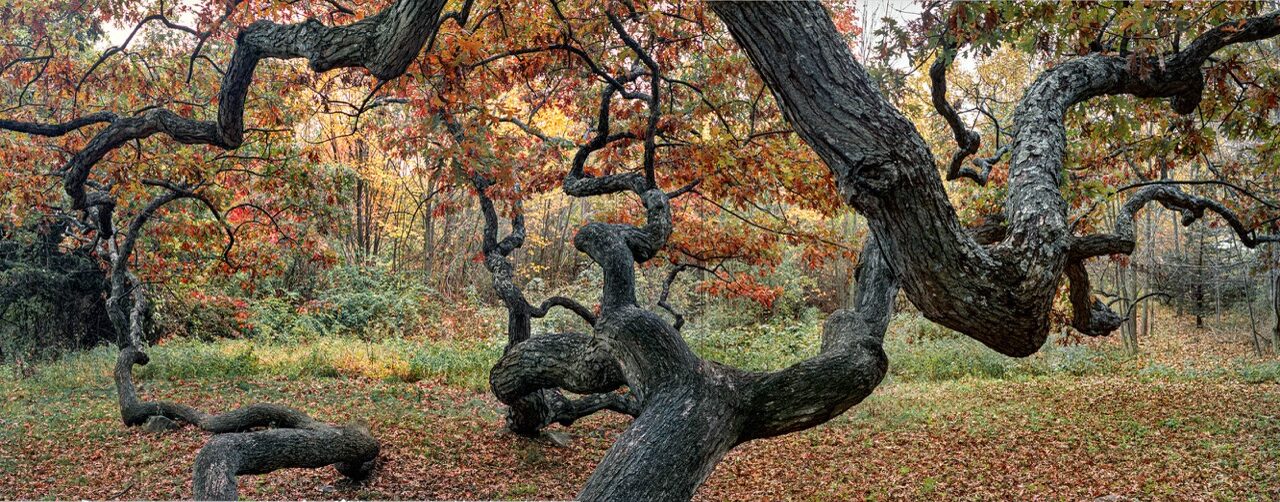
Granby, Connecticut White oak is the second largest oak in New England, photographed for the book, TREE.