Web Features
By Selina Sahba | October 2026
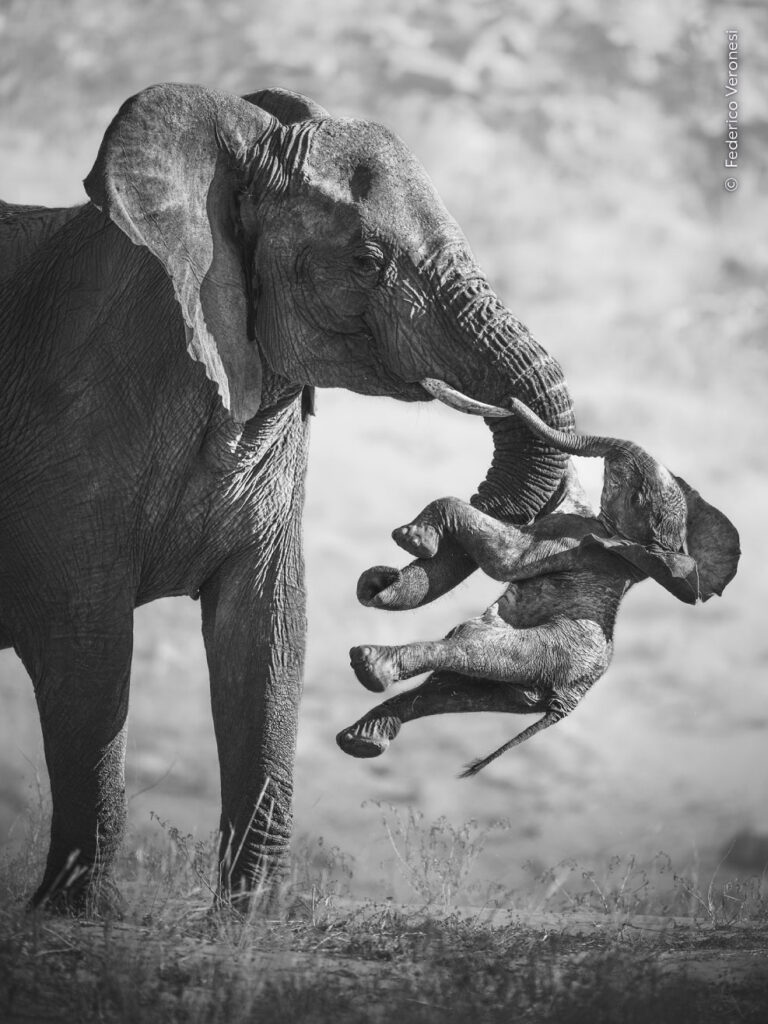
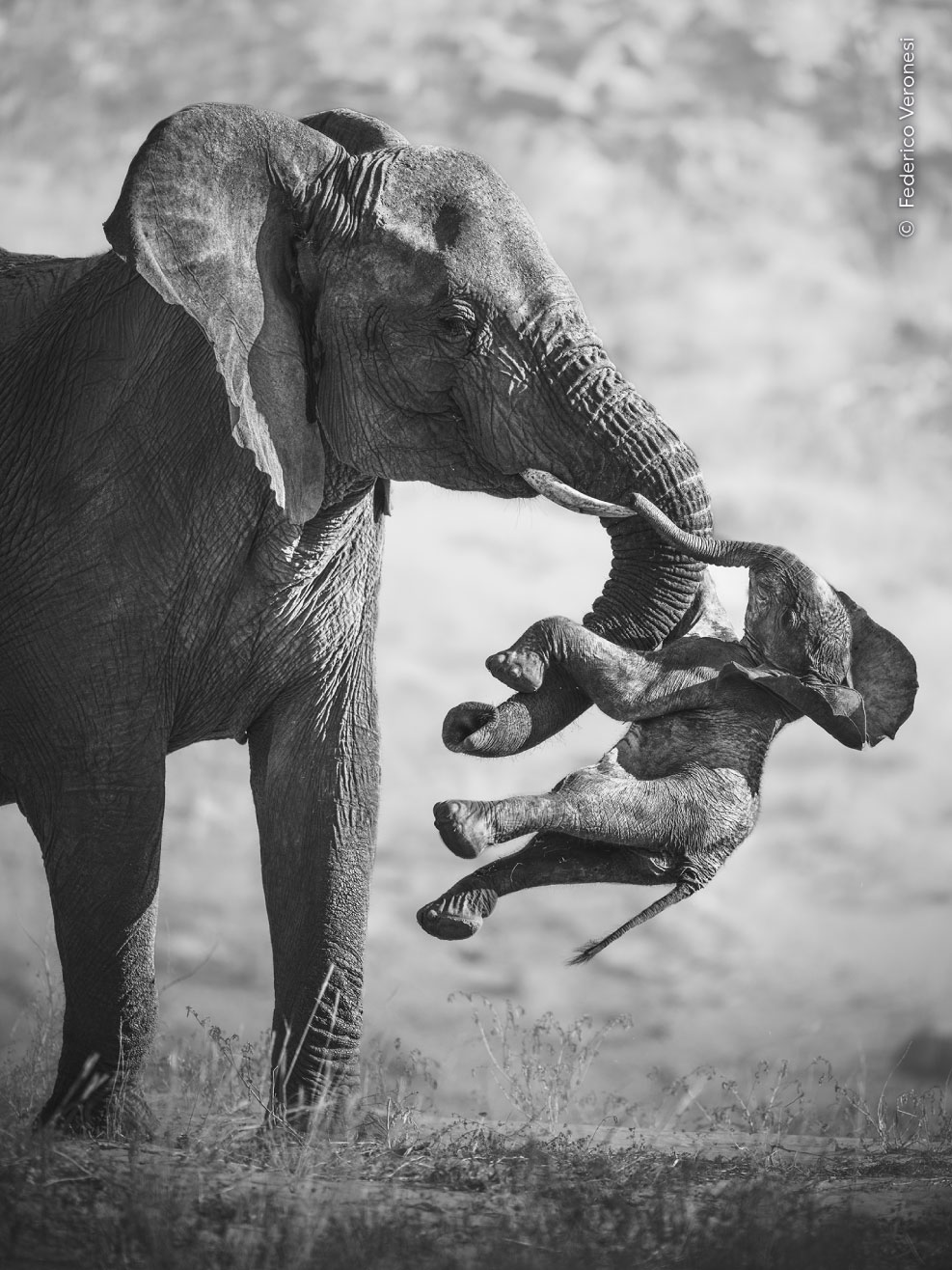
A female elephant carries a dead calf across a dry riverbed in Namibia. That unforgettable frame took the grand title of Wildlife Photographer of the Year 2026, for Italian photographer Federico Veronesi. It was chosen from a record 65,403 entries from 121 countries and territories.
Tracking elephants in the Huab River Valley, Veronesi followed drag marks in the dry sand to a family group, where a female emerged with the calf, its leg wedged between her tusk and trunk. Such death-centered behavior — guarding the dead, handling bones, carrying the deceased — is documented in both Asian and African elephants, and may signal grief, or a dawning understanding of death.
“This photograph works on so many levels,” says Kathy Moran, Jury Chair, “Emotionally it’s a gut punch, heartbreakingly poignant. Intellectually it’s proof that animals have cognition. This photograph says it all!”
In a first for the competition’s 62-year history, both overall winners took their titles in black and white.
Young Wildlife Photographer of the Year is Oscar Whitfield, a British photographer living in Zimbabwe, for “Labour of Love.” Lying flat to meet a dung beetle at eye level, he used a fast shutter speed and high light sensitivity to hold the insect steady as it pushed its cargo through sun-baked dust.
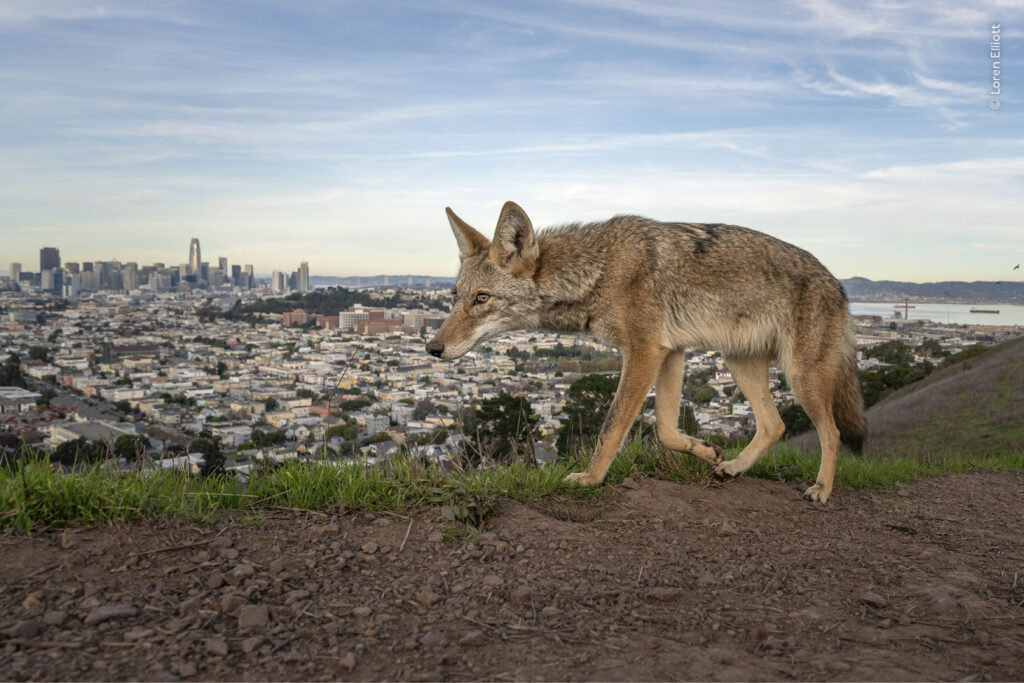
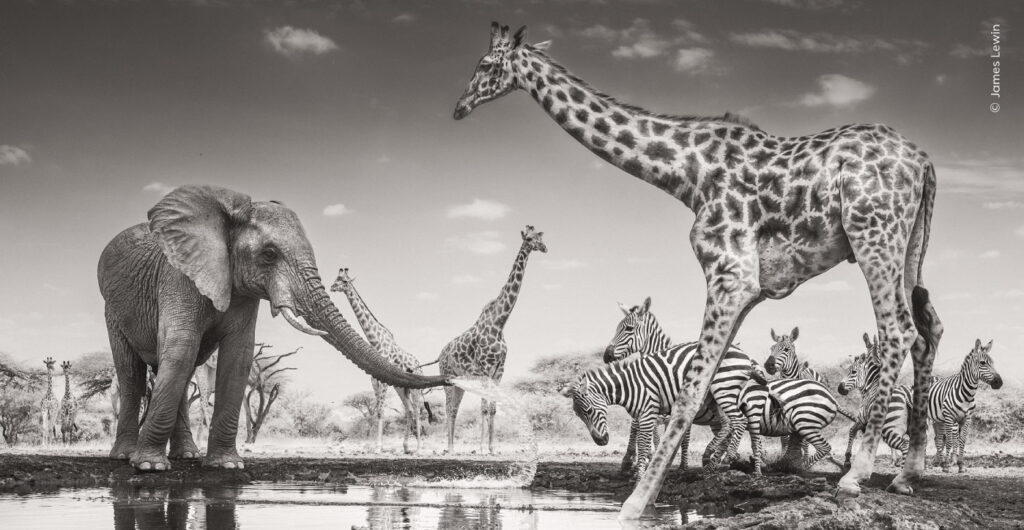
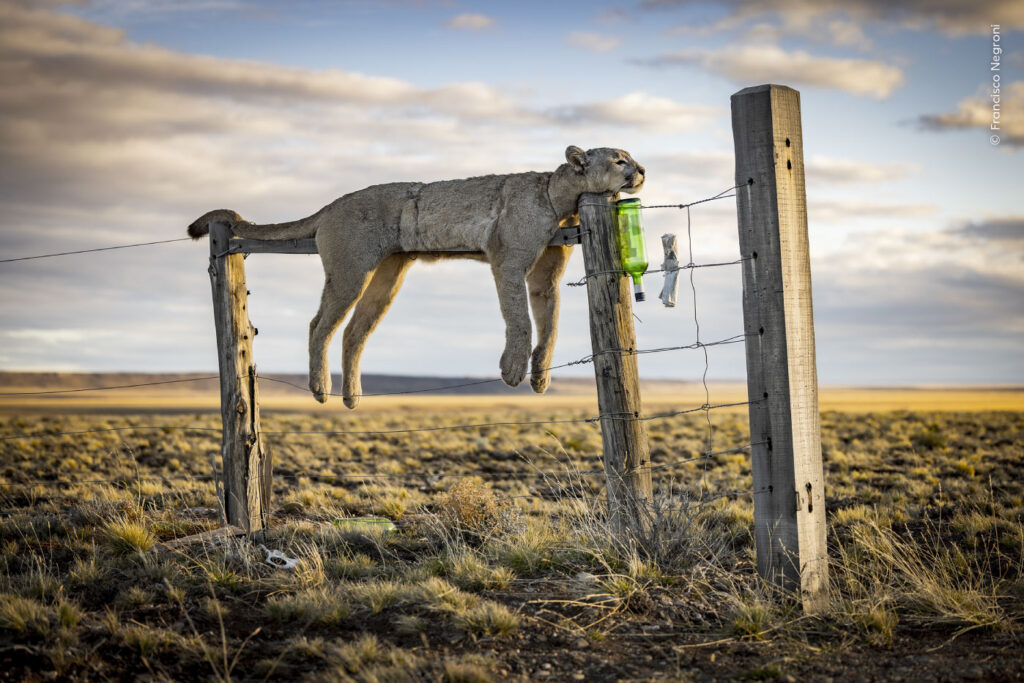
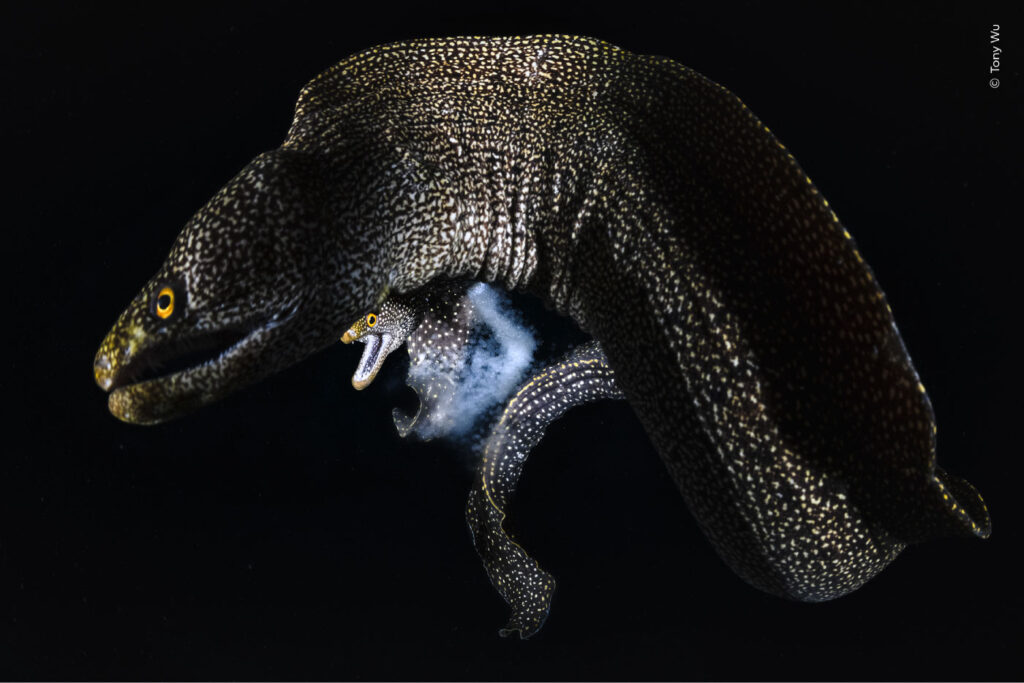
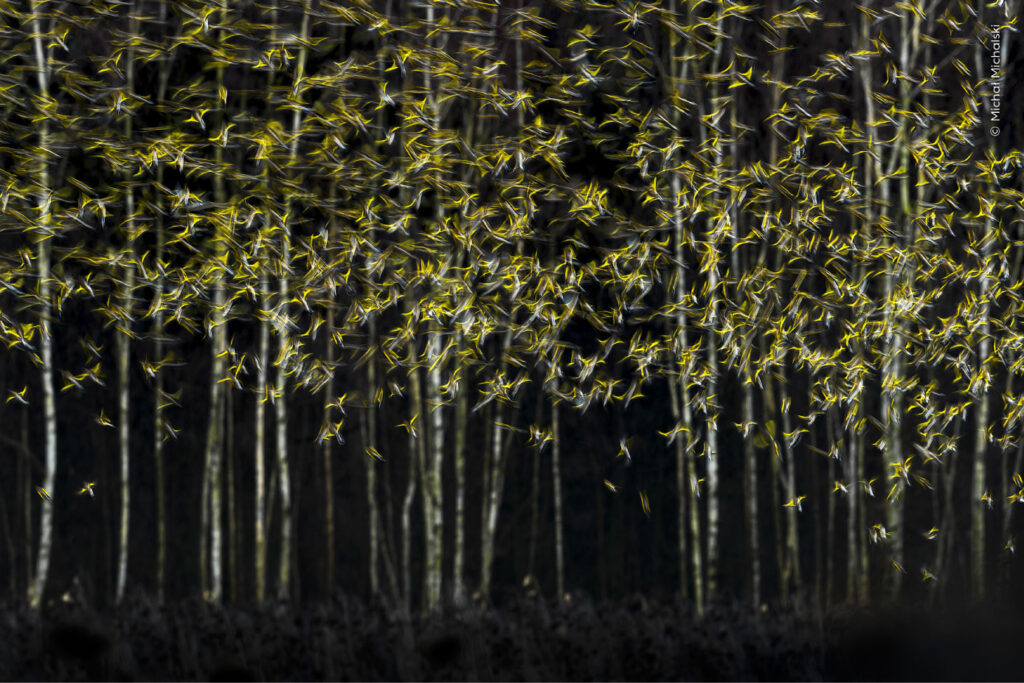
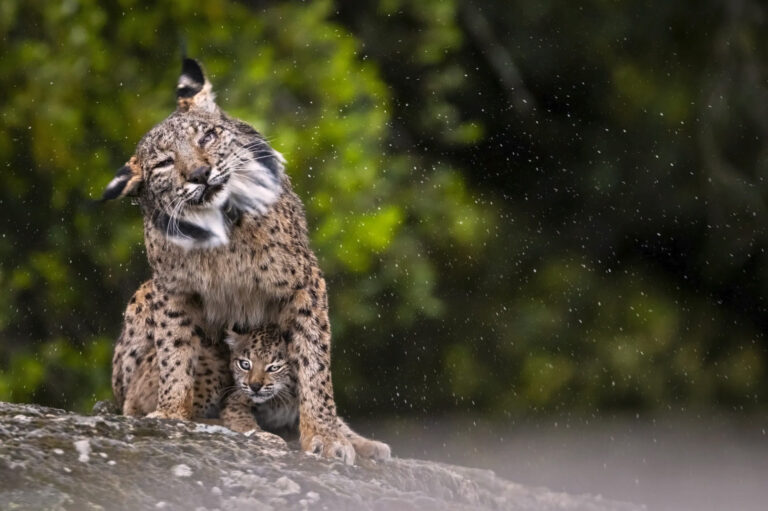
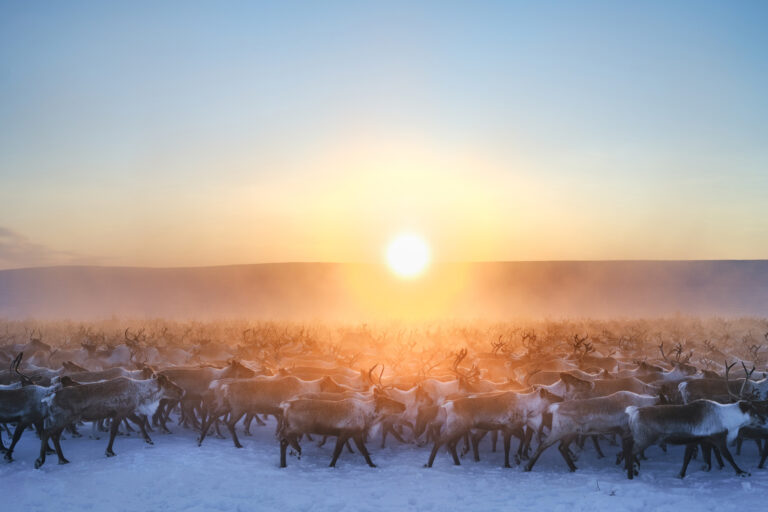
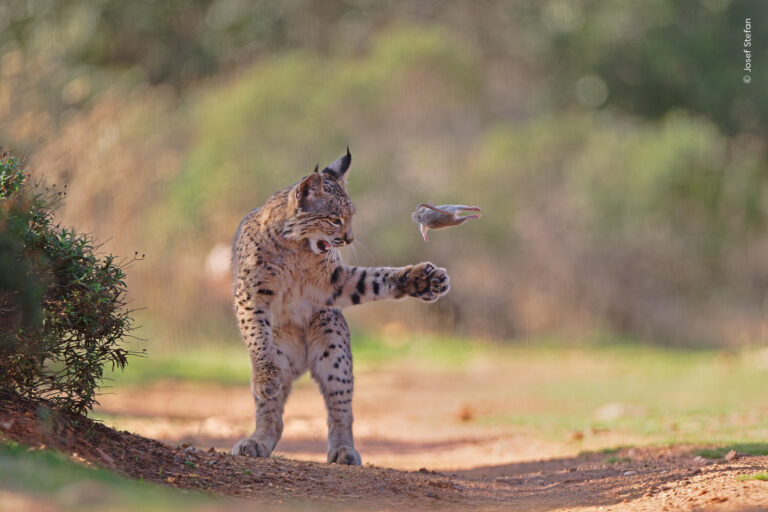
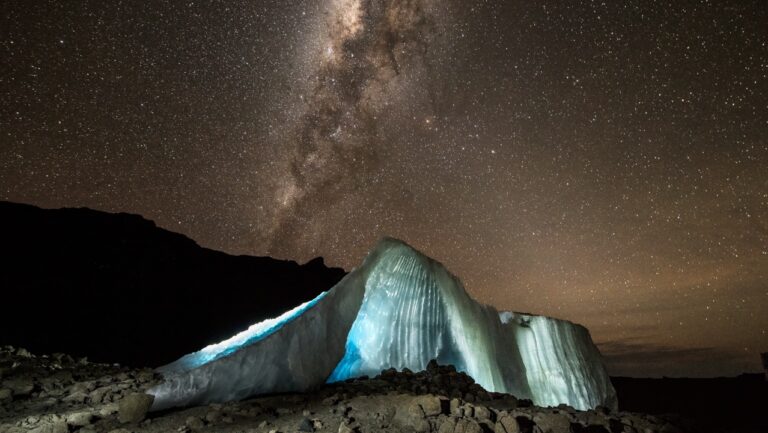
The nineteen category winners span underwater and terrestrial wildlife, photojournalism, plants, fungi and more.
The winners go on show at the Natural History Museum, London from Friday 16 October 2026 to Sunday 11 July 2027, then tour the UK and internationally. The exhibition also uses the Museum’s Biodiversity Intactness Index (BII), an official Global Biodiversity Framework indicator, to show how the habitats pictured are changing. “These photographs capture moments that are at once intimate, surprising and profoundly revealing,” says Dr Doug Gurr, Director of the Natural History Museum.