The Cost of a Changing Arctic
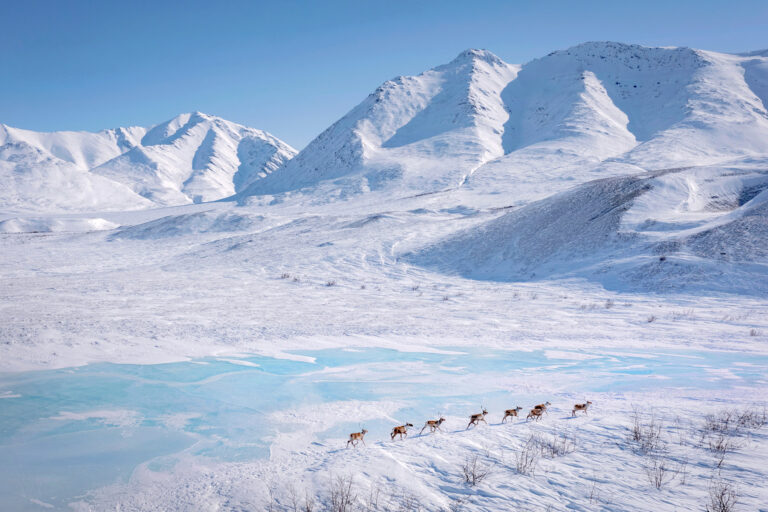
Few photographers working today navigate the intersection of visual storytelling and science with as much clarity and conviction as Katie Orlinsky.
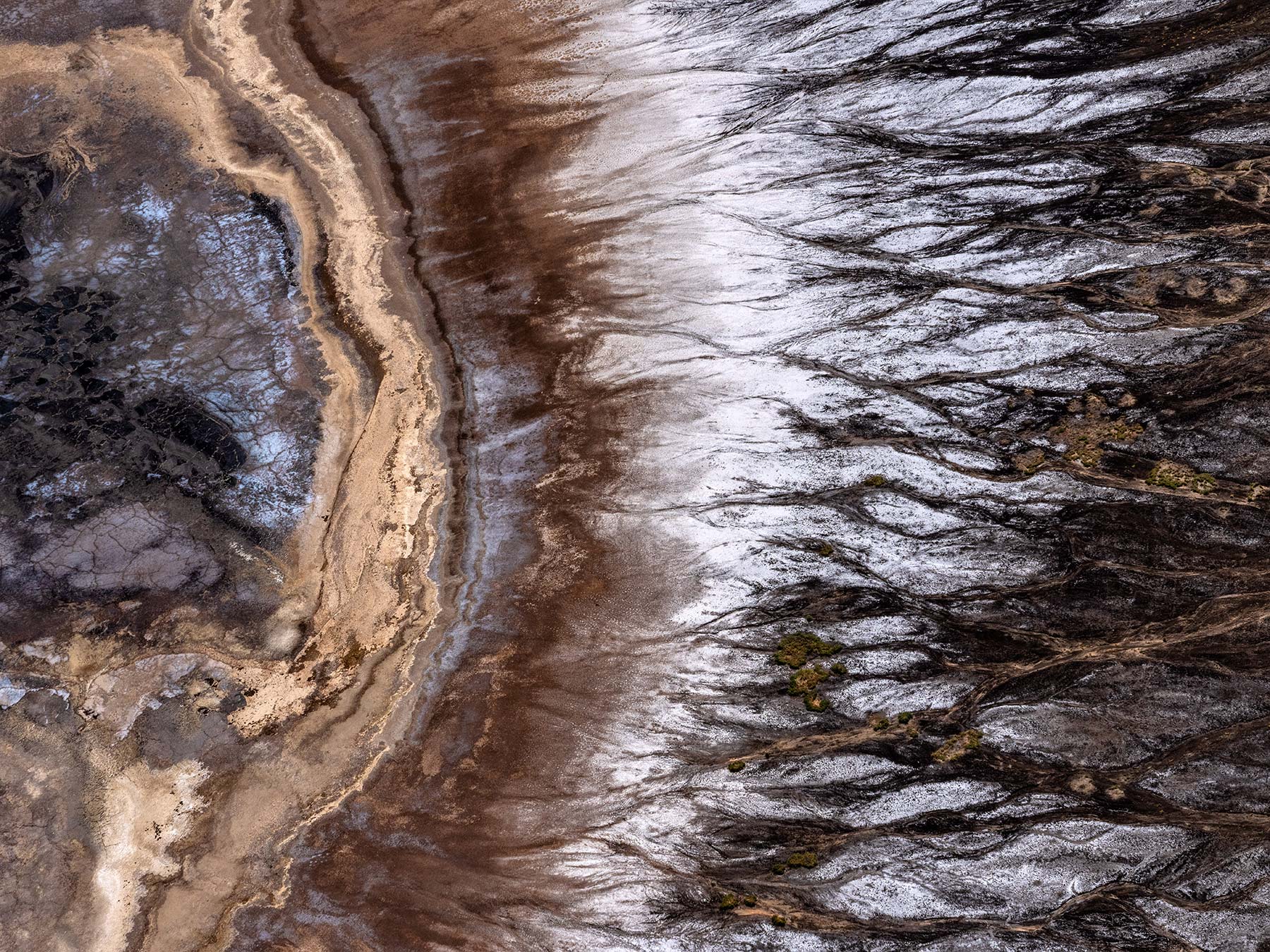
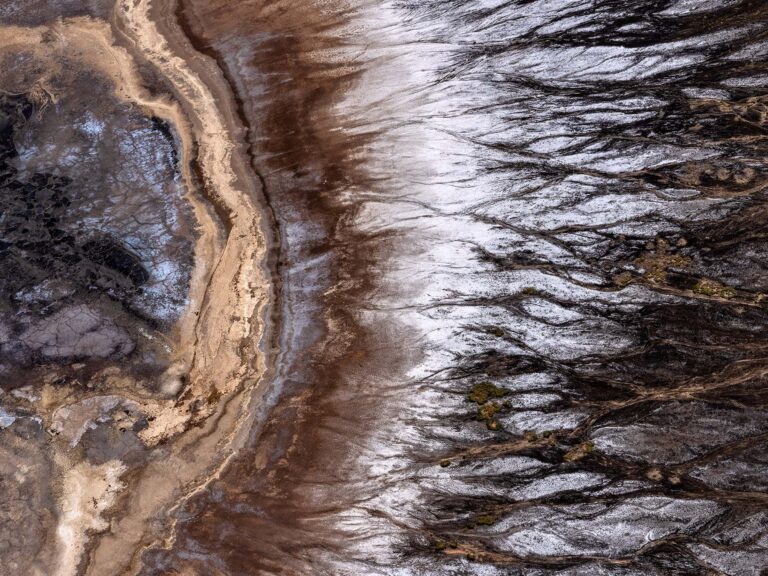
↑ Suguta Valley, Kenya Patterns of ash and mineral color mark the path of ancient lava flows, imprinting the floor of the Rift Valley with a fiery memory.
Images by Jon McCormack, Interview by Andrew Todhunter
In the introduction to his forthcoming book, “Patterns: Art of the Natural World,” photographer and Apple VP Jon McCormack describes an approach to photography in which the form “becomes not an act of capture, but communion.”
An Explorers Club member, Royal Geographical Society Fellow, and co- founder of The Kilgoris Project, McCormack began shooting pictures at age 12 — on an Olympus 35 Model IV — in the Outback of his native Australia. Guest interviewer Andrew Todhunter spoke recently with McCormack about his new book, his evolving philosophy as a photographer, and the anatomy of a single image.
Andrew Todhunter: How did the book project begin?
Jon McCormack: It started in the spring of 2020 during COVID, when we were afraid to go outside. I felt like the air could kill me. It was other people’s air that could kill me. So, the beach was a perfect place to be. I kept going back and forth to the same beach, and it changed the way I think about photography. I must have spent more than 200 days photographing about 150 feet of beach in Pacific Grove, California.
Before this period, every time I went out with my camera, I was looking for a keeper. Over time, I reached a point where I just really enjoyed being at the beach. And when I did take a photograph, I would make one composition. I would get there and take a couple of framing shots to work my way into an image, and then I’d finally settle on a composition.
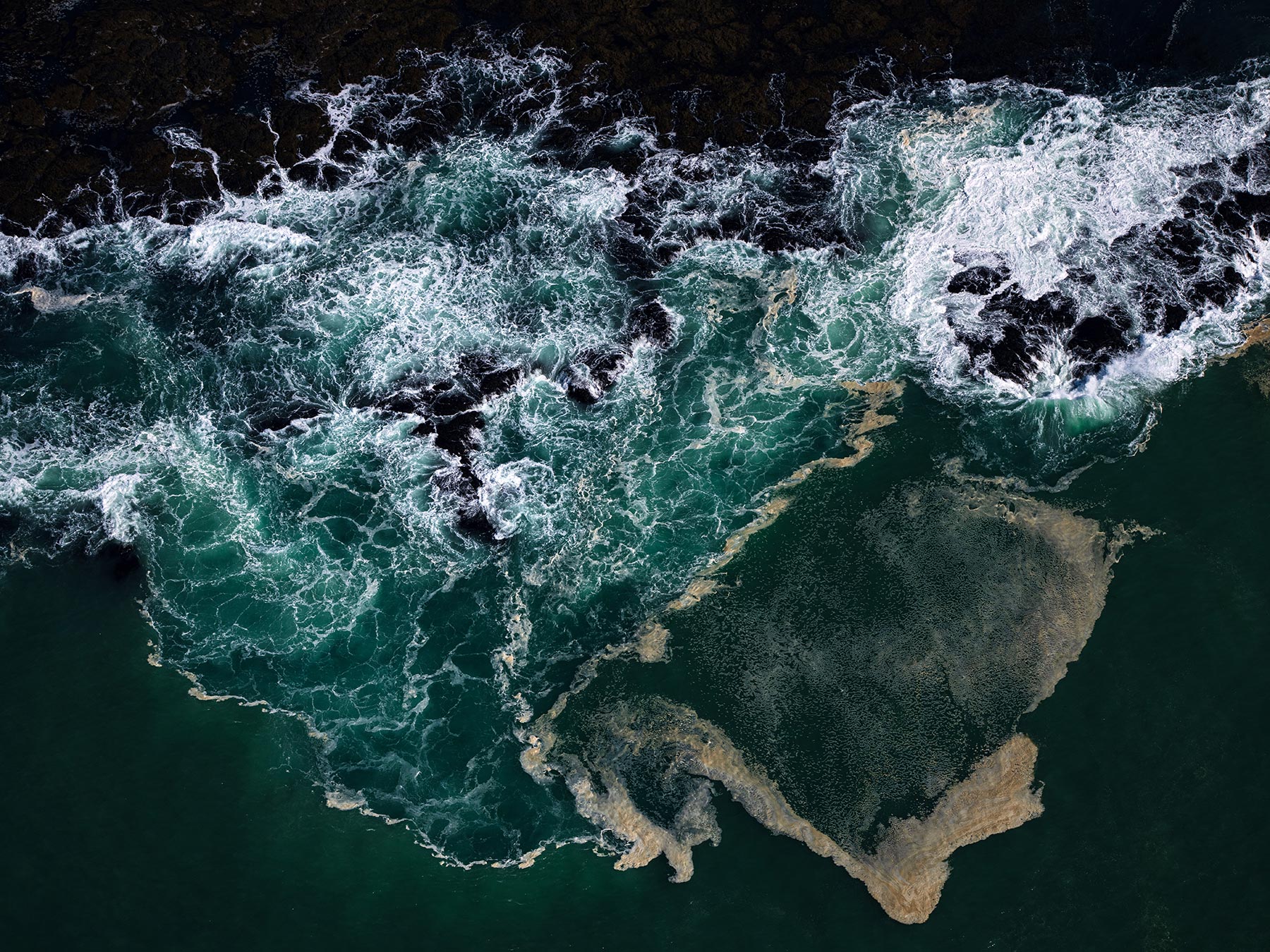
It was a very meditative process, because I wasn’t thinking, “Okay, I took that picture — now I’m off searching for the next.” I merely stood and watched, and a lot of the time I wouldn’t even look through the viewfinder. It was a way for everything to just really slow down. And it got me to a place where I was really, really enjoying being there, being part of the landscape. And in watching the waves, I noticed patterns form and reform and form and reform. Soon, I began seeing patterns everywhere and appreciating their beauty in both form and repetition. What ensued was a pursuit of capturing nature’s patterns and the desire to share my awe.
AT: Can you talk about the significance of the book’s title?
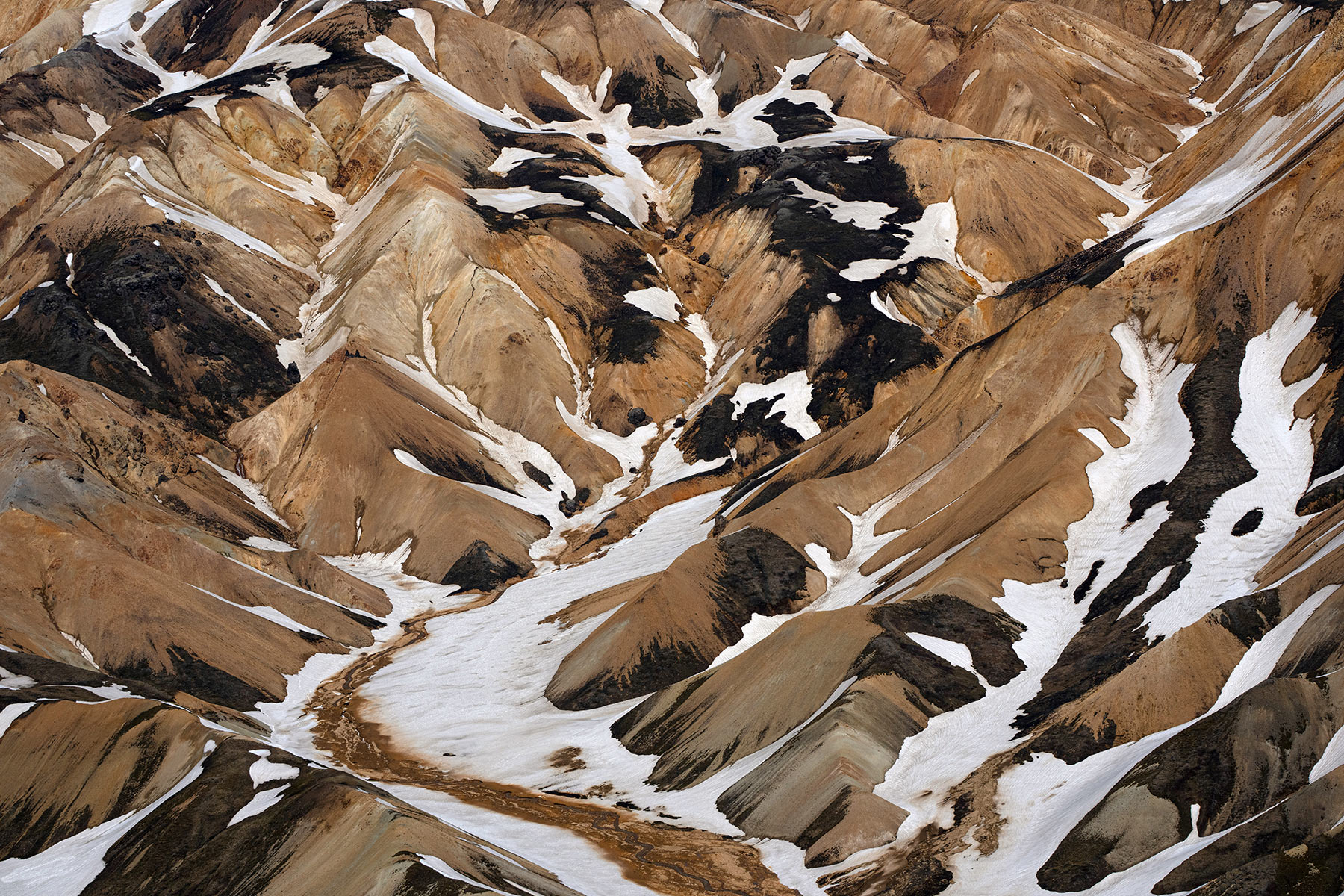
JM: The brain, our visual system, isn’t a passive camera. It’s actively seeking patterns. And finding patterns helps us organize our world visually. It helps us know that things are okay. There’s something special about natural patterns. If you think of patterns in constructed environments, they’re predictably regular. They’re boxy and cornered, and generally unsurprising. Natural patterns are different. Think of waves, trees, fractals.
They repeat, and therefore they’re visually comfortable, but they’re irregular. So, they’re also surprising and engaging. And engaging with natural patterns activates the brain’s reward system.
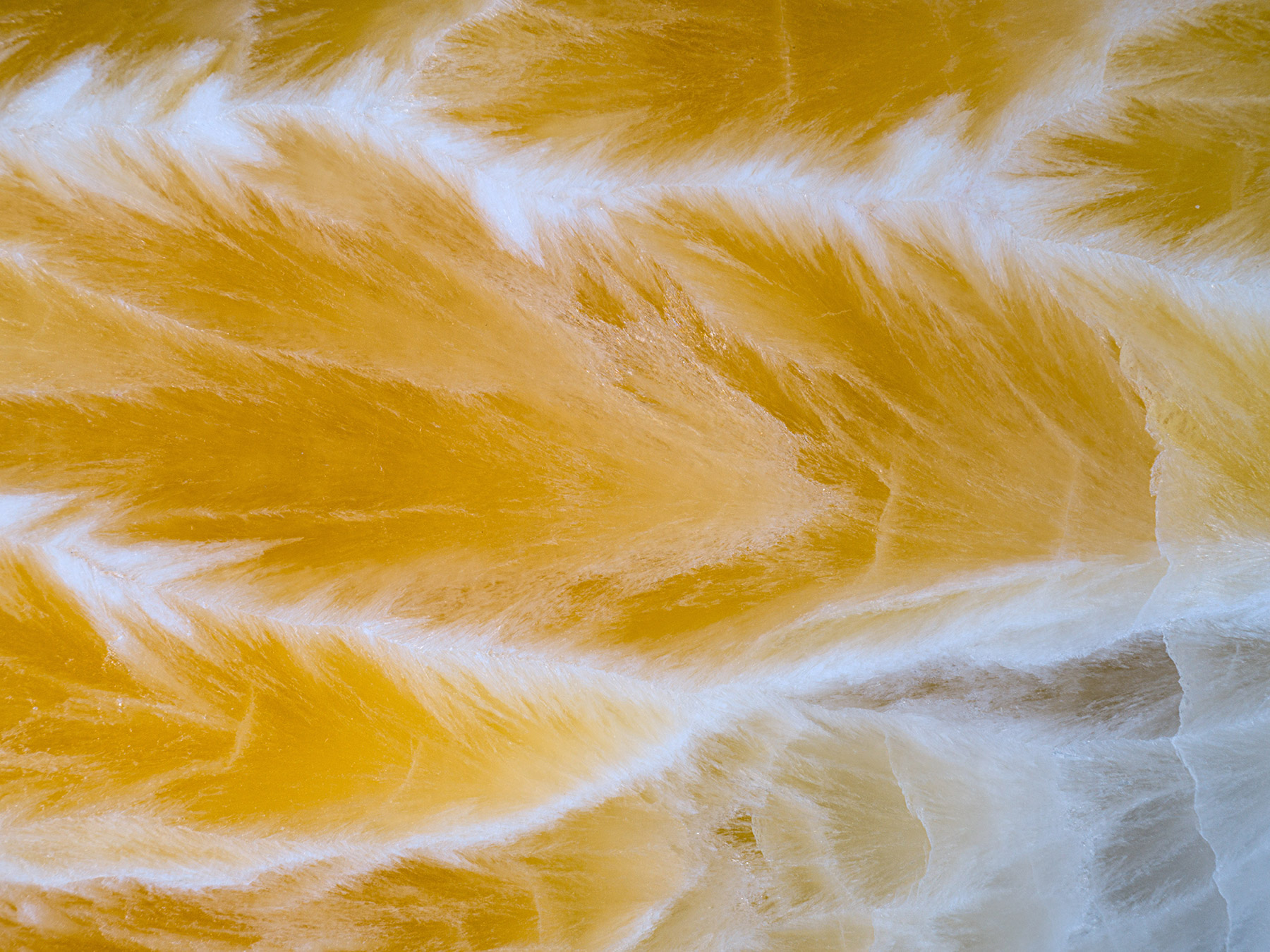
I really wanted to encapsulate that in a book, where someone looks at an image and thinks, “What on earth are these things?” And then they read the caption, and think, “Oh my, these things that I thought were a bunch of buttons, are tiny single-celled animals with skeletons made of glass. And there are a thousand of them in every teaspoon of seawater. Wow.”
AT: What happens to the mind, over time, through the process of taking photographs of the natural world?
JM: If you stand in a Yosemite meadow towards the end of April at night, and a moonbow starts to form at the base of Upper Yosemite Falls, you can’t help but recognize that you’re part of something bigger.
For me, the trick isn’t thinking, “Oh wow, I need to take a photograph of that and show other people I’m here.” I try to hold on to that sense of “I’m here, and this is amazing.” There’s always the question of being a photographer versus being human. At the end of the day, I’ve set myself a job. I’ve gone somewhere to take an interesting photograph. And given the scarce resources of time and money, I want to be successful. The last thing I want is to walk out of an ice cave and not have a real memory or a real experience.
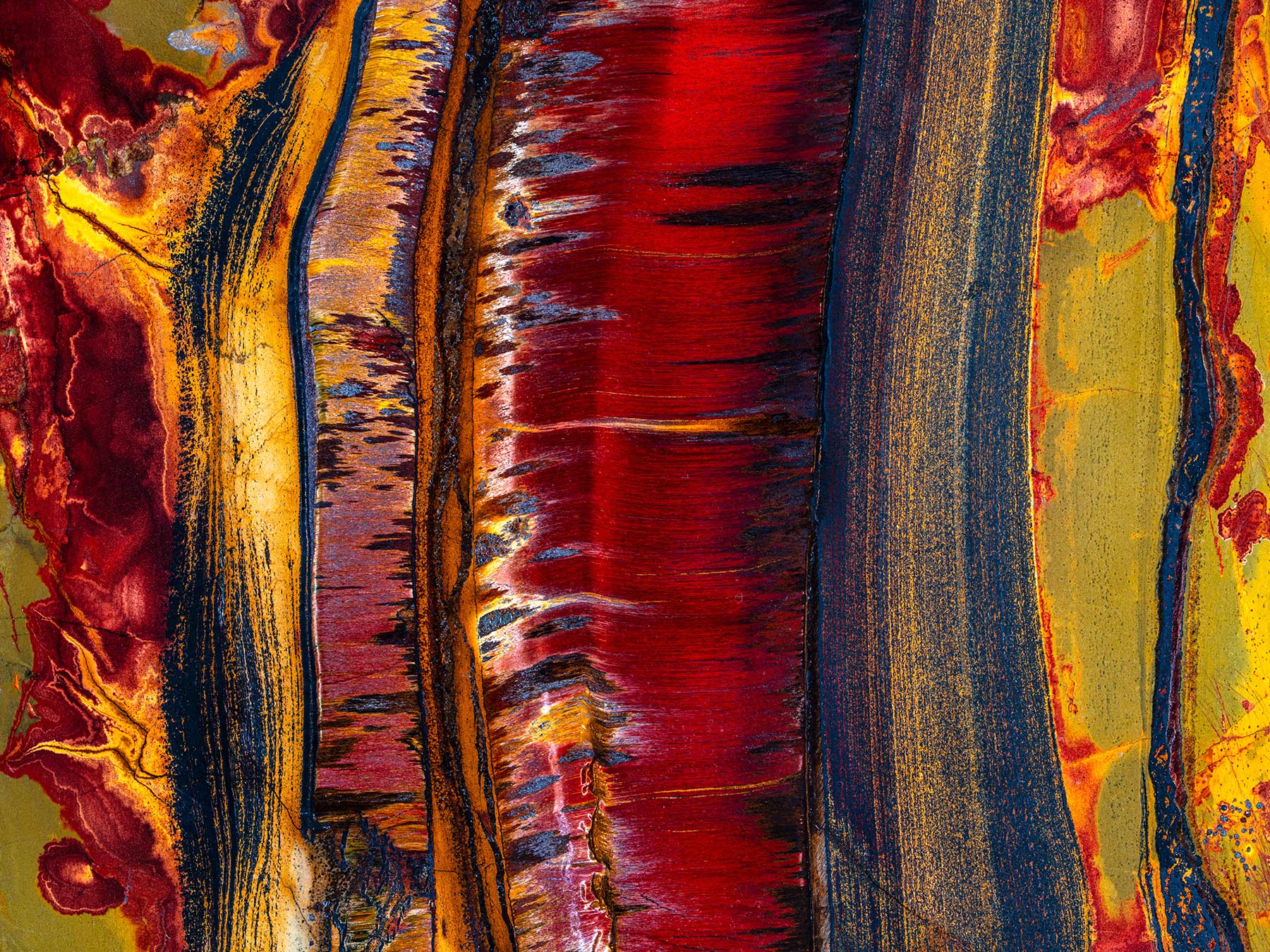
I began seeing patterns everywhere and appreciating their beauty in both form and repetition.
AT: What are your plans for the book?
JM: The thing that I so deeply believe in, the reason I did this book, is because I want people to see how magical this world is. I’m not that focused on galleries. I’m much more interested in open space, public space exhibitions, and museums. I want people to see it. I don’t want my work to be collected by people with too much money or only seen by people who go to a gallery. I want it in subway stations and on the sides of buildings. And that’s where the work is going.
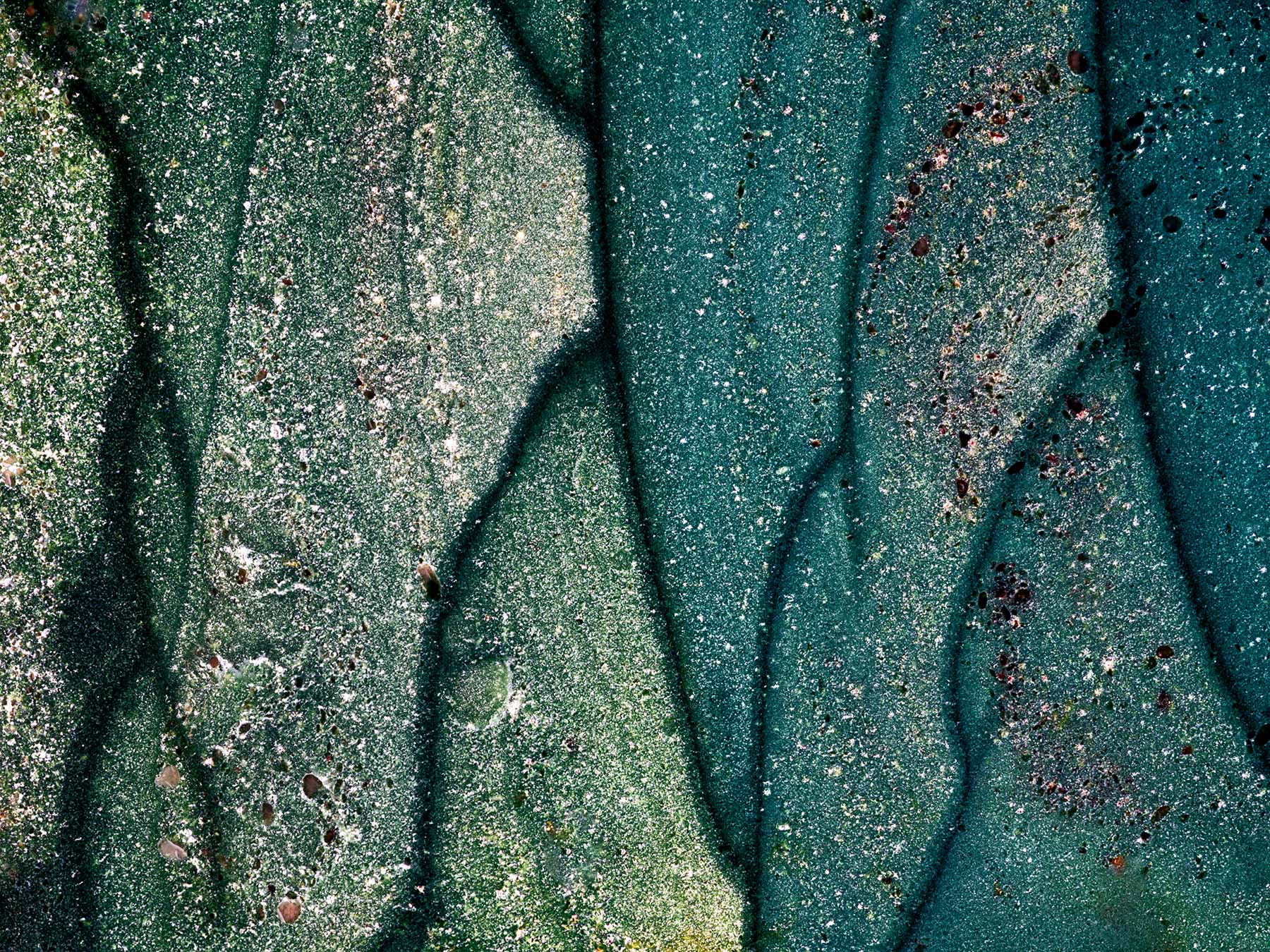
I’m launching the book on Earth Day at Photoville Festival in a highly trafficked area in Manhattan, because I want people to see this body of work. I also want the work to go to places where it’s going to engage those who have no reason to think about the environment. Just off Wall Street at the South Street Seaport, for example. And this is exactly where I want it, because I want people to walk past these photos and think,
“What on earth is this? Wow.”
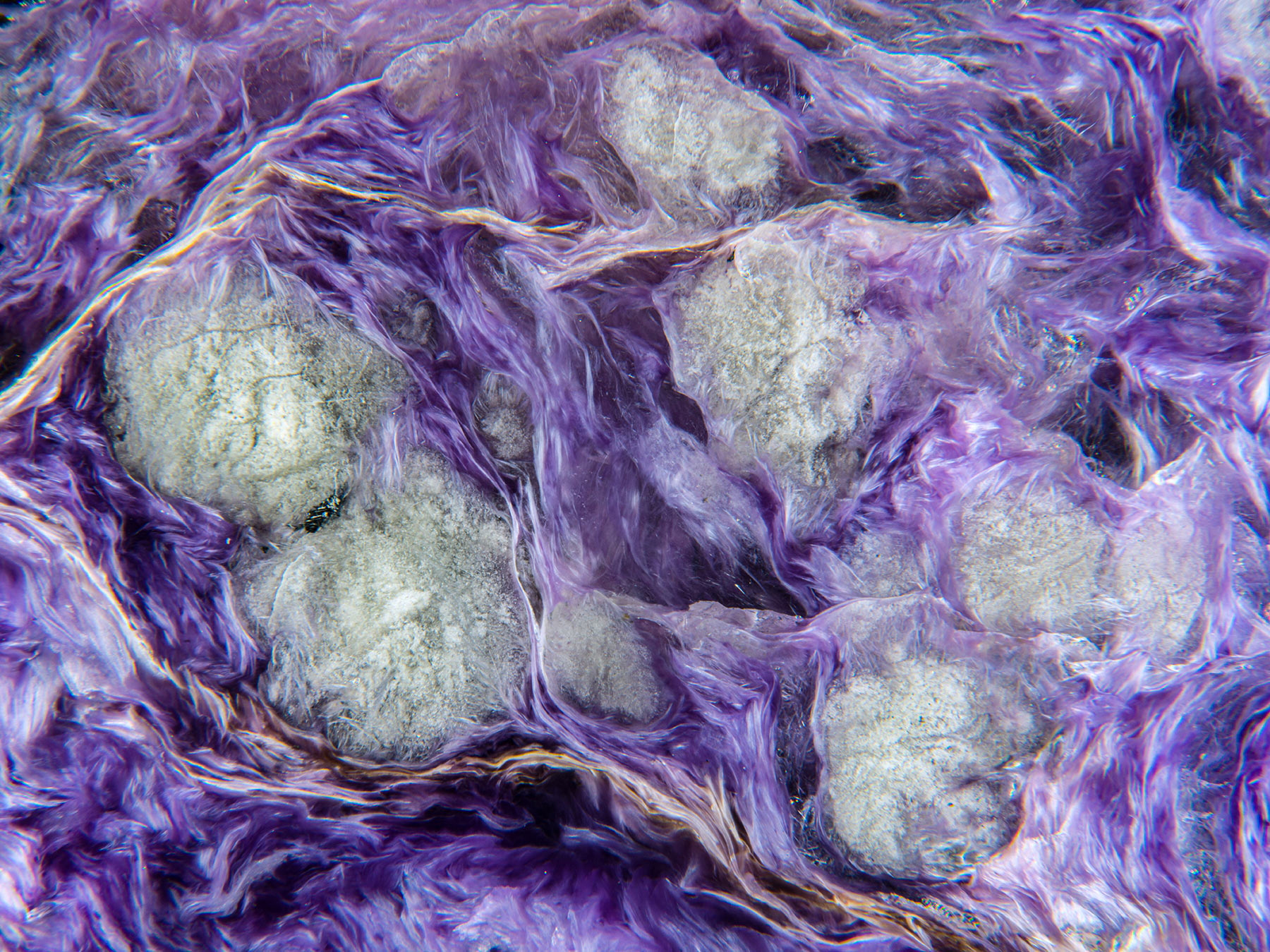
AT: Can you take us through the experience of making one of the photographs in the collection?
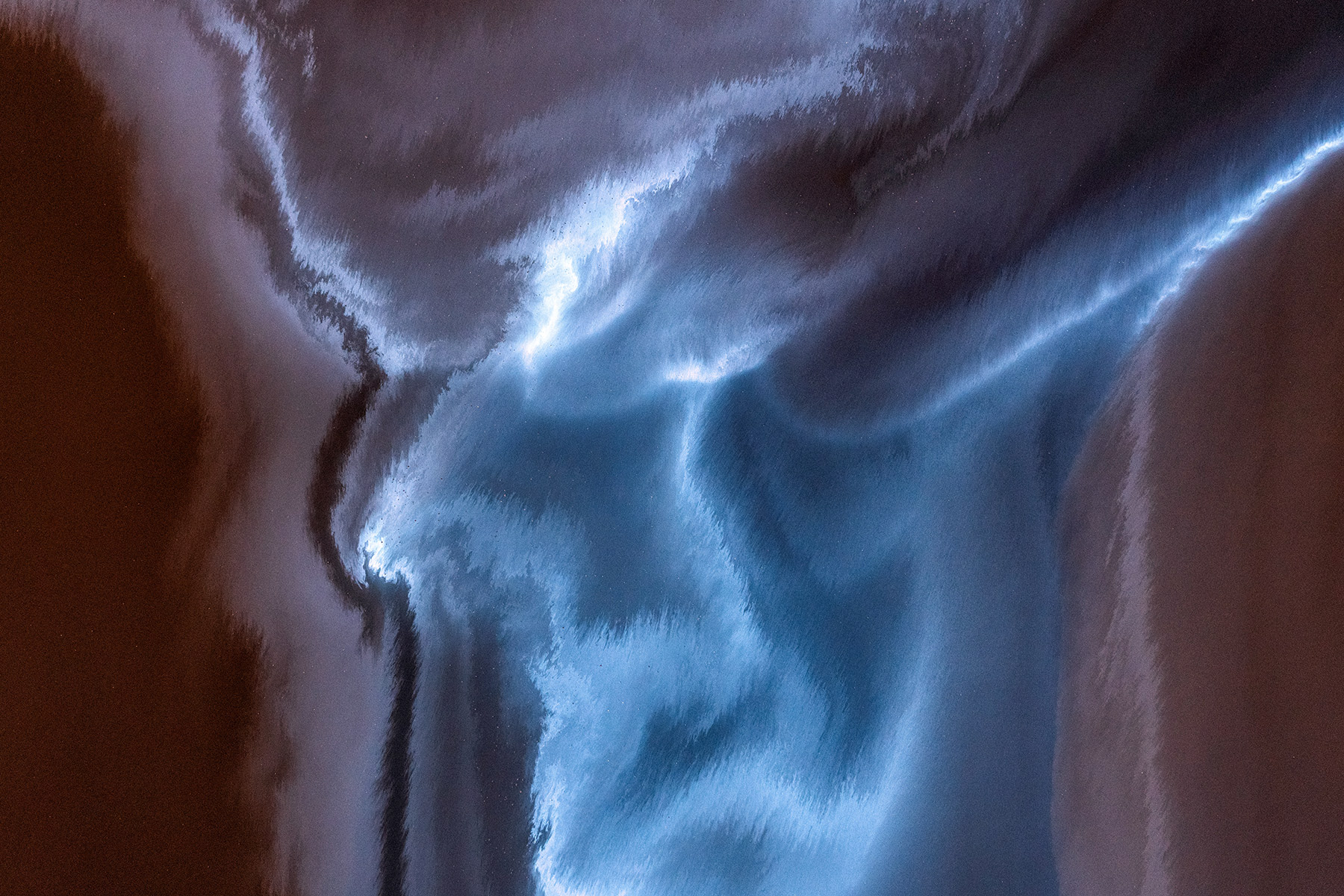
JM: There’s an image of a frozen waterfall inside a cave of black ice in Iceland. Of all the places in the world that I love to photograph, ice caves are by far at the top of the list. They’re stunningly beautiful and have a majesty that’s unlike anything else I’ve ever felt and seen. There’s a contrast that’s deeply unsettling when you walk into an ice cave. It feels like a transition between worlds. You go from the mess of the external world and into this incredibly quiet place. The only sound you’re likely to hear is running water, and there’s pattern, texture, and color everywhere. There are cracks in the walls and beautiful ripples and sculpted ice.
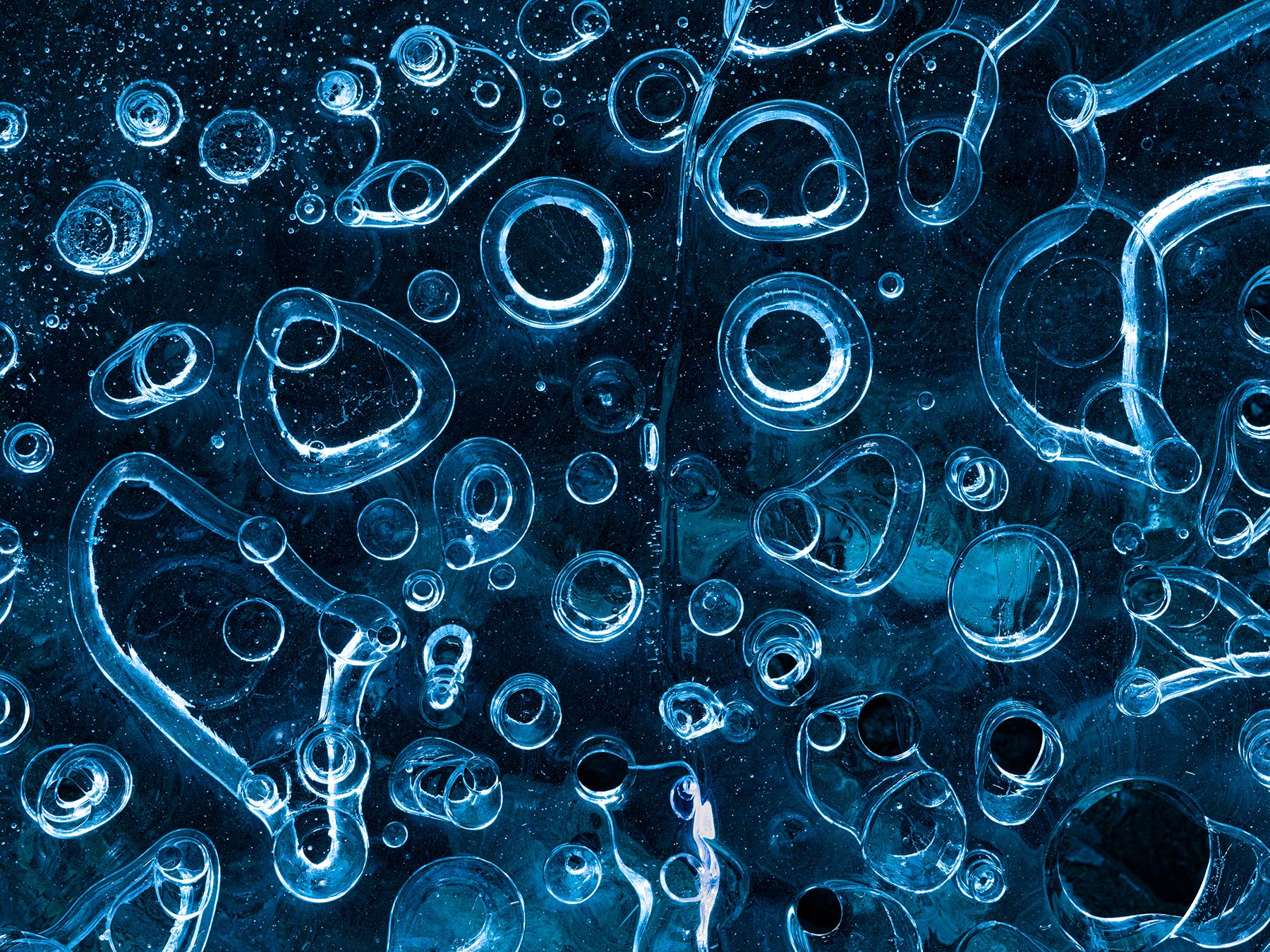
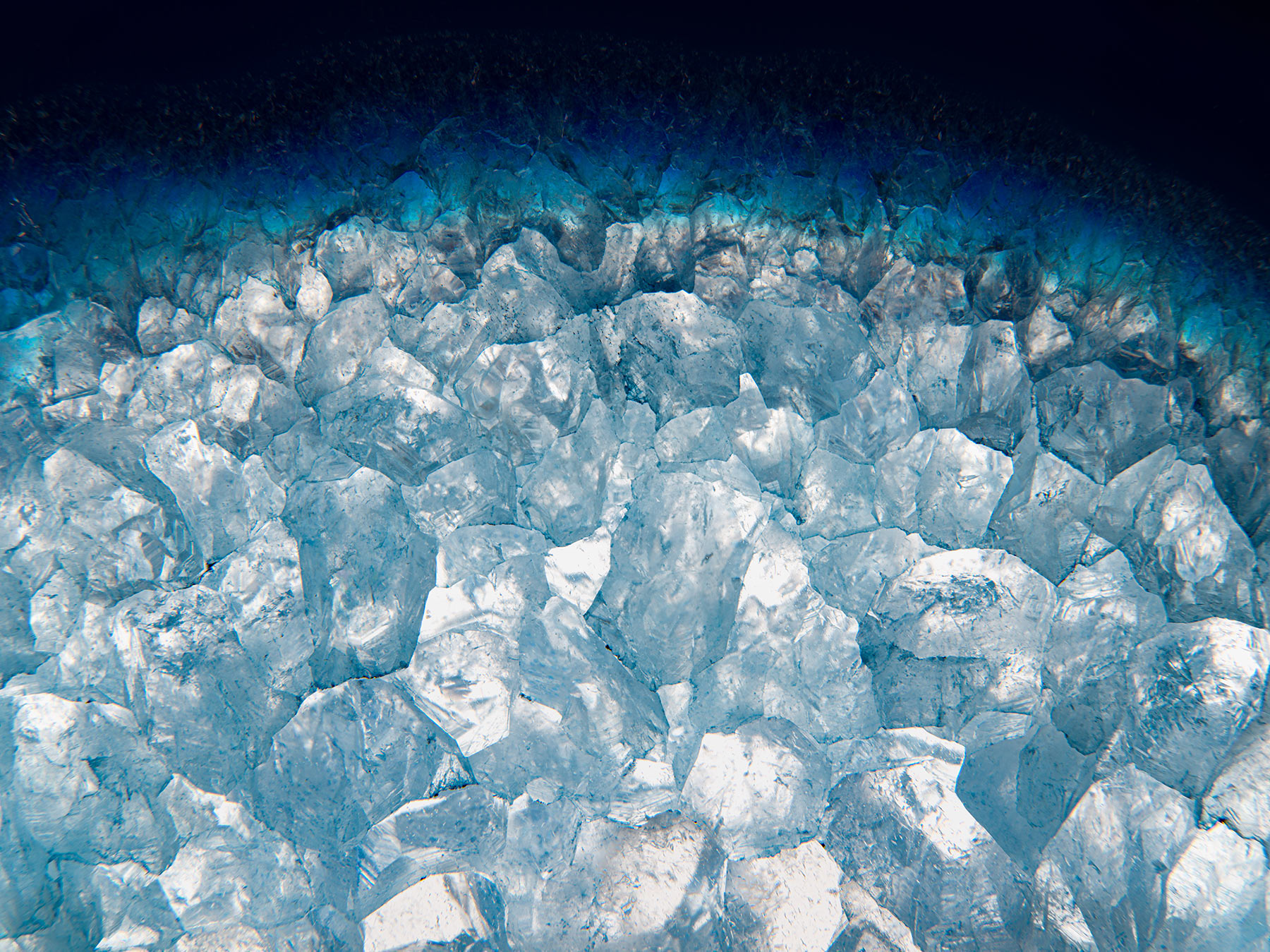
It often makes me think of a Fabergé egg, as they’re incredibly detailed and unbelievably fragile, made with precision by a master craftsman. I’ve spent a lot of time in ice caves in Svalbard and Iceland, so mid-Arctic and high Arctic, and there’s no other experience like it, in part because they’re so otherworldly. The carvings are spectacular — everything from teeth to rivers, and there’s a huge variety of blues. As the ice compresses over the years, the air gets squeezed out, so the older ice is a deep, beautiful cobalt blue. You get these fascinating layers of color, from the more virgin ice, which is white, going back into shades of blue until you get deeper into the ice cave, which becomes a deep blue.
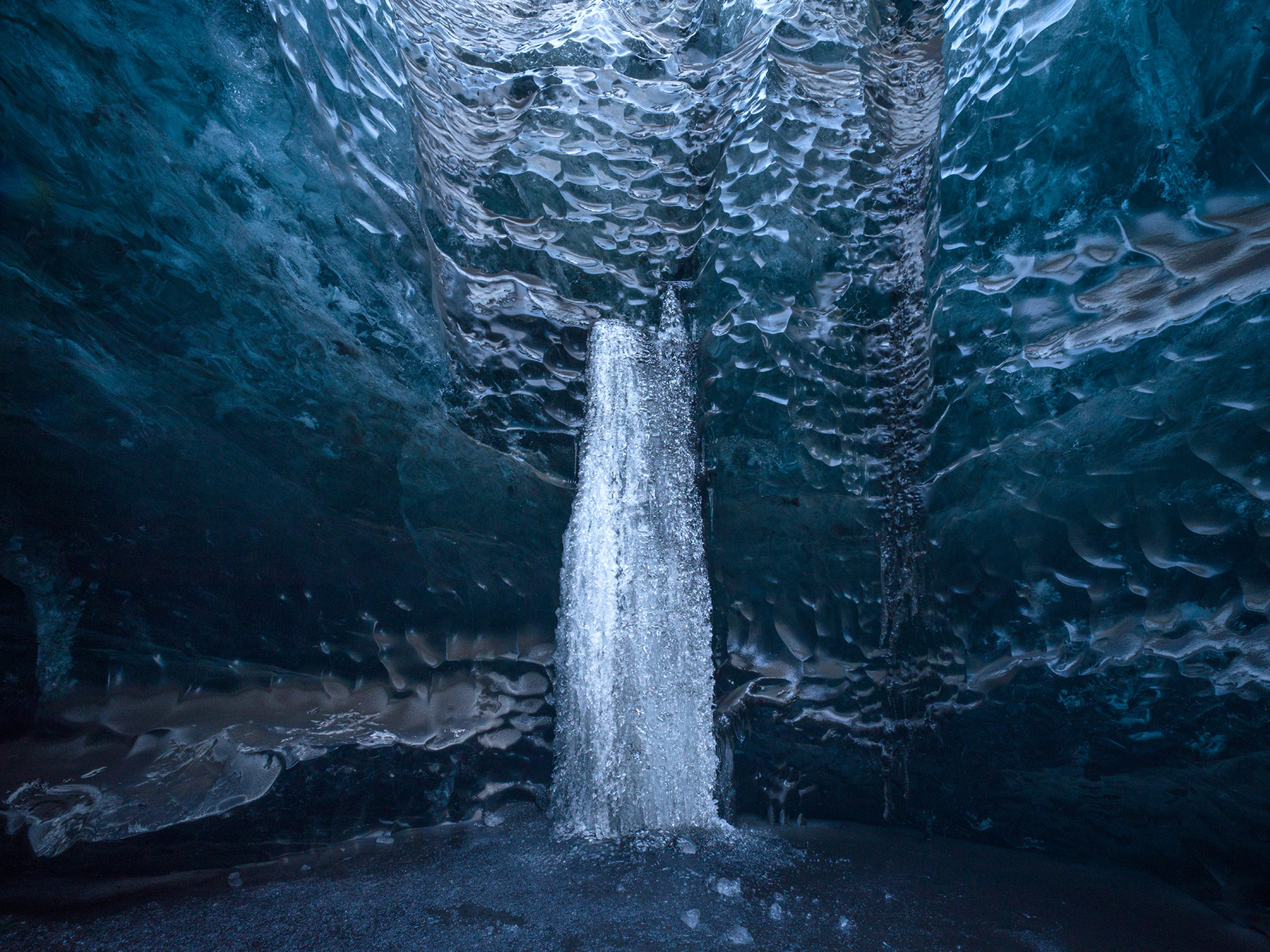
The most surprising cave I’ve seen was a black ice cave in Iceland’s Vatnajökull ice cap. That’s the cave in this photograph. The ice is black because it has lava ash frozen into it. It’s often very hard to find an interesting composition in an ice cave, because there’s a lot there. Typically, I’ll put my backpack down and just walk to the end of the cave without a camera. I may do this a few times, and I’m careful to slow down because I want to be absorbed in feeling what the cave has for me.
At the back of this black ice cave, there was a moulin, or vertical air shaft, open to the sky 30 or 40 feet above. It was like walking into an open-air cathedral, and at one end, on a rippled black wall, there was a frozen waterfall coming out of it. It was about 10 feet high and looked like a figure or statue in a museum. It was a bit like a shroud, like nature in its funeral attire. It was this staggering piece of nature’s art.
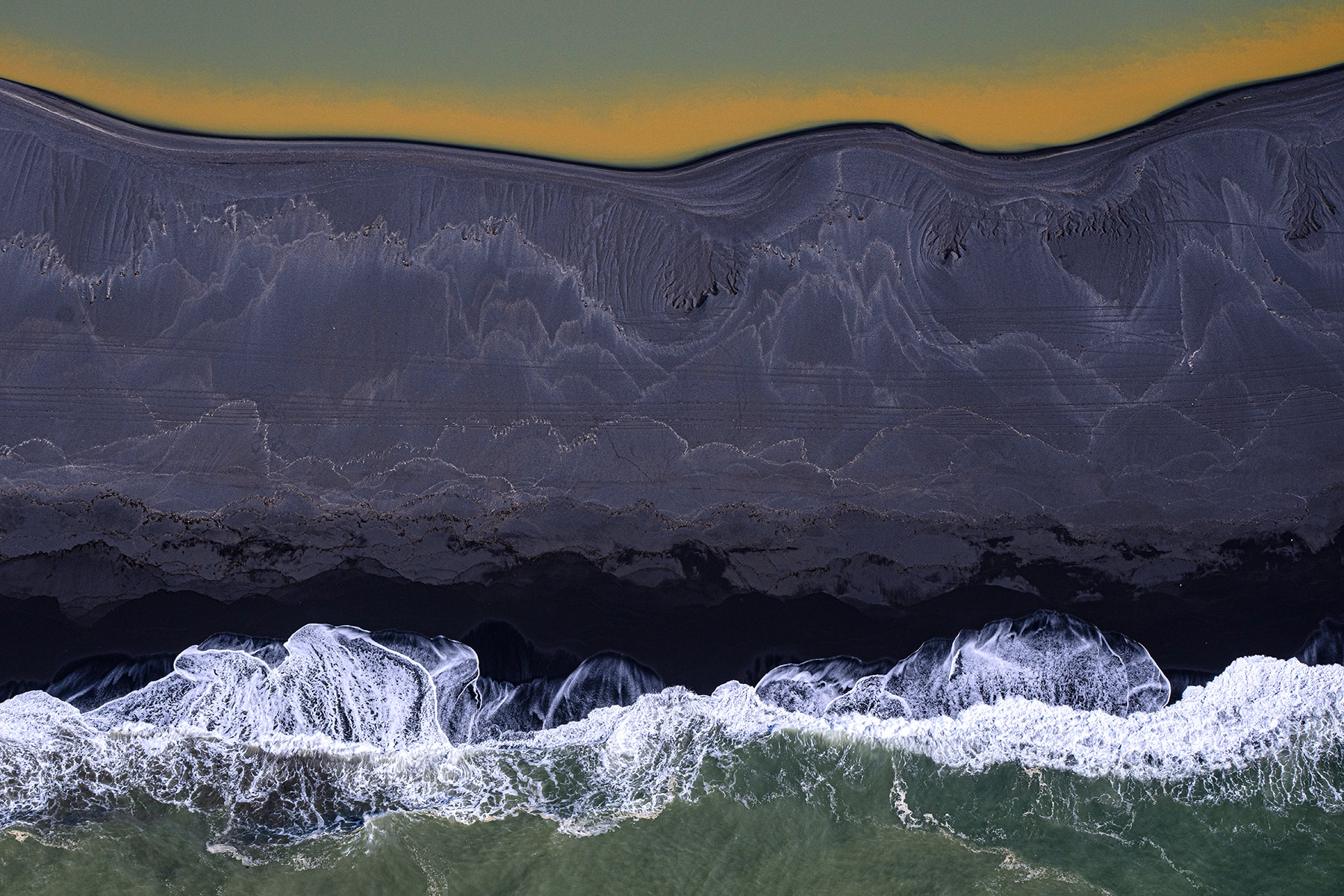
It was one of those sorts of shocking things that I almost didn’t photograph. My first thought was, “Oh, that’s just too easy. The ice cave gods couldn’t have just served something like that up for me.” But finally, I set everything up and took the photograph, and in this case, taking the photograph was a very small part of the experience. It was a very simple photograph to make. I put the camera on a tripod and took five frames in case something went wrong. It was lit from above with cloud cover, and the actual shooting took less than a minute. Then I had nothing more to say.
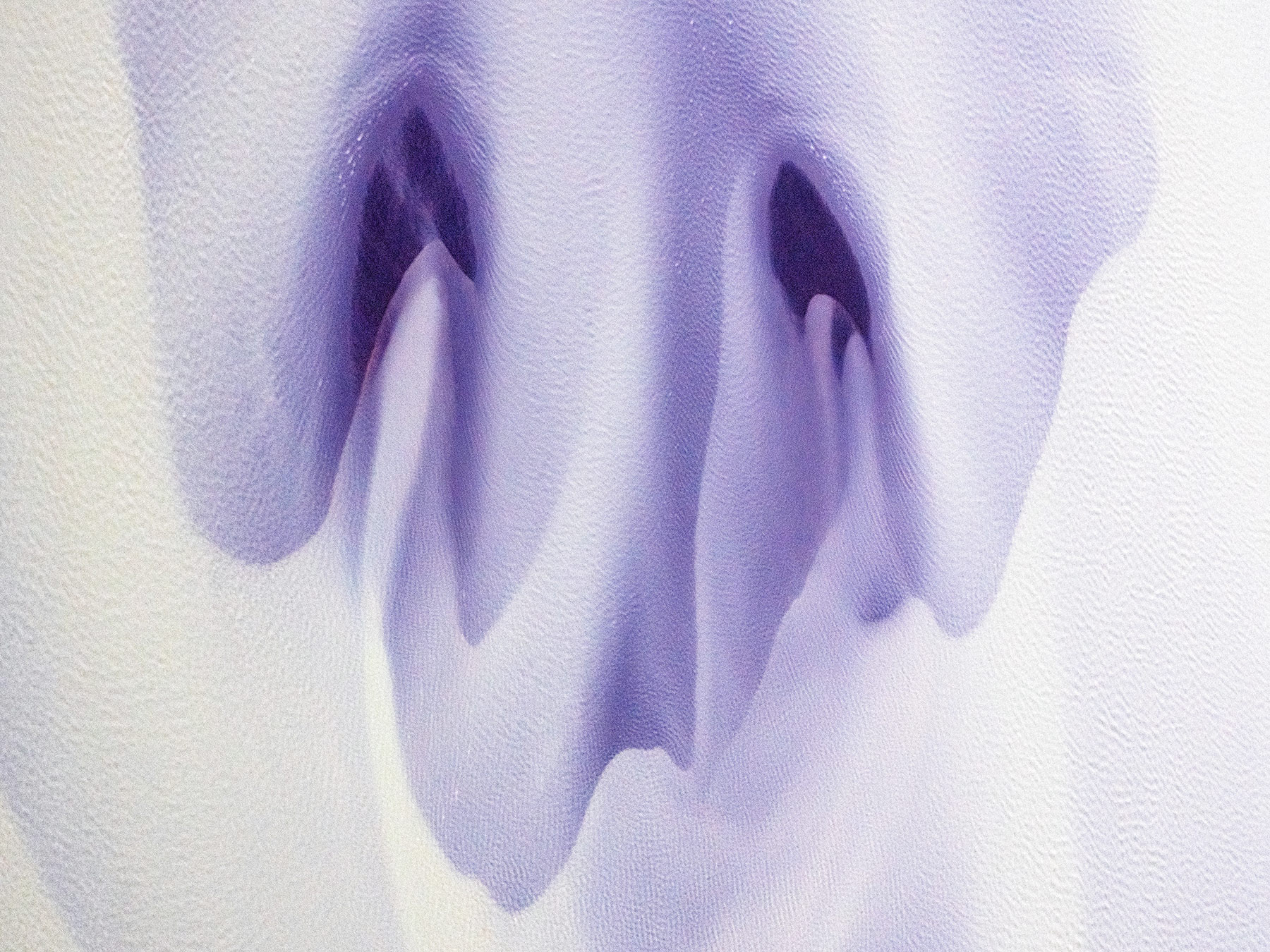
That photograph said everything I wanted to say about that place. I must have spent a good half an hour just standing in the cave, in the presence of this waterfall, because there are few things I’ve ever come across that have given me that sense of awe. It was like wandering through the forest and finding the Mona Lisa growing naturally into an old-growth tree.
But there was a tinge of sadness, because this was a fleeting moment in nature that would be gone two months later. This was December of 2023, and if I were to return to that spot, the ice would all be melted. This raises the question of what nature is saying there, because the glacial melt has accelerated over the last hundred years. It’s clearly human-caused. We’re the ones destroying these ice caves, these glaciers. And I feel like it’s nature saying, even in the face of your destruction, “I’m still beautiful. I’m still marvelous.” And that image has really stuck with me. If I’m lucky, I’ll get to see something like that again. Perhaps it won’t be an ice waterfall, but something new to me and therefore even more inspiring.
AT: What was your inspiration to donate all proceeds from this book to the nonprofit Vital Impacts?
JM: Vital Impacts is a remarkable organization founded on the belief that photography can do more than document the natural world — it can help protect it. Through powerful visual storytelling, Vital Impacts supports grassroots conservation efforts that safeguard wildlife, habitats, and the communities that coexist with them.
By leveraging print sales, exhibitions, partnerships, fellowships, and mentorship programs, the nonprofit has raised millions of dollars for community-led conservation initiatives worldwide, while cultivating a global network of photographers dedicated to environmental storytelling.
What I especially admire is that Vital Impacts doesn’t just fund conservation on the ground by working with the best photographers in the industry — it invests in the next generation of visual storytellers. Its fellowships and mentorship programs empower emerging photographers to tell conservation stories while also honing their skills.
It was this mission and these programs that made Vital Impacts the perfect partner for “Patterns.” I wanted the book to do more than share my own sense of wonder at the natural world — I wanted it to contribute to the future of environmental storytelling itself. By donating the proceeds to Vital Impacts, the book will support both urgent conservation work and the photographers whose images and stories may shape how people care for the planet in the years to come.
To see more of “Patterns: Art of the Natural World,” visit www.jonmccormack.com.
Explore this Issue