The Cost of a Changing Arctic
Few photographers working today navigate the intersection of visual storytelling and science with as much clarity and conviction as Katie Orlinsky.
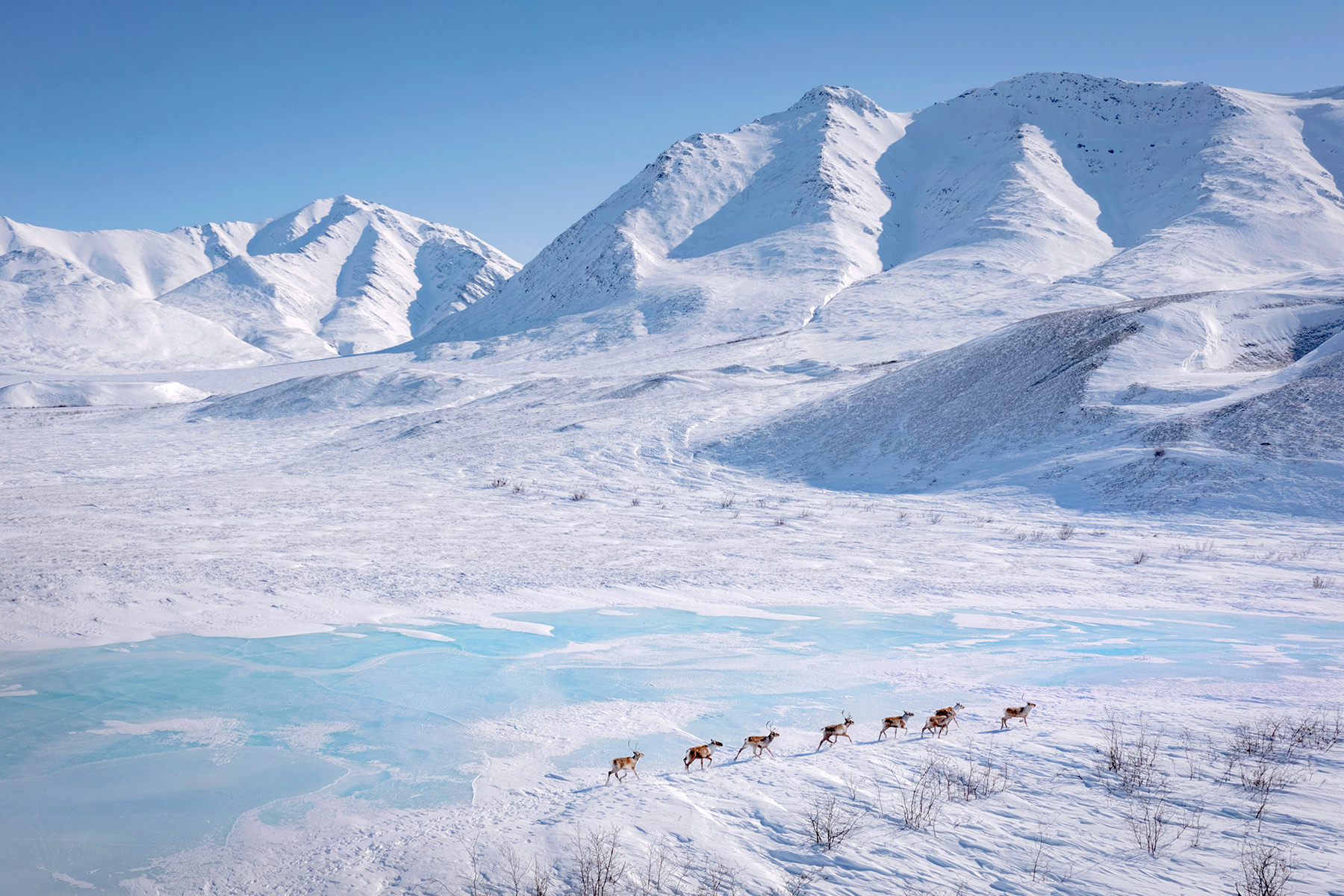
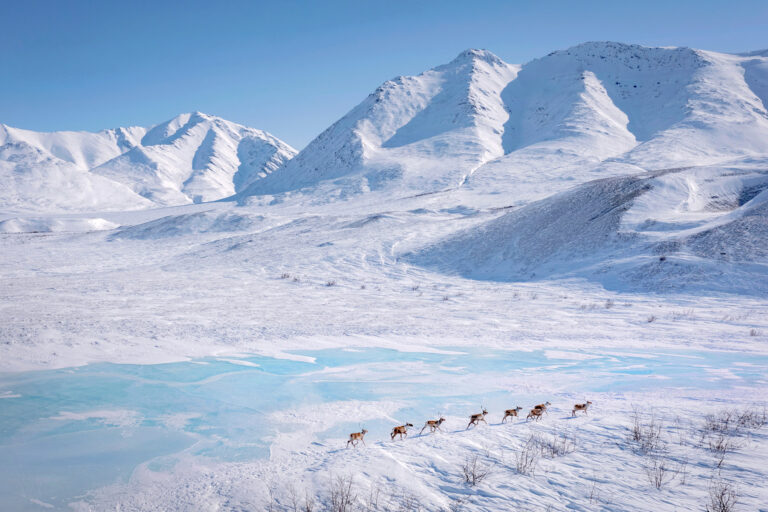
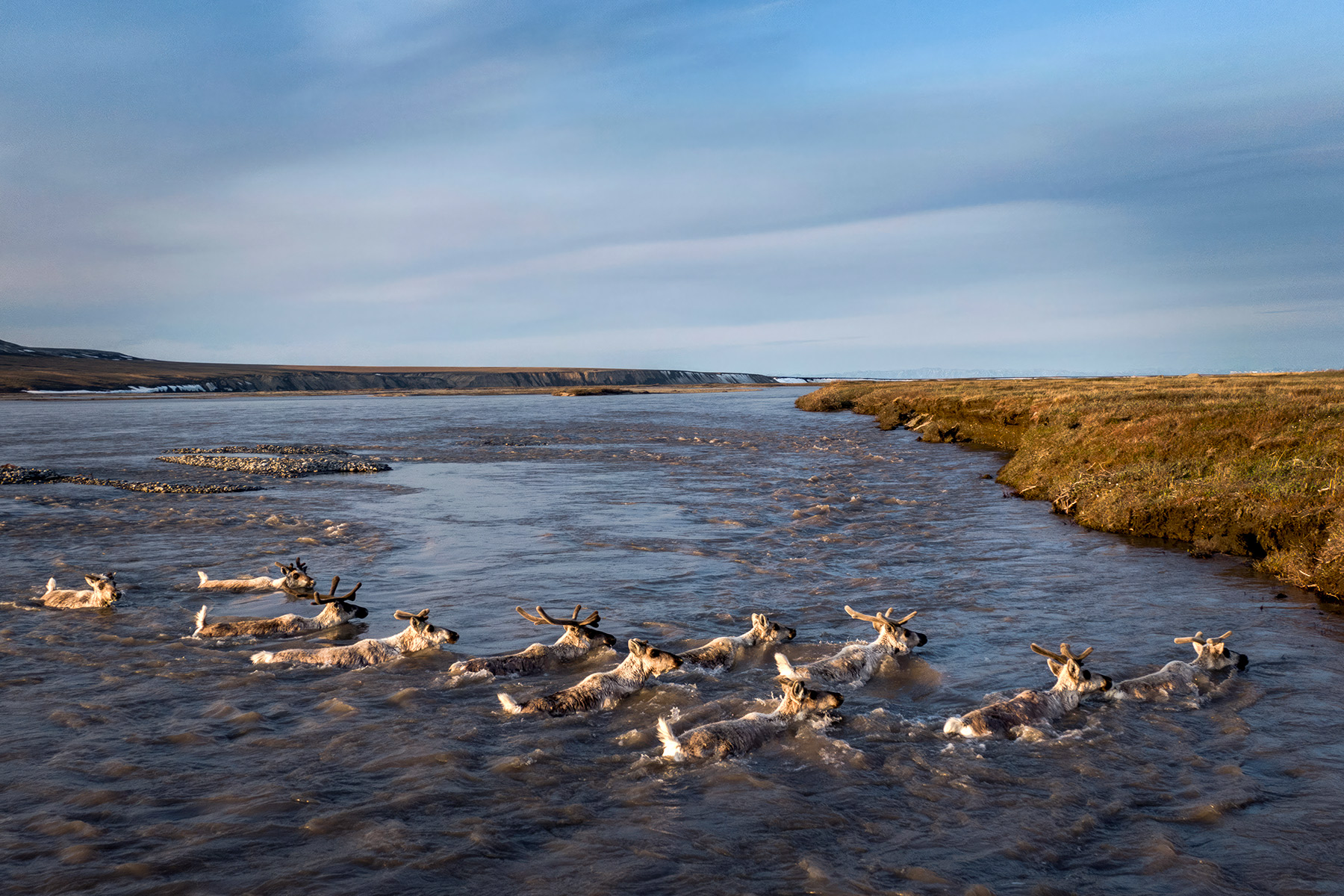
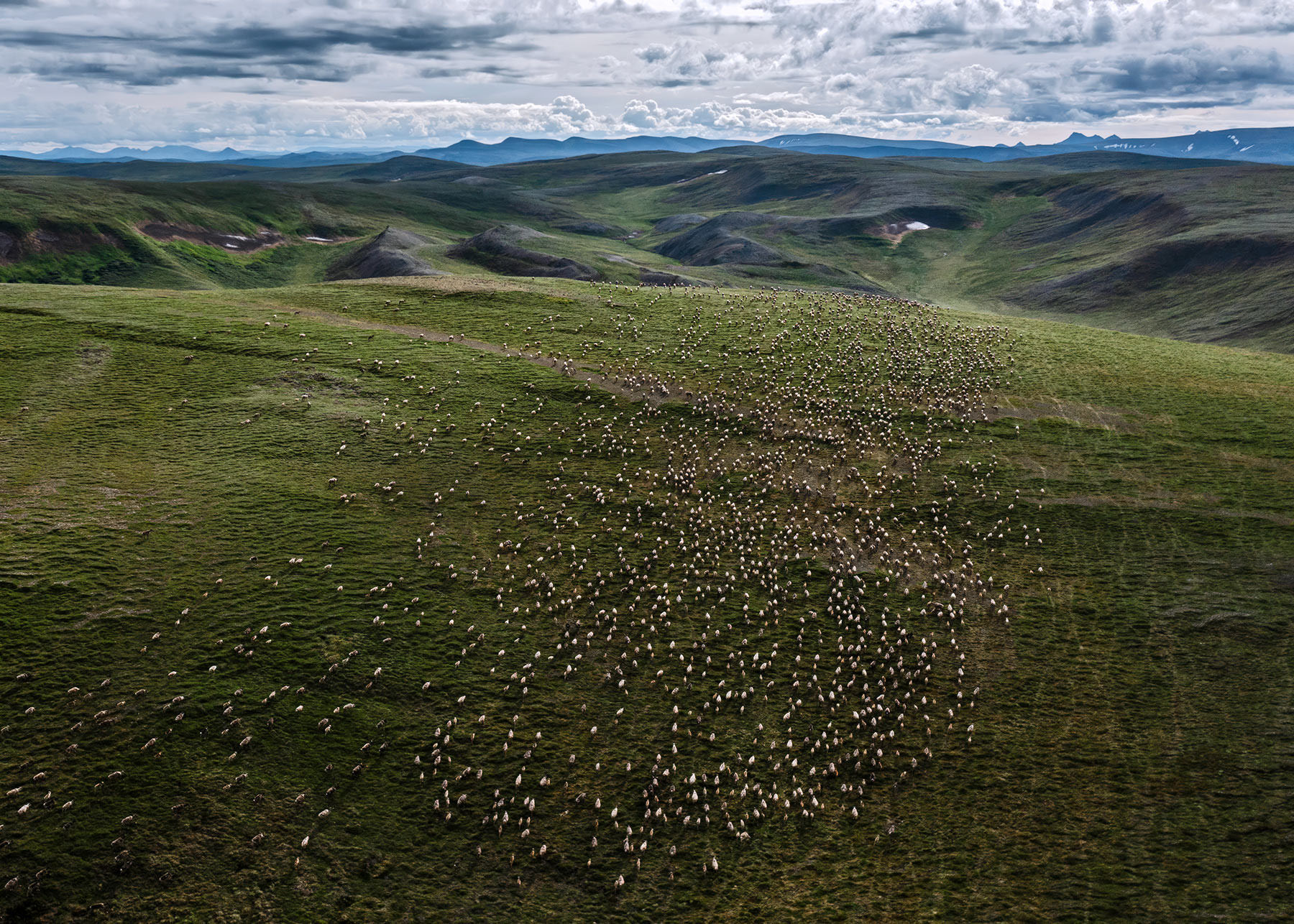
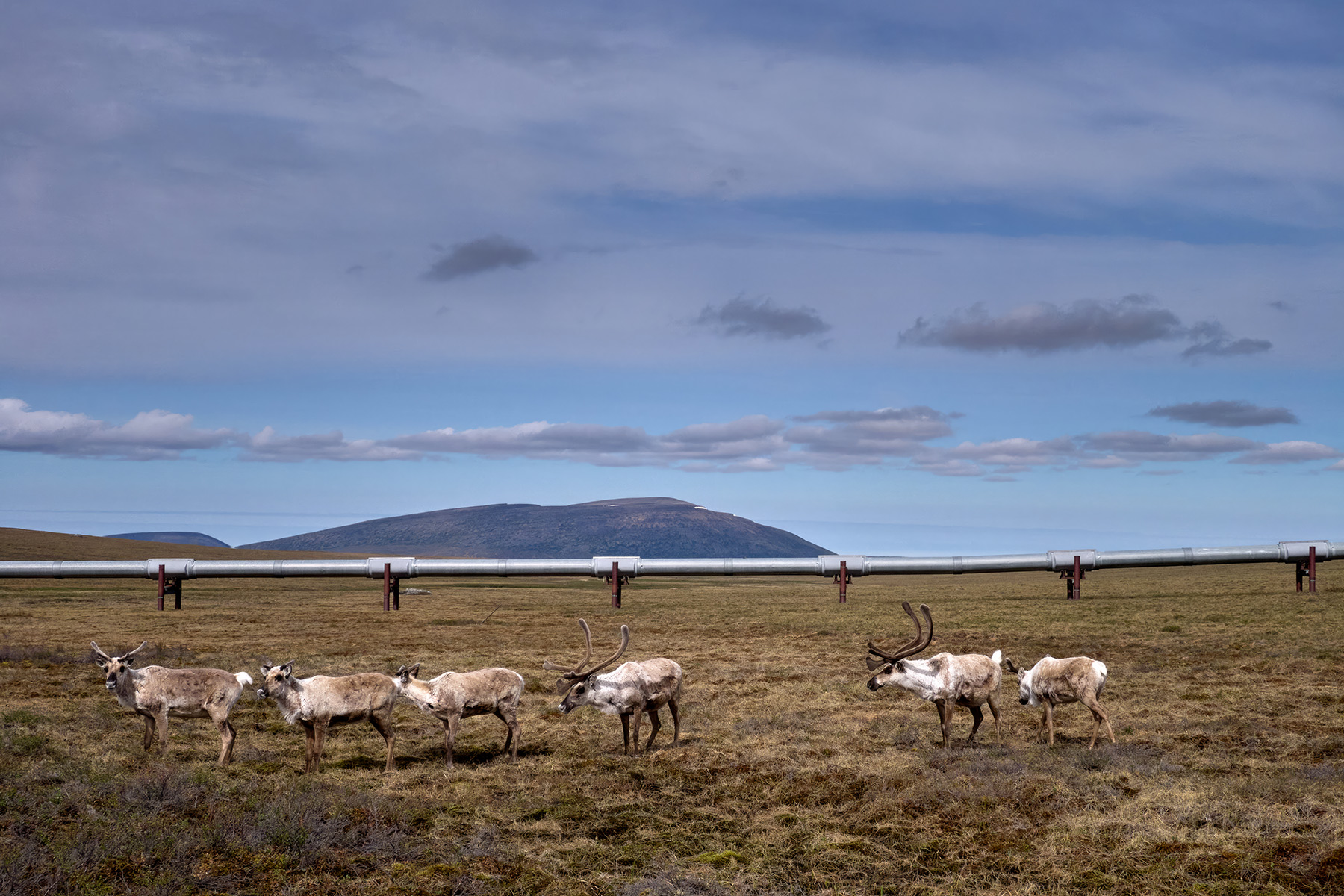
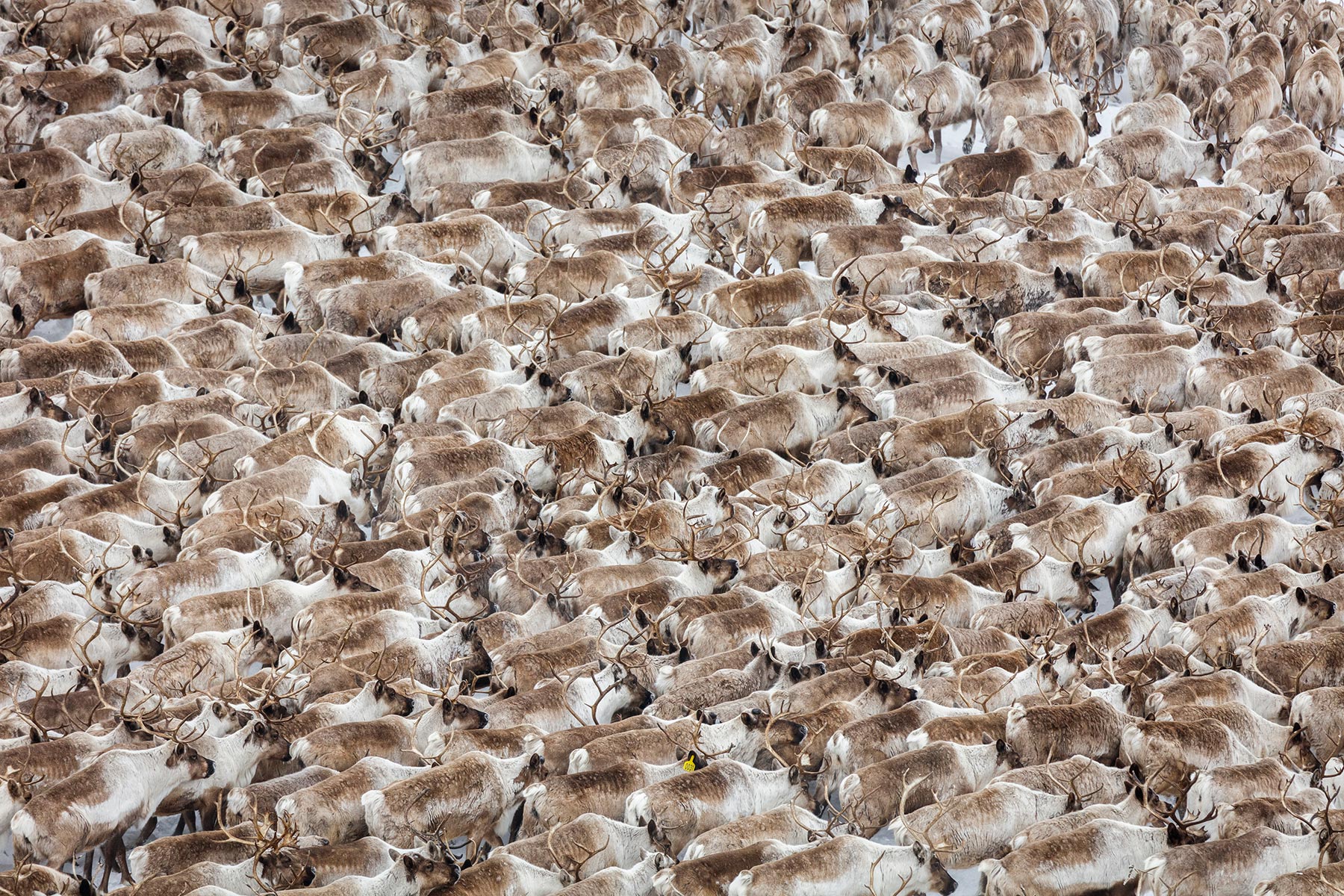
↑ Anaktuvuk Pass, Alaska, USA Caribou just outside the Nunamiut Indigenous community. Community members say that over the last decade, the caribou have only come through in the spring and can no longer be found returning in the fall like they once did. The Western Arctic Herd was once the biggest caribou herd in the world, but now their status is critical. Since 2003, the herd has gone from 500,000 animals to fewer than 150,000, with a quarter of the losses happening in just the past three years.
Images by Katie Orlinsky, Interview by Miriam Stein Battles
Few photographers working today navigate the intersection of visual storytelling and science with as much clarity and conviction as Katie Orlinsky.
A regular contributor to National Geographic, honored by World Press Photo, Pictures of the Year International, the World Photography Organization, and published worldwide, Orlinsky has earned widespread recognition for her deeply human approach to environmental reporting.
In this conversation with Wild Eye, Katie reflects on the responsibility of visual storytelling in an era defined by ecological urgency. She discusses her long-term work with Arctic caribou and documenting communities in transition due to declining caribou populations. At a time when the stakes of documenting the Arctic have never been higher, her work offers a powerful reminder that the most compelling stories are often the most personal.
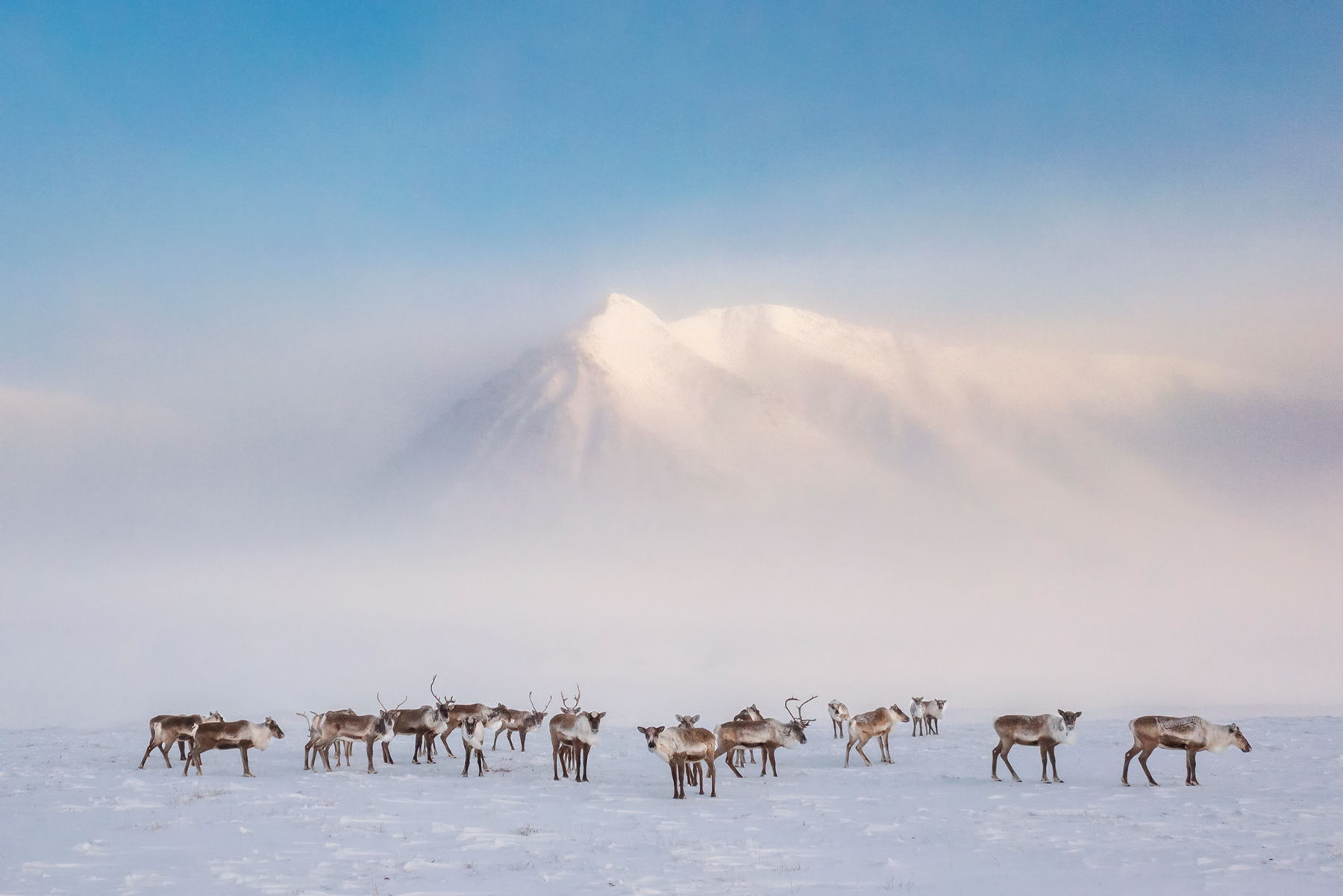
Then over the years, everyone could sense that there were fewer caribou. An absence. A thinning.
Miriam Stein Battles: Thanks for sitting down with Wild Eye, Katie. Can you tell me what initially interested you about the caribou’s story?
Katie Orlinsky: I started working in the Arctic, Alaska in particular, about a decade ago. Arctic caribou are an iconic northern species, holding the title of longest migrating land mammal in the world. But it was a species I knew so little about.
I was surprised to see how critical it was for both the ecosystem and Alaska’s Indigenous and rural communities. I initially went to Alaska to photograph a dog sled race, but the caribou fascinated me. I wanted to tell the entire story surrounding caribou living in Alaska and Canada.
MSB: Can you expand on caribou being a “critical” species?
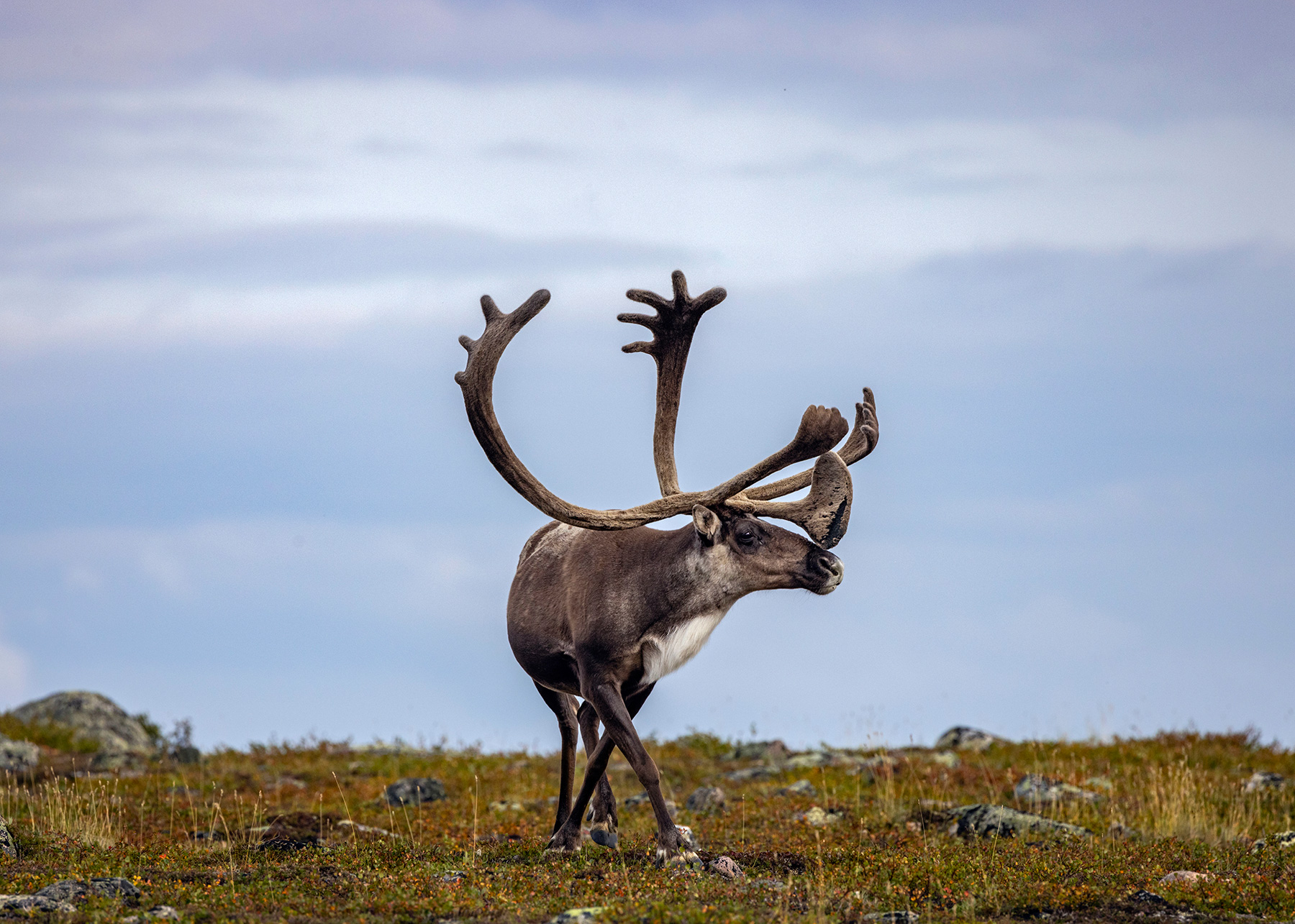
KO: Caribou are a “keystone” species because they’re essential to the Arctic ecosystem as primary grazers and a prey species. Not only do they provide food for predators like wolves and bears, but they also keep the landscape balanced by grazing on lichen and plants, reducing ground cover. They till the soil with their hooves. Their antler sheds feed rodents. They’re part of the ecology, the land itself. But caribou are also a keystone species because they’re a vital subsistence resource for Indigenous cultures. Caribou are essential for food, clothing, and culture for people native to Alaska and Canada.
MSB: And caribou are a threatened species?
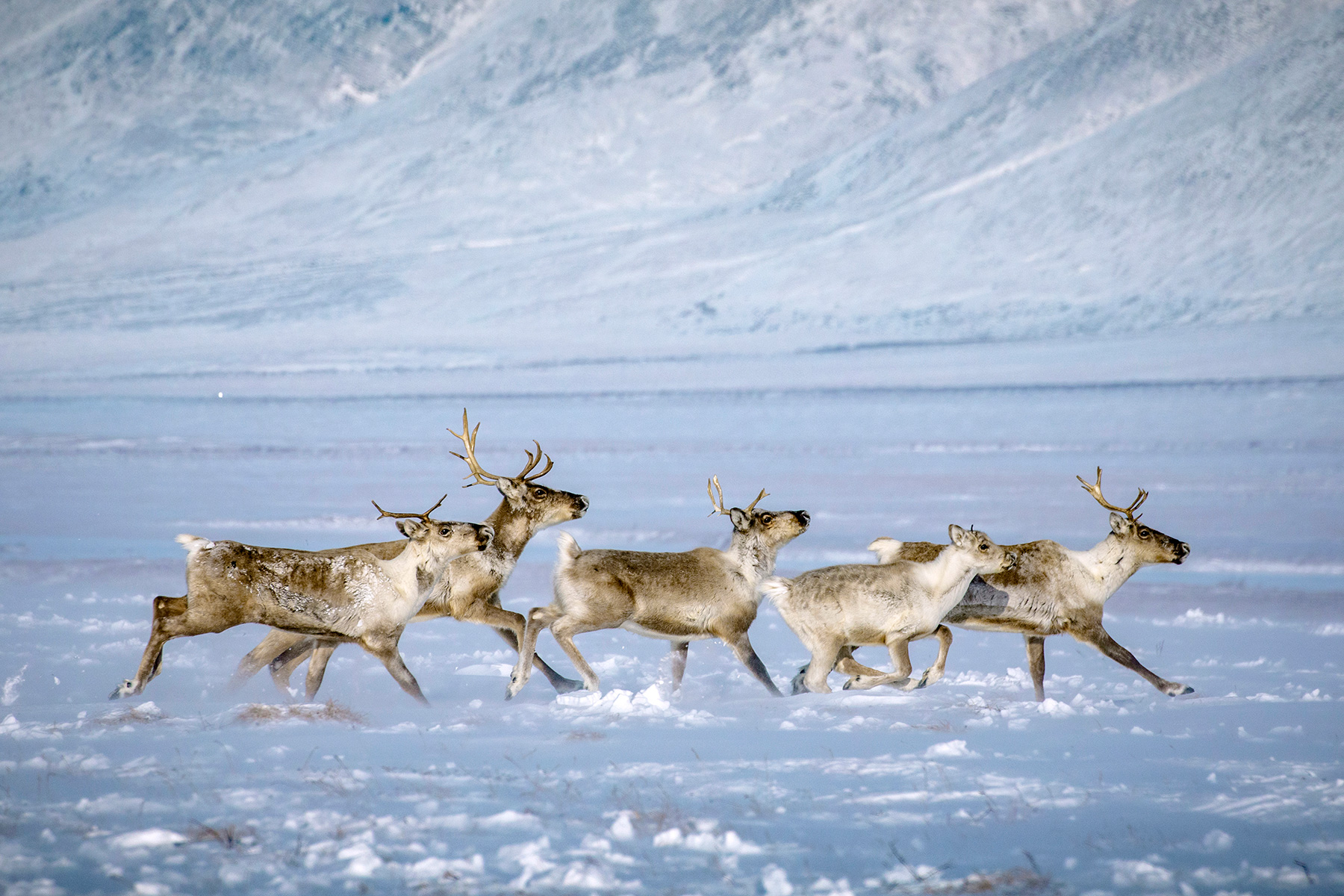
KO: While not officially declared endangered, climate change and human impact, primarily development on caribou habitat, have had a huge impact on the entire Arctic caribou population.
MSB: What’s happening to population numbers?
KO: Arctic caribou populations have declined by 65% overall during the last two to three decades. Some herds have suffered declines of up to 99% since the 1990s. That’s hundreds of thousands of individual animals gone. And elders spoke of how caribou used to be like bugs on the landscape.
MSB: In all your years of photographing caribou and the people that rely on them, was there a moment on the tundra when the scale of what’s happening really hit you or did you notice change happening over time?
KO: Almost every year I visited was the hottest summer on record, from when I started working there until now.
Seeing it with my own eyes and feeling how hot it was had an impact on me. Watching how warm the summers were and then, sadly, experiencing the warmer winters as well, was profound, knowing the caribou were in decline.
Then over the years, everyone could sense that there were fewer caribou. An absence. A thinning. When I say “fewer,” I mean by tens of thousands. I hear what scientists predict, but it’s hard to imagine that so many animals could possibly go extinct.
MSB: Did you ever expect to document something that might disappear in 20 years?
KO: I did begin my work in the Arctic with the understanding that I’d be photographing something that’s changing before our eyes. It’s important to me, as a photographer, to document history. But to think about an entire species just vanishing — that’s tragic.
MSB: What stands to be lost?
KO: There’s so much at stake. An entire species. The species that rely on caribou. The health of the tundra. A human culture that depends on caribou for survival along with the ancestral knowledge of hunting and living off caribou and off the land.
MSB: We’ve all heard about how climate change is affecting the Arctic, but how is it affecting the caribou specifically?
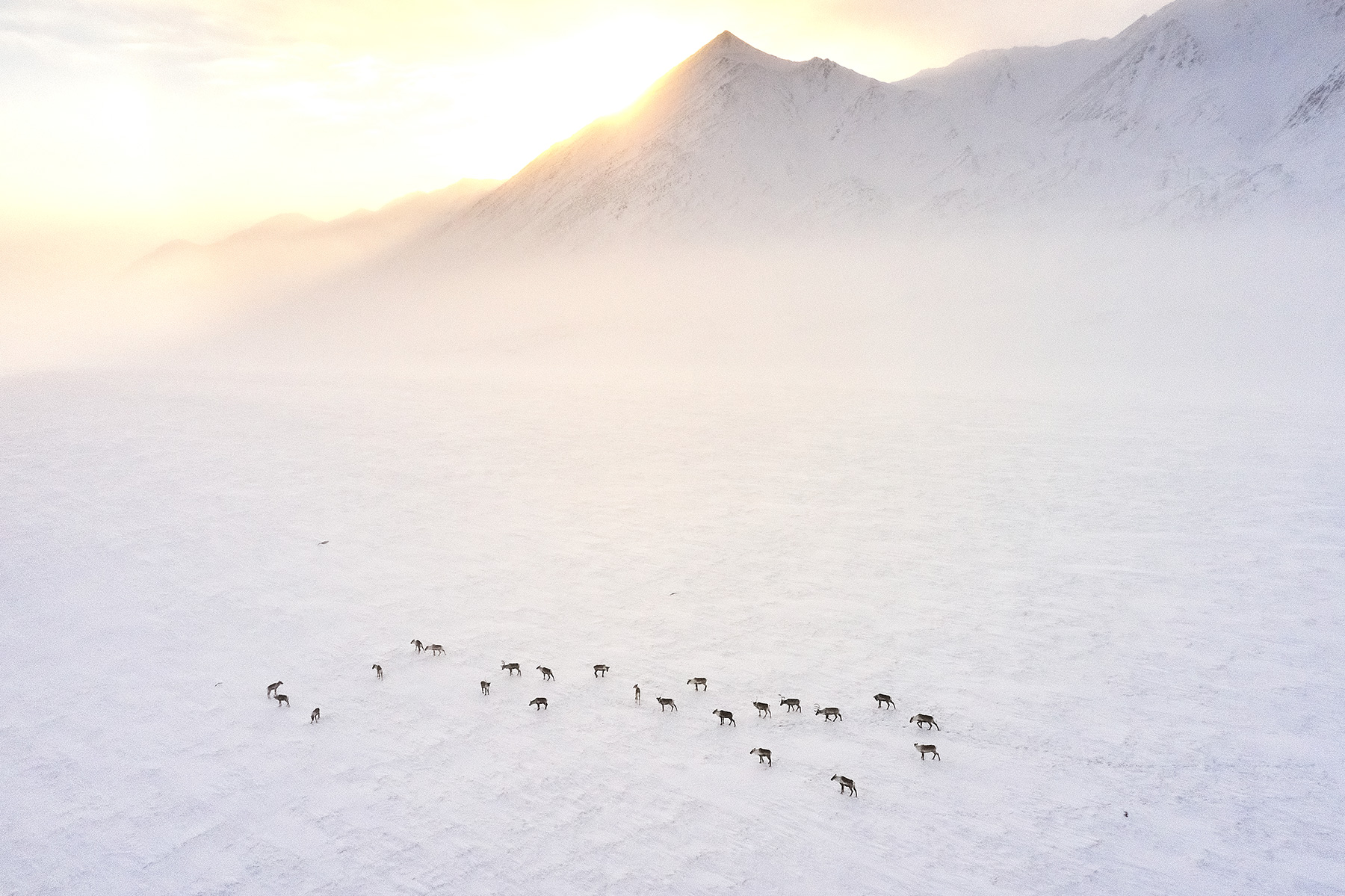
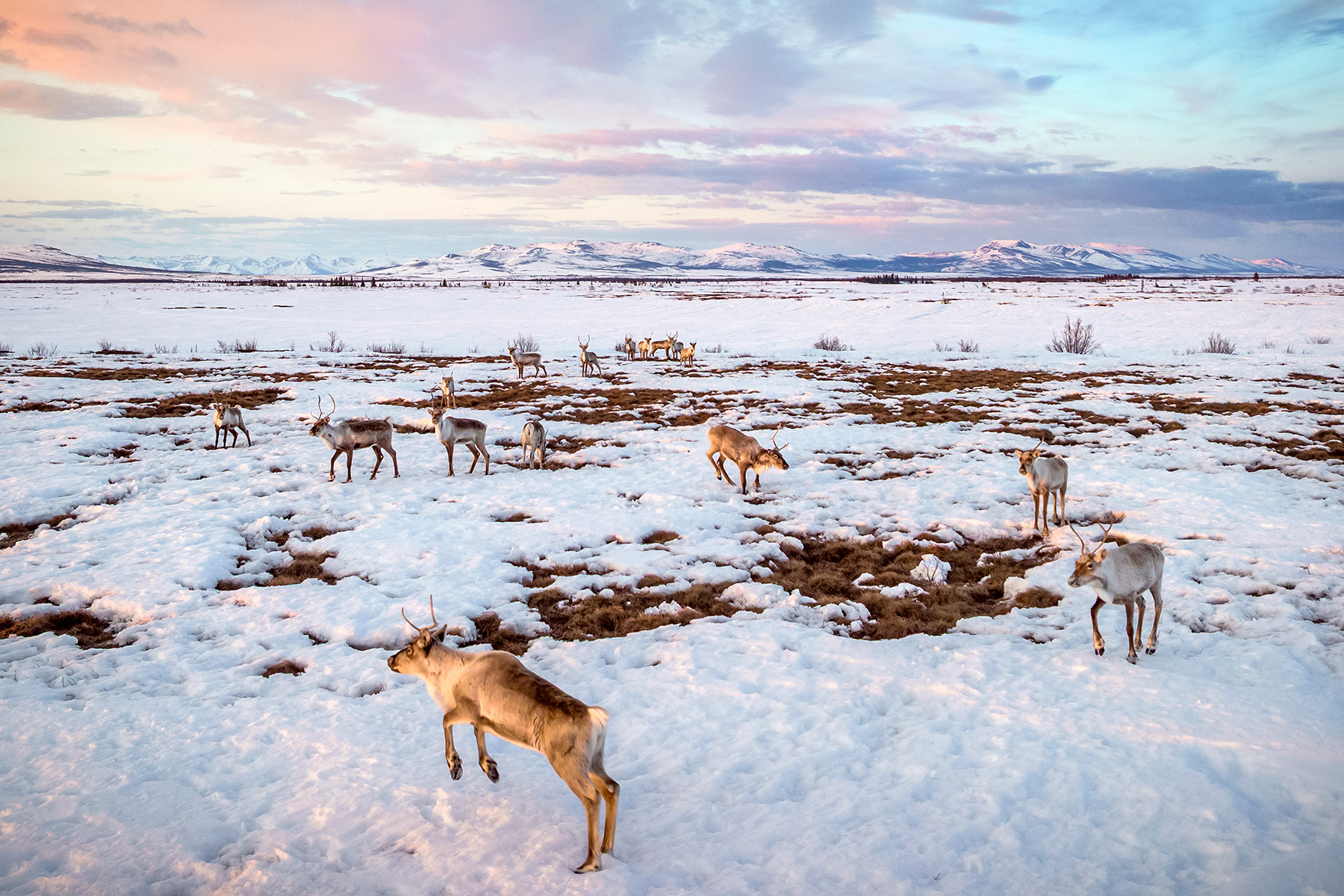
KO: Climate change has resulted in warming of the caribou’s habitat, and that affects everything. Warmer winters are producing freezing rain on top of snow, which covers the caribou’s primary winter food source, lichen. The caribou can’t get through the impenetrable ice to eat. Starvation is happening en masse.
Increased shrub growth caused by warming on the tundra is also displacing lichen. And while it might be difficult to imagine, the Arctic is experiencing more frequent wildfires, which destroy vast areas of lichen grazing range.
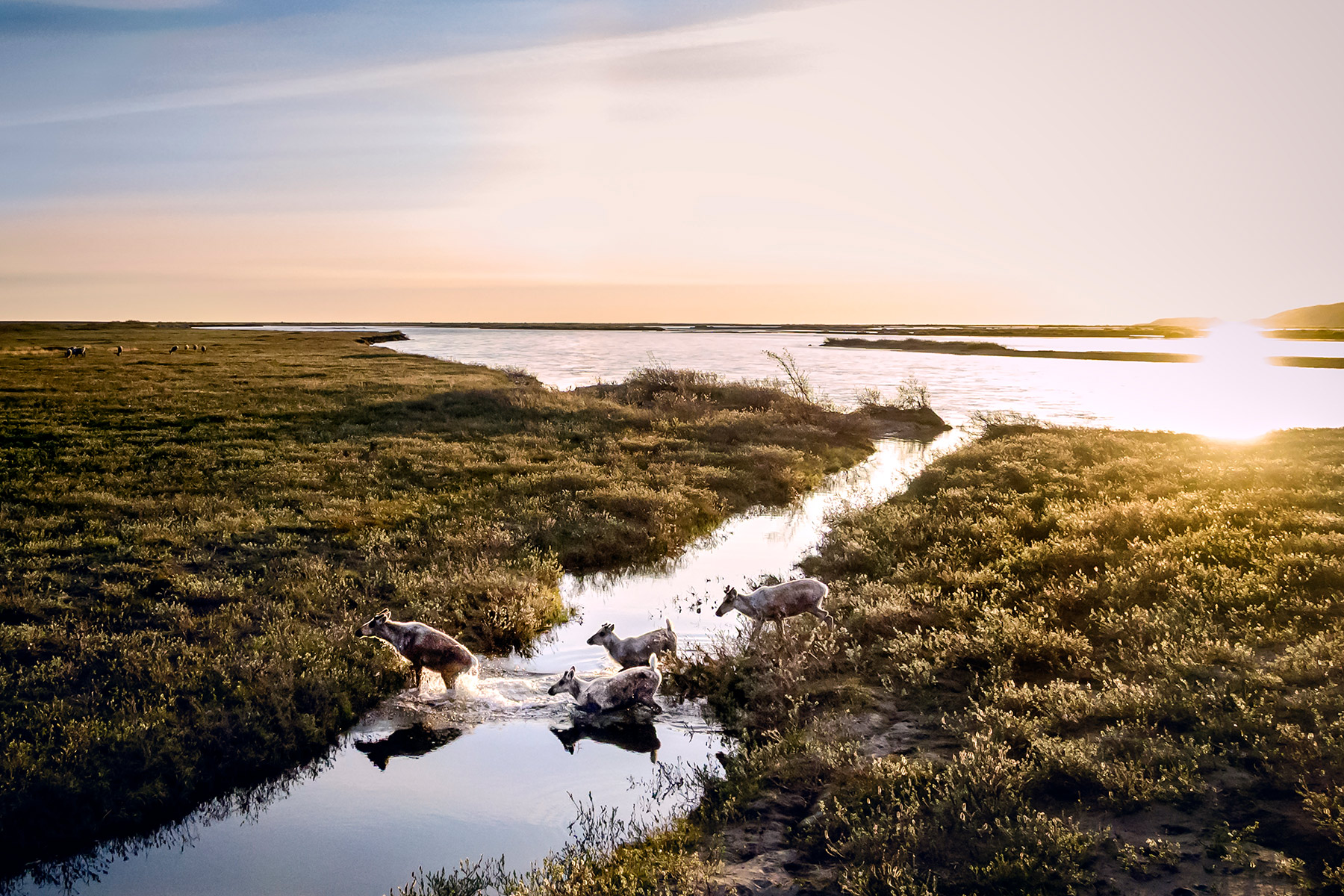
Changes aren’t just impacting food sources, but the very land and water the caribou rely on to be frozen. Changes in sea ice, which some herds walk over during migration, are restricting movement. Warmer springs can cause river crossings to become dangerous during migration, increasing the risk of calf mortality. Scientists are also examining disease as a threat. I could go on and on…
MSB: How does climate change and the loss of caribou impact the communities that rely on them as a food source?
KO: For example, spring thaw is when most of the year’s hunting takes place. So, a faster spring thaw reduces the number of days people can hunt. If there are fewer caribou to hunt, and fewer days to hunt them, the people are out of luck. Many of the caribou- dependent communities are landlocked. There are no marine species to fall back on, such as fish, seals, or even whales.
MSB: What do the caribou-dependent communities stand to lose if the herds disappear?
KO: Entire ways of life could be lost for so many different communities; the Iñupiaq, Gwich’in, and Athabascan communities in Alaska and the Inuit, Inuvialuit, Dene, and Tlicho in Canada, among others.
For the people who do rely on caribou, it’s not just a source of food and nutrition. Their entire lifestyle revolves around caribou; how they live, how they hunt, processing the animal, saving the meat, teaching their children about it in school. These communities have caribou festivals to celebrate this animal. This species.
MSB: Sounds like you spent significant time with the different communities and really got to know them.
KO: Yes, recognizing how much of an outsider I was and just trying to be as giving and as much a part of the community as possible was meaningful to me. The most important thing was my relationship with the people there, making sure it was respectful in terms of how they were represented, but also how I approached the animals.
MSB: Was there a certain part of the Indigenous communities that you found more accessible?
KO: I enjoyed teaching photography workshops for the kids in each community I visited. The rise of technology in smartphones and apps like Facebook and Instagram has created a sort of visual language.
There are so many young people in these communities that are more connected to the outside world and are interested in photography and journalism. It was always exciting to find them in the small communities. There was always one or two kids at the end who I’d give one of my extra cameras to and they’d go out shooting. They made such interesting photos because it’s their lives and how they see their world.
MSB: Let’s talk about your own photography and how you see the world. Tell me what it was like photographing caribou.
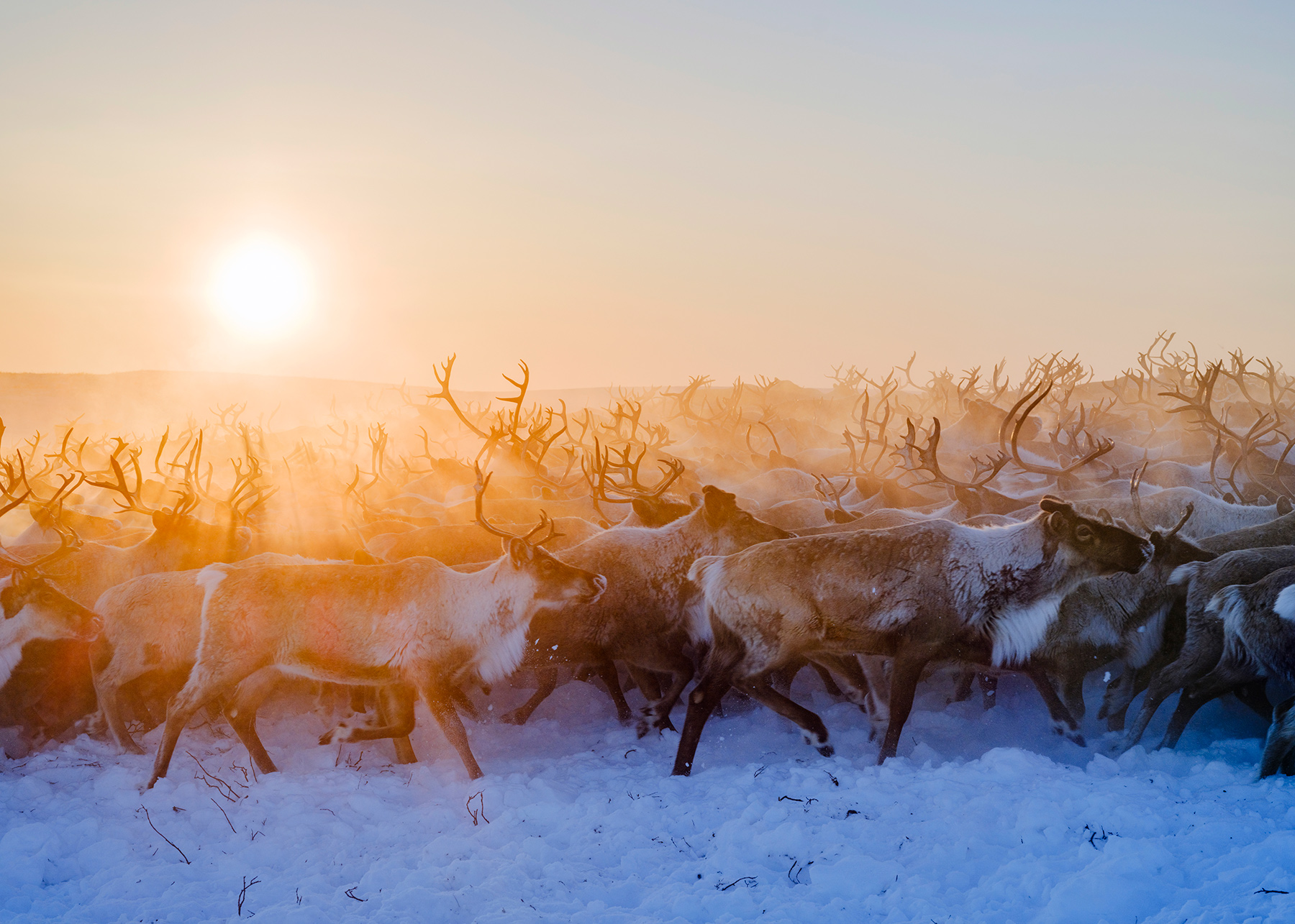
KO: Once I could locate caribou, it was exhilarating to photograph them. They walk quite fast and the landscape “hums” under the herd.
MSB: What was experiencing that like?
KO: Part of that was the sheer numbers. I’d lay on the tundra behind a rock, downwind of the caribou so they couldn’t smell me and get spooked. I’d say 30,000 animals walked by me and yes, there’s an incredible sound as they passed by.
MSB: Were they running from the mosquitoes?
KO: No, that’s funny. The mosquitoes are relentless and do drive them along, but the caribou walk unless a predator is chasing the herd or a singled-out calf. Then they really run.
MSB: How long did it take for an entire herd to pass you?
KO: It varied. It also depends on where they’re going and how directed they are. I’d be down on my belly, surrounded by caribou. They’d just calmly go on their way. They might stop and graze and you think they’re going to last forever. And then all a sudden they’re gone. And you realize how fast they do move.
MSB: How do they know where they’re going? Do they have memories and migrate like elephants?
KO: More than you’d imagine. The herd has a bit of a formation. The females who haven’t just had calves lead the way. They’re old. They’re the smartest. They know where to go. They know the best routes because they’ve done this year after year and have ancestral knowledge. They also have magnetic north, as they say, an internal compass just like elephant matriarchs do.
Then the females with the calves will come, and then the males head up the rear. This is a deliberate formation to keep pregnant females and calves safe from wolf and bear predation.
MSB: What were challenges in photographing the caribou?
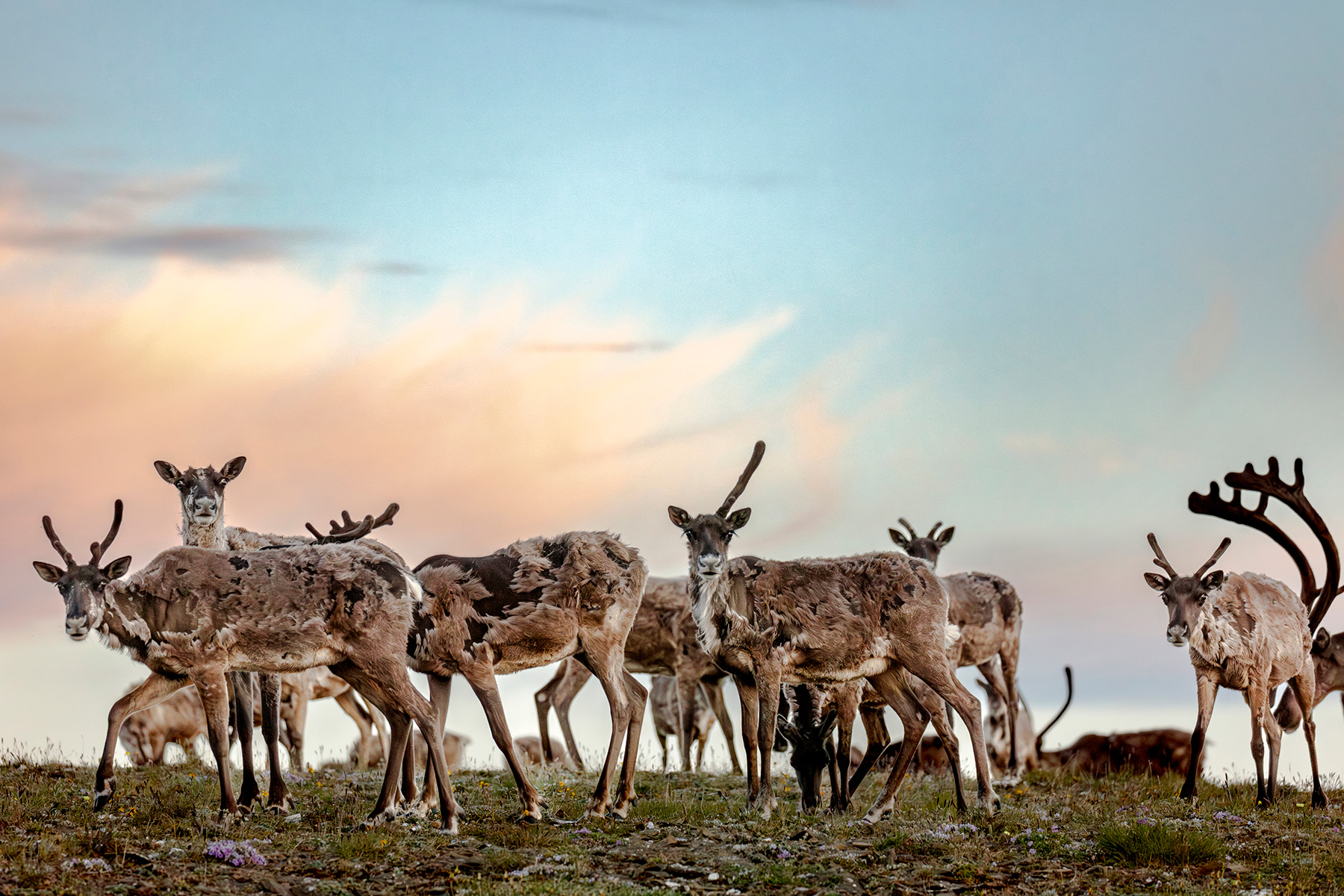
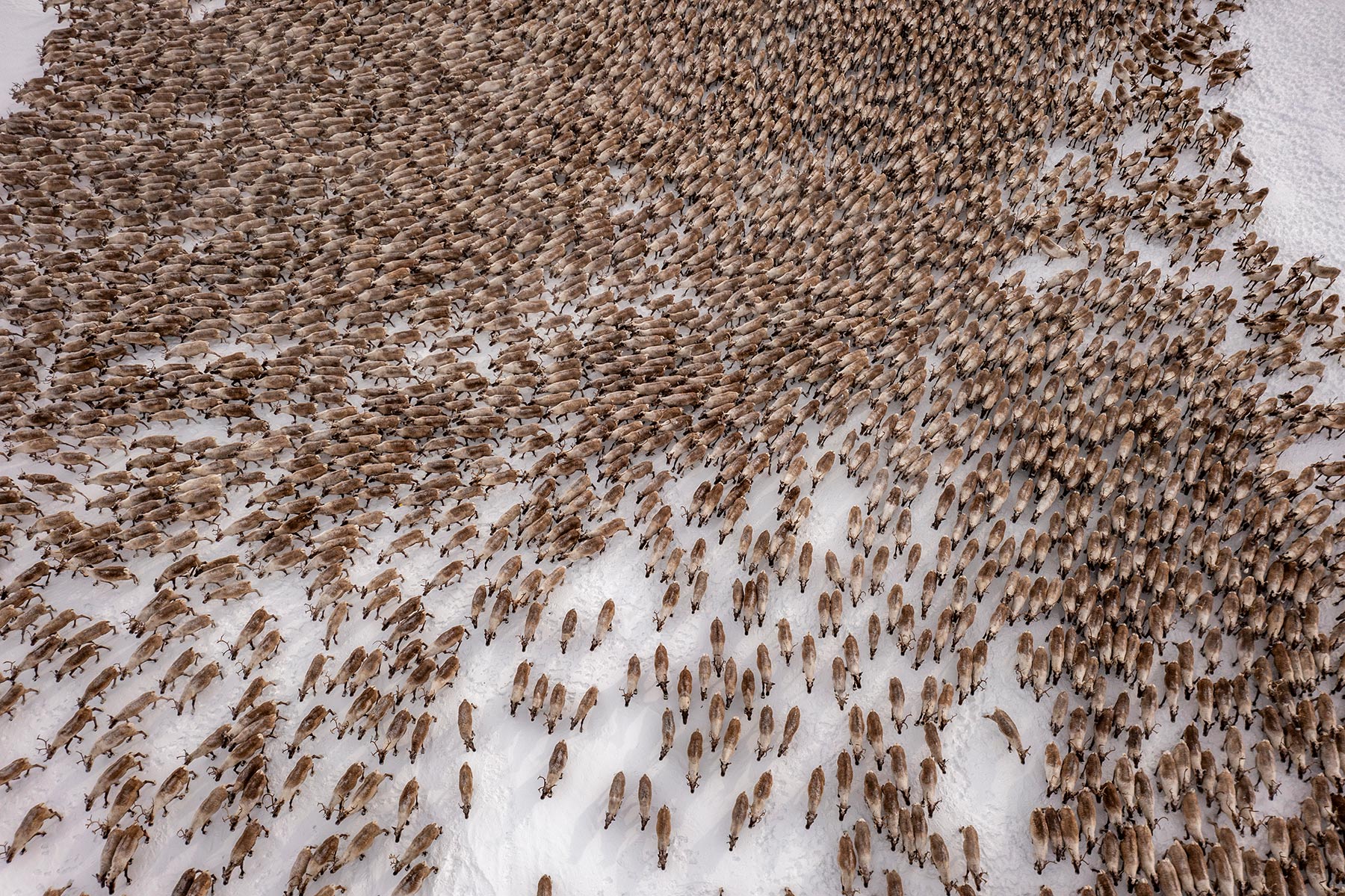
KO: For my National Geographic feature, I needed a complete and varied set of images. Caribou are a large herd animal, so to tell their story, I needed photos of them in all their epic herd glory. I needed to photograph the aggregation, which is when tens of thousands of animals come together around late August in high-wind areas to avoid mosquitoes. This is the culmination of their migration. They’ve all met up after spring. They’ve migrated to their birthing grounds. They’ve had the calves and now they’re moving on toward higher ground like they do every year.
One year, I went and had a plane and there were flight and guide issues. There were just a lot of problems simply finding the animals and getting the photos. When you do locate the herd, they’re not just surrounding you and posing for pictures. They can get away from you! I did have a drone, and it was incredibly helpful.
I found the aggregation after one year of failure. I went back by myself and thought, “I’m going to get dropped off. I’m just going to do this alone so I can avoid relying on others.” So, I went out with the pilot, and I managed to find the right location to get dropped off at and then hiked alongside the caribou.
I followed the migrating herd for days. And I was camping and photographing and not sleeping, kind of losing my mind, but it was truly wild in every sense. It was an incredible experience and I love that; kind of losing my mind for an incredible experience.
MSB: Well, your drone images are beautiful, so congrats on locating the caribou and nailing the drone photos. Aside from publishing the National Geographic feature, are you happy with the results and what you’ve accomplished?
KO: As a photographer, I hope that my work tells the story and can raise awareness. And I want to bring an accurate picture to viewers of what’s happening to our planet and how it affects not just wildlife, but the people too. An entire species and the cultures that live off it are at stake.
Explore this Issue