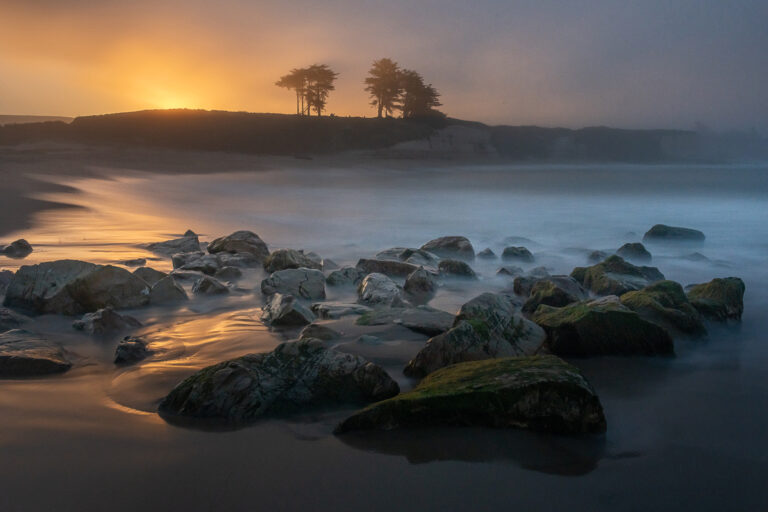
Why Your Landscape Photos Are Out of Focus — And How to Fix It
Galen Rowell once said, “You only get one sunrise and one sunset a day, and you only get so many days on the planet. A good photographer does the math and doesn’t waste either.”
As nature photographers, it’s easy to fall into repetitive behaviors. You might tell yourself that you can only take nature photos somewhere exotic, rather than your backyard. You might visit the same favorite spots repeatedly. Or fall in love with one subject and focus on it to the exclusion of other natural subjects.
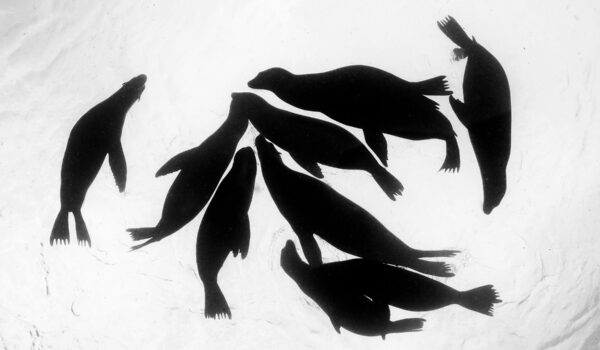
Let’s be real—underwater photography can feel like a whole production sometimes. But what if I told you it doesn’t have to be? By ditching underwater strobes and relying on the natural light show happening right above you, you can create stunning images with a fraction of the effort.
Seven-tenths of our planet is covered by water, and for many nature photographers, the mysteries beneath the surface are irresistibly compelling. This intrigue led me to explore the world’s oceans with my camera.
What are the most important camera settings for wildlife photography? Well, of course, it depends on who you ask. But if it’s wildlife photographer Evan Watts you’re asking, he’d say there are three key settings every photographer should know.
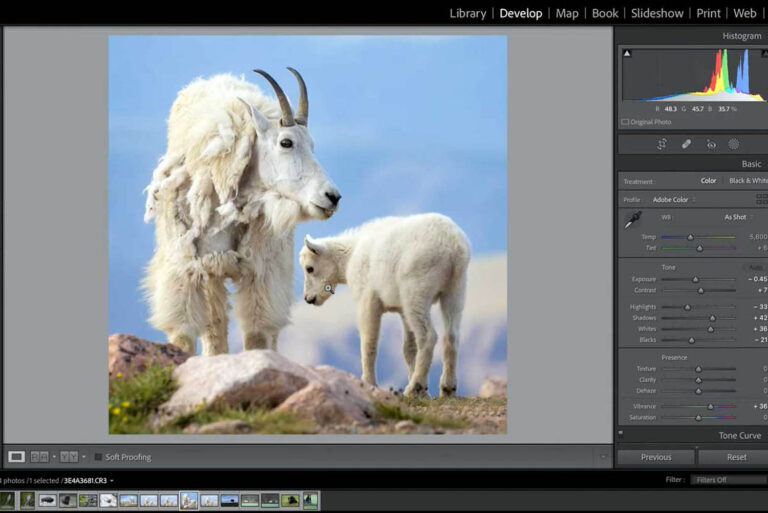
In this tutorial, I explain three easy techniques for adding vignettes to landscape photos in Lightroom Classic. At the bottom of this story, watch my video showing these vignetting tips in action along with a demonstration of how to add grain effects to your outdoor and nature photos in Lightroom Classic.
Every photographer starts somewhere, often with limited resources. Most of us begin with a single camera and lens, and whether we realize it or not, our limitations foster creativity.
I think there’s a particular mindset among underwater photographers that we constantly want to dive deeper. Perhaps this is due to having depth limits set in diving certifications, thus continually piquing our curiosity to what may be found just out of sight below.
Bears have an undeniable ability to captivate us. Whether it’s the powerful photography of a bear in a National Geographic spread or the brief thrill of spotting one driving in the mountains, these creatures command our attention with a unique, primal allure.
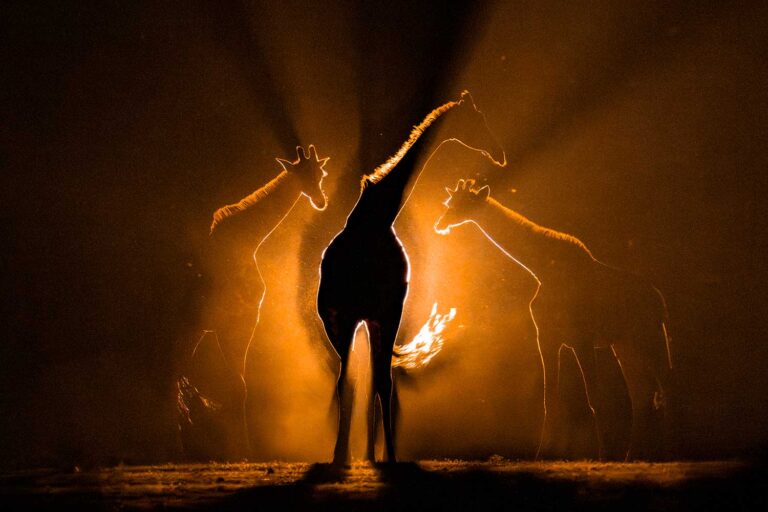
Wildlife photography can be a deeply rewarding pursuit, but capturing images that go beyond mere documentation requires creativity and intentionality.
A lifetime of experience on this planet leads us to believe that a clear sky is always blue. Certainly the clear daytime sky is always some shade of blue. As day ebbs into night and our color vision fades away, the last color we see in the sky directly above us is blue; as night gives way to dawn, the first sky color we see above us is once again blue.
Outside of great light, a solid composition might be the single most important aspect of a great landscape image. If you were to ask one hundred landscape photographers what area of their own photography they’d like to improve upon, I bet the vast majority of them would say composition.
Get Annual Subscription