5 Reasons Why Earth Day Matters More Than Ever
A celebration of beauty, resilience, and the power of connection through nature.
Galen Rowell once said, “You only get one sunrise and one sunset a day, and you only get so many days on the planet. A good photographer does the math and doesn’t waste either.”
As nature photographers, it’s easy to fall into repetitive behaviors. You might tell yourself that you can only take nature photos somewhere exotic, rather than your backyard. You might visit the same favorite spots repeatedly. Or fall in love with one subject and focus on it to the exclusion of other natural subjects.
Photography workshops offer a unique opportunity to refine your photo skills, explore stunning locations, and connect with like-minded creatives. We spoke with Wild Eye’s Jason Bradley, a seasoned photography expedition leader with 15 years of experience, to discuss why he believes workshops are an invaluable experience for photographers.
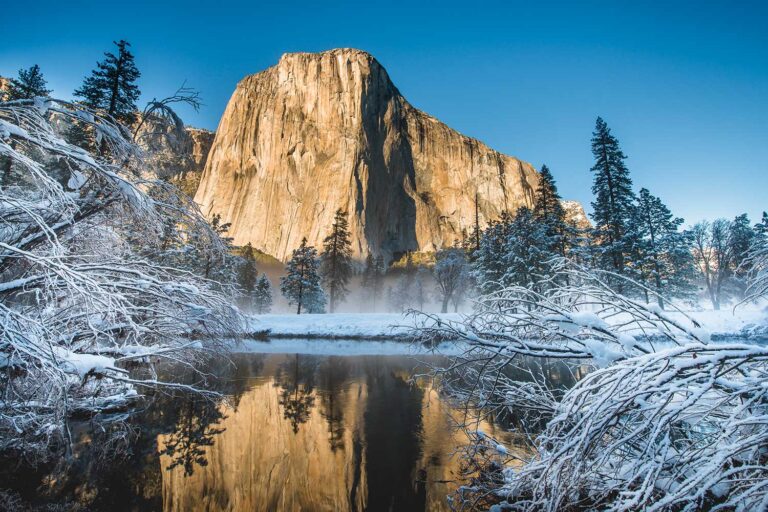
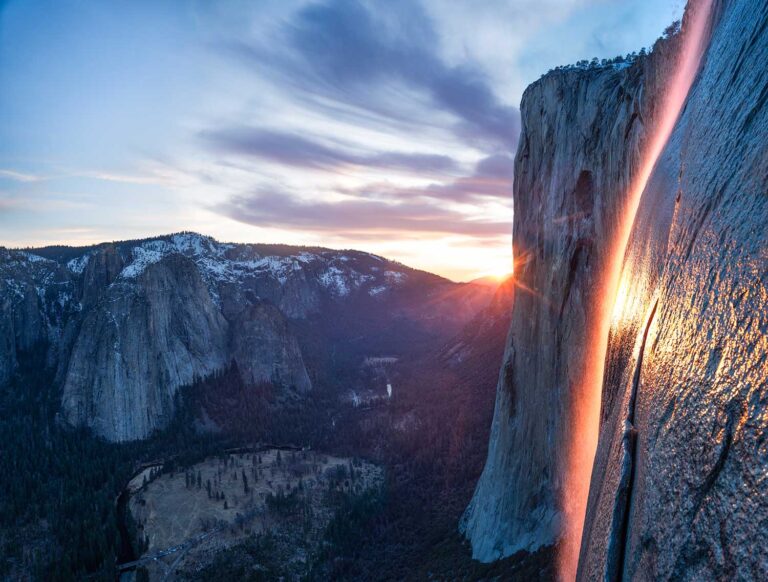
Every visit to Yosemite since my first, I’ve looked up at the waterfalls and yearned to be closer. I’ve always had a drive to not only observe nature but to interact with it, to feel it. And, of course, to photograph it.
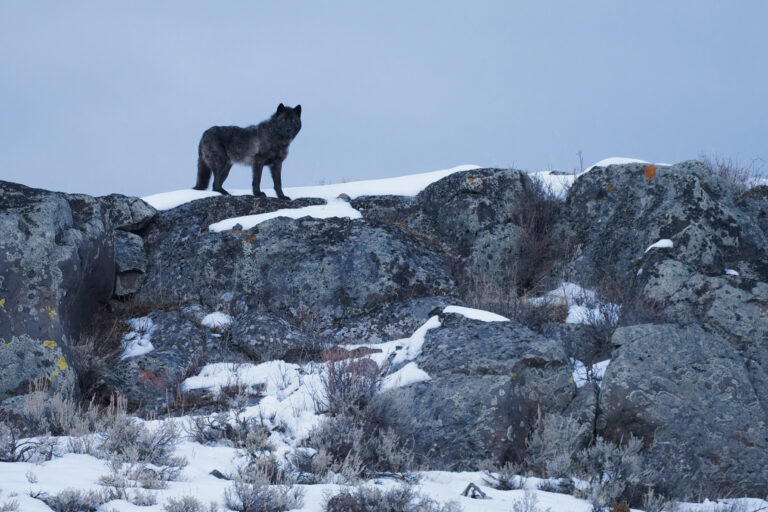
Winter in Yellowstone National Park can be really cold. So, you have to plan ahead to make the most of your Yellowstone winter adventure. I’ve lived next to this inspirational destination for over 30+ years, and winter is my favorite season for photography in the park.
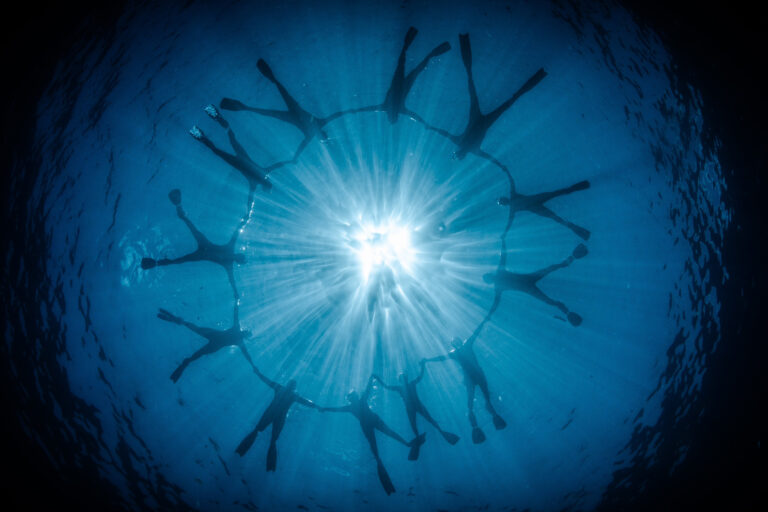
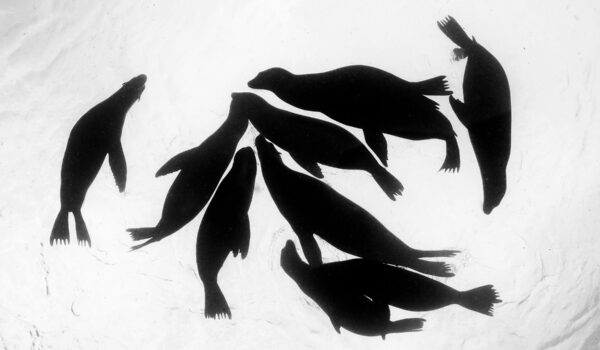
Let’s be real—underwater photography can feel like a whole production sometimes. But what if I told you it doesn’t have to be? By ditching underwater strobes and relying on the natural light show happening right above you, you can create stunning images with a fraction of the effort.
Wildlife photography can be a deeply rewarding pursuit, but capturing images that go beyond mere documentation requires creativity and intentionality.
The winners of the Ocean Photographer of the Year 2024 were recently announced in London, revealing stunning images including the overall winner (above) by Rafael Fernandez Caballero, which shows a Bryde’s whale about to engulf a swarm of sardines. In Caballero’s winning image, the sardines are forming what is known as a “baitball,” which is a defensive tactic to ward off predators.
As we threaded through the Beagle Channel, I wondered if this icy continent could live up to the lofty expectations I’d formed since childhood. Growing up reading the tales of Captain Robert Falcon Scott, Roald Amundsen, and Ernest Shackleton, Antarctica became a place of myth in my mind. Would it be as awe-inspiring as those stories made it seem?
Those who eschew social media may not have noticed the deluge of AI-generated landscape and nature images to be found online these days. Guided by prompts provided by the human “creator” that describe what the image content and style should be, these AI-spawned images are often created with the intent of producing maximum impact, “wow-factor,” and generation of “likes and shares,” though the scenes they depict commonly depart from the realistically plausible or possible in significant ways.
There’s no getting around it: wildlife photography is a demanding genre for photography equipment. Whether photographing lions in the Serengeti, penguins in Antarctica, or even just squirrels in the backyard, capturing wildlife typically puts photographers in situations with rough shooting conditions.
Get Annual Subscription